
Tinnitus remains one of the most pervasive and misunderstood auditory conditions—challenging both patients and the healthcare professionals who guide them. For clinicians and care managers, the struggle often lies not in recognizing the complaint, but in knowing how to wield the full spectrum of modern tinnitus management strategies to genuinely make a difference.
Enter Dr. Charles Wasserman of Sound Advice Audiology, a recognized leader in personalized auditory care. Drawing on extensive expertise and a relentless commitment to innovation, Dr. Wasserman dismantles the myths and uncovers practical paths forward—especially valuable for Primary Care Physicians, ENT Specialists, Geriatric Care Managers, Occupational Health Directors, and Hearing Aid Dispensers who are dedicated to empowering their patients. Today, we dive into the principles, clinical distinctions, and effective tools that elevate tinnitus management from “helplessness” to hope.
Dr. Charles Wasserman Unveils Tinnitus Management Strategies for Clinicians
“The biggest misconception is that there's nothing I can do about my tinnitus.”
– Dr. Charles Wasserman
This singular, persistent belief—shared by many patients and even some clinicians—stands as the largest barrier to effective tinnitus care. Dr. Wasserman, through his work at Sound Advice Audiology, emphasizes that feelings of helplessness do not reflect the current reality of tinnitus treatment. In fact, understanding and leveraging advances in both device-based and therapeutic approaches can dramatically change outcomes for those suffering from tinnitus.
According to Dr. Wasserman, the primary task for healthcare professionals is to actively correct misconceptions, demonstrating to patients that tinnitus management strategies are not only available but are measurably effective. This foundation of hope must precede the practical application of technologies and therapies.

Differentiating Treatment: Hearing Loss vs. No Hearing Loss in Tinnitus Management
“People who have tinnitus fall into 2 major categories, those with hearing loss and those without. For people with hearing loss, hearing devices very often help get rid of the tinnitus sound.”
– Dr. Charles Wasserman
A key “aha moment” for providers is the recognition that tinnitus management strategies vary depending on the presence or absence of hearing loss. Dr. Wasserman underscores that understanding this critical distinction shapes every subsequent clinical decision. For individuals with measurable hearing loss, the pathway is clear: leveraging advanced hearing devices frequently leads to rapid and remarkable relief from the relentless noise of tinnitus. Data and clinical experience agree—treating the hearing deficit itself can collapse the perception of tinnitus, liberating many patients from a cycle of frustration.
Conversely, patients who experience tinnitus without any detectable hearing impairment require a more nuanced approach. For them, success lies in strategic combinations of behavioral therapy, biofeedback, and stress-control protocols. According to Dr. Wasserman, these tailored methods are designed to directly reduce tinnitus severity, empowering patients with tools for self-regulation and sustained relief.

Immediate and Effective Hearing Device Solutions for Tinnitus
“For people who have hearing loss, very often, we will know within a day or so whether hearing devices will help their tinnitus.”
– Dr. Charles Wasserman
One of the most powerful revelations, Dr. Wasserman reveals, is the near-immediacy with which hearing devices can transform tinnitus symptoms for those with hearing loss. Within just a day or two of initiating use, many patients experience not just a reduction in their tinnitus volume, but a renewed sense of control and optimism about their hearing health. This rapid response leads to lasting engagement with treatment and often rekindles a patient’s belief in the possibility of a “quieter life. ”
Of course, not every patient will find complete relief through devices alone. For some, tinnitus persists despite optimized amplification. In these cases, Dr. Wasserman emphasizes the value of augmenting device-based solutions with therapeutic options—mirroring protocols typically reserved for those without hearing loss. By remaining agile and patient-centered, clinicians can pivot strategies without delay, ensuring every patient receives individualized care that is both evidence-based and compassionate.
Behavioral and Biofeedback Therapies: Managing Tinnitus Without Hearing Loss
While technology provides breakthroughs for many, those without hearing loss are not left without remedy. Dr. Wasserman shares that behavioral therapy and biofeedback have emerged as cornerstone tinnitus management strategies, with a proven record of improving patients’ quality of life.
This approach is robustly supported by clinical experience and behavioral science. By instilling patients with the skills to recognize and modulate the stress and anxiety tied to tinnitus, Dr. Wasserman says professionals can spark profound changes in symptom severity and emotional well-being.
Reducing Stress and Regaining Control Through Cognitive Behavioral Therapy

Dr. Wasserman is adamant: stress and helplessness are both the catalyst and amplifier for tinnitus severity. Through cognitive behavioral therapy (CBT), clinicians equip patients with methods to disrupt this feedback loop. These structured sessions, often conducted with licensed counselors, offer practical “tools and tricks”—including reframing negative beliefs, practicing moment-to-moment stress reduction, and developing resilience against sound-triggered anxiety.
According to Dr. Wasserman, CBT empowers patients to distinguish the sound of tinnitus from its emotional impact, transforming it from an uncontrollable force to a manageable background noise. This mental shift not only lightens the perceived burden of tinnitus but also enhances patient confidence in navigating future episodes. By confronting both the physiological and psychological facets of tinnitus, clinicians can deliver a truly comprehensive intervention.
Biofeedback Therapy: Harnessing Physiological Control to Manage Symptoms
“Biofeedback therapy uses real time representation of your physiology to teach you to gain volitional control, helping reduce stress and anxiety related to tinnitus.”
– Dr. Charles Wasserman
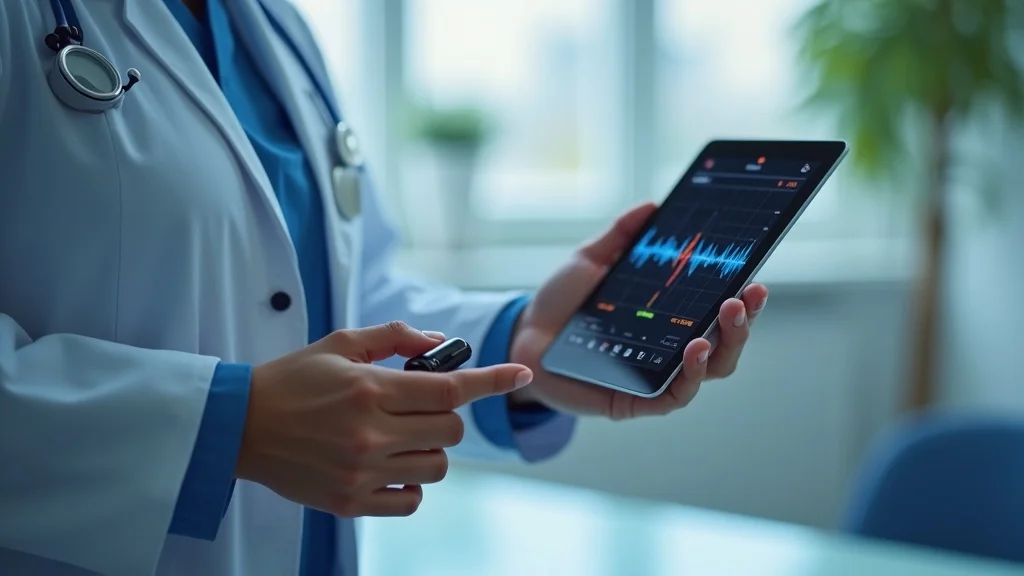
Another crucial pillar, as explained by Dr. Wasserman, is biofeedback therapy. This modality equips patients with direct, real-time awareness of their physiological responses (such as heart rate or breathing patterns) and transforms them into participants in their own care. Patients interact with feedback mechanisms—sometimes “playing” video games or tracking data—to learn how intentional relaxation can alter their stress responses.
The transformative “aha moment” here is the realization that gaining control over one’s body can equate to regaining autonomy over tinnitus severity itself. According to Dr. Wasserman, many individuals report that, as their sense of control grows, their tinnitus shifts from feeling intrusive and overwhelming to entirely manageable—a victory for both patient and clinician.
- Top 3 Tinnitus Management Strategies: Hearing Devices, Cognitive Behavioral Therapy, Biofeedback
- Key Benefits of Stress Reduction in Tinnitus Severity
- When to Transition from Hearing Devices to Behavioral Therapies
Empowering Healthcare Professionals: Integrating Tinnitus Management in Clinical Practice
The true test for any healthcare professional is not simply knowing what works, but integrating those insights seamlessly into real-world practice. Dr. Wasserman challenges clinicians to actively assess hearing status during initial evaluations, tailoring management plans for each unique patient profile. This proactive, individualized approach is what distinguishes standard care from exceptional, life-changing intervention.
Further, Dr. Wasserman encourages ongoing interdisciplinary collaboration—between audiologists, mental health professionals, primary care providers, and specialists—so no aspect of the patient’s experience is overlooked. Regularly reviewing patient progress, monitoring both auditory and emotional well-being, and introducing new strategies as needed all ensure that the management of tinnitus remains dynamic and deeply patient-centered.
Tailoring Tinnitus Management Based on Patient Hearing Status

Success in tinnitus care, according to Dr. Wasserman, is rooted in the ability to quickly differentiate between patients with and without hearing loss. This foundational step streamlines both device adoption and the integration of behavioral interventions where appropriate. Health professionals who master this diagnostic triage are rewarded with more predictable outcomes and improved patient satisfaction.
Moreover, Dr. Wasserman urges clinicians never to view device and therapy-based approaches as mutually exclusive. Instead, fluid movement between these modalities—based on efficacy and patient feedback—yields the best results, and positions providers as agile advocates for their patients’ needs.
Supporting Patients’ Mental Wellness to Improve Treatment Outcomes
The psychological impact of tinnitus cannot be underestimated, and addressing it is a professional imperative. According to Dr. Wasserman, weaving in mental wellness support—formal or informal—should be part of every tinnitus management plan. Education about the physiological effects of stress, ongoing encouragement, and access to therapeutic resources together foster greater resilience and compliance among patients.
Additionally, this holistic approach not only improves symptom control but powerfully contributes to the overall quality of life—a central goal for every audiologist, ENT, geriatric care manager, and hearing aid dispenser committed to modern auditory care.
Summary: A Comprehensive, Dual-Approach to Effective Tinnitus Management
“By combining hearing devices for those with hearing loss and targeted therapies for others, tinnitus management becomes a powerful tool to improve patient quality of life.”
– Dr. Charles Wasserman
Ultimately, what emerges from Dr. Wasserman’s expertise is an integrated, adaptable framework for tinnitus management strategies. Clinicians are encouraged to begin with clear diagnostic triage, deploy device-based relief where appropriate, and reinforce progress with behavioral and biofeedback therapies as needed. The duality of this approach ensures that no patient is overlooked and that both the physical and psychological aspects of tinnitus receive attention.
For healthcare teams striving to raise the standard of tinnitus care in 2026, the message is clear: educate, empower, and remain proactive. Every clinical encounter presents a new opportunity to break the cycle of helplessness and to return control to those living with tinnitus.
Take the Next Step in Offering Advanced Tinnitus Solutions
Now is the time to implement these layered tinnitus management strategies within your practice. By combining hearing assessment, device technology, and targeted patient support, you can transform the lives of patients who have been told for too long that "nothing can be done. " Let Dr. Wasserman’s insights guide your next evaluation—and embrace your role as an essential bridge between suffering and relief.
Ready to empower your clinical approach to tinnitus? Connect with Dr. Charles Wasserman and the Sound Advice Audiology team for tailored guidance, resources, and in-depth training to help your patients achieve real, lasting relief.






Write A Comment