

Add Row
Add Element
Health Line Journal
UPDATE
Add Element
  • Home
  • Categories
    • Holistic Health
    • Community Health
    • Everyday Wellness
    • Behind the Practice
    • Health Products
    • Wellness Travel
    • Life and Health
February 12.2026
1 Minute Read

Comprehensive Tinnitus Management: Combining Device-Based and Therapeutic Approaches

Modern hearing clinic setting with audiologist consulting a middle-aged patient on tinnitus management strategies, featuring test equipment and calming blues in a bright audiology office

Tinnitus management strategies are among the most crucial and often misunderstood topics facing today’s primary care, ENT specialists, and hearing health professionals. For millions of patients, the sensation of constant ringing or buzzing in the ears can erode quality of life—yet misconceptions prevail. “People often believe there’s nothing they can do about their tinnitus,” observes Dr. Charles Wasserman of Sound Advice Audiology. In this article, Dr. Wasserman draws on his extensive clinical experience to shatter myths and clarify how a nuanced, patient-centered combination of device-based and therapeutic approaches can offer hope and lasting control, no matter the origin of symptoms.

Dr. Charles Wasserman Reveals the Truth about Tinnitus Management Strategies

"The biggest misconception is that there's nothing I can do about my tinnitus."
– Dr. Charles Wasserman, Sound Advice Audiology

Dr. Wasserman’s clinical approach at Sound Advice Audiology begins by addressing the myth of helplessness head-on. According to Dr. Wasserman, the belief that tinnitus is untreatable frequently delays patient care and fosters unnecessary distress. Instead, his experience affirms that with the right tinnitus management strategies, even chronic cases become manageable, and patients regain a sense of agency.

For the community of primary care physicians, ENT specialists, and hearing health professionals, Dr. Wasserman’s insight underscores an urgent opportunity: to educate, inform, and activate patients toward proven solutions. “There is always a path forward,” he emphasizes, advocating for immediate, individualized assessment and intervention.

Tailoring Tinnitus Management: Hearing Loss or Not?

"People who have tinnitus fall into two major categories, those with hearing loss and those without."
– Dr. Charles Wasserman, Sound Advice Audiology

A key breakthrough in advancing tinnitus management strategies lies in the initial diagnostic distinction: Does the patient have accompanying hearing loss? As Dr. Wasserman emphasizes, this dichotomy shapes every subsequent clinical decision. Those with hearing loss often benefit most rapidly from advanced hearing devices—while those without hearing loss require a different, therapy-focused model to achieve symptom relief.

For medical directors, insurance case managers, and care coordinators, recognizing this bifurcation provides clarity on resource allocation and care navigation. Dr. Wasserman’s expertise points to a streamlined pathway: Assess hearing status as the first clinical step, then match intervention type to patient profile for optimal results.

Effective Device-Based Approaches for Patients with Hearing Loss
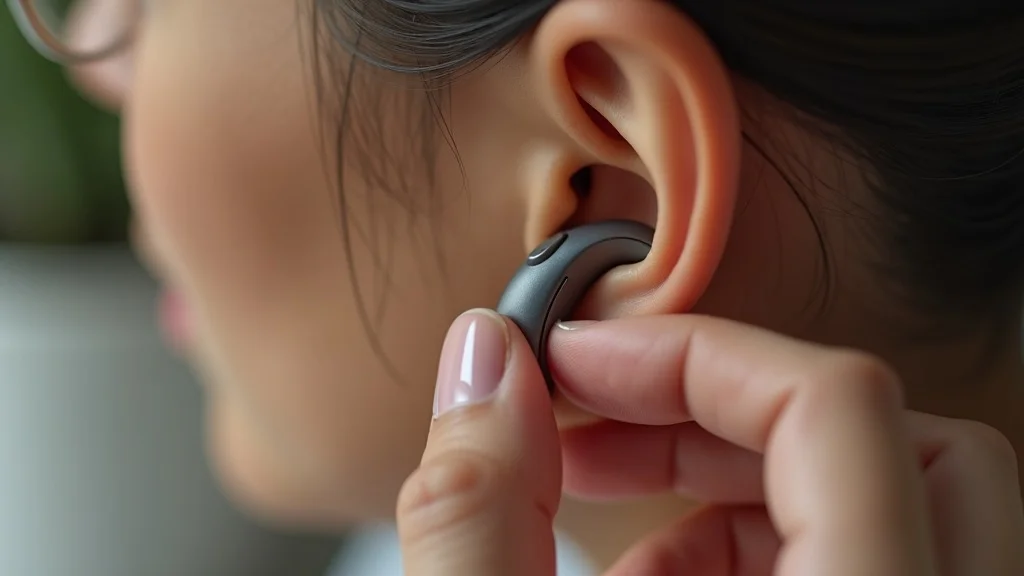
Discreet hearing aid device, patient fitting modern in-ear hearing aid as part of tinnitus management strategies, clean home environment, natural hand movement
"For people who have hearing loss, hearing devices very often help get rid of hearing the tinnitus sound."
– Dr. Charles Wasserman, Sound Advice Audiology

The integration of hearing devices stands as a central pillar among tinnitus management strategies for patients with concurrent hearing loss. According to Dr. Wasserman, custom-fitted devices not only restore ambient sound but frequently mask or diminish the perception of tinnitus, often providing a profound sense of relief within as little as one day. By reintroducing environmental soundscapes and reducing auditory deprivation, advanced digital hearing aids disrupt the brain’s fixation on the tinnitus signal.

However, Dr. Wasserman cautions that not all patients with hearing loss experience the same degree of benefit. While many report swift attenuation of ringing sensations, some may require further therapeutic intervention to achieve full symptom control. “Early assessment and patient education are critical,” says Dr. Wasserman, pointing to streamlined follow-up as a clinical best practice.

Therapeutic Strategies For Patients Without Hearing Loss

  • Cognitive Behavioral Therapy to reduce stress and anxiety
  • Biofeedback Therapy to gain control over physiological stress
  • Breathing Therapies to help manage tinnitus severity

Tranquil therapy session for tinnitus, young adult relieved during counseling with therapist, soothing greens, as part of stress reduction strategies
"By reducing overall stress and increasing sense of control over anxiety, tinnitus becomes much more manageable."
– Dr. Charles Wasserman, Sound Advice Audiology

For patients without measurable hearing loss, tinnitus management strategies turn to the psychological and physiological roots of symptom persistence. As Dr. Wasserman demonstrates, guiding patients through cognitive behavioral therapy (CBT) empowers them to restructure anxious thought patterns, directly addressing the emotional distress that exacerbates tinnitus perception.

Biofeedback therapy amplifies this approach, offering patients tangible, real-time feedback on their physiological stress indicators. “The game-like interface helps patients gain conscious control over heart rate, breathing, and muscle tension—all of which modulate tinnitus intensity,” Dr. Wasserman notes. Combined with structured breathing techniques, this multi-pronged approach enables patients to reclaim power over their symptoms and daily wellbeing. For care managers, introducing these therapies expands options for patients for whom hearing technology alone is insufficient.

Understanding Patient Outcomes and Timelines in Tinnitus Management

Immediate Relief Through Hearing Devices

Patient experiencing immediate relief with hearing device as part of tinnitus management strategies, smiling outdoors in sunlit park

One of the most compelling aspects of modern tinnitus management strategies, according to Dr. Wasserman, is the potential for immediate patient impact. “For people with hearing loss, we often know within a day or so of starting hearing device wearing whether it will help their tinnitus,” the expert shares. This rapid feedback loop not only accelerates the path to relief but enhances patient engagement and satisfaction.

Dr. Wasserman’s experience aligns with clinical studies indicating that rapidly initiated device-based interventions decrease tinnitus visibility to the brain and thus emotional salience. Yet, as he underscores, even in cases where initial device fitting does not provide a dramatic improvement, timely transition to therapy-focused strategies ensures that hope is never lost and progress remains possible.

Longer-Term Benefits From Behavioral and Biofeedback Therapies

When hearing devices alone are insufficient or inappropriate, behavioral and biofeedback therapies stand as the cornerstone for sustainable tinnitus management. These approaches do not promise instant alleviation—but their enduring impact lies in gradual mastery over stress, anxiety, and the underlying neural mechanisms that amplify tinnitus.

According to Dr. Wasserman, patients committed to these integrative therapies typically report progressive improvement in perceived control, symptom intrusiveness, and overall quality of life. He emphasizes, “Gaining volitional control over anxiety transforms the patient’s relationship with tinnitus—from helpless victim to empowered manager. ” For clinicians and case managers, setting realistic expectations and reinforcing therapy adherence is critical to long-term success.

Key Takeaways for Primary Care and Hearing Health Specialists

  • Distinguish tinnitus patients by presence of hearing loss to guide treatment
  • Utilize hearing devices primarily for hearing-impaired patients
  • Incorporate cognitive and biofeedback therapies to reduce stress and improve control
  • Early evaluation of hearing device efficacy can streamline patient care
  • Holistic management improves patient quality of life and perceived control

Team-based patient care for tinnitus management strategies, healthcare professionals discussing digital charts in a modern meeting room

Dr. Wasserman’s approach, grounded in the latest research and practical experience, provides a roadmap for all levels of hearing health professionals. By distinguishing the underlying drivers of tinnitus, utilizing targeted device-based strategies, and expanding the therapeutic toolbox, care teams can vastly improve both short-term outcomes and patient empowerment.

Frequently Asked Questions About Tinnitus Management Strategies

  • What immediate signs indicate hearing devices may alleviate tinnitus?
    According to Dr. Wasserman, rapid reduction in tinnitus perception—often within a day of hearing aid fitting—can be a clear indicator of benefit for patients with hearing loss.
  • How does biofeedback therapy practically work to reduce tinnitus severity?
    This therapy provides real-time physiological feedback, allowing patients to monitor and modulate stress responses that can intensify tinnitus. Over time, this leads to improved symptom control and reduced distress.
  • Can behavioral therapies substitute hearing devices for some patients?
    Yes; for those without hearing loss, or where hearing devices are ineffective, cognitive behavioral and biofeedback therapies offer a proven path to relief through stress and anxiety management.
  • What role does stress reduction play in managing tinnitus symptoms?
    Stress exacerbates tinnitus perception; by reducing overall stress through therapy, patients can significantly improve their ability to manage and minimize tinnitus impact on daily life.

Summary: Embracing Combined Tinnitus Management Strategies for Better Patient Outcomes

"If hearing devices do not provide relief, therapy options resembling those for patients without hearing loss should be implemented to restore control and reduce tinnitus impact."
– Dr. Charles Wasserman, Sound Advice Audiology

The clinical wisdom of Dr. Charles Wasserman and the team at Sound Advice Audiology reveals that comprehensive tinnitus management strategies grounded in patient profile—hearing status, psychological readiness, and lifestyle—yield the most sustainable relief. Early intervention, clear patient education, and a willingness to pivot between technology and therapy according to response are the hallmarks of next-generation care. For primary care and hearing health providers, adopting this holistic, evidence-based approach is the key to delivering hope and long-term success for patients enduring tinnitus.

Next Steps: Access Expert Guidance for Comprehensive Tinnitus Care

Ready to transform your approach to tinnitus management strategies? Contact Dr. Charles Wasserman and the compassionate experts at Sound Advice Audiology for custom guidance, evidence-backed tools, and direct partnership in elevating patient outcomes.


Life and Health

0 Comments

Write A Comment

*
*
Related Posts All Posts
02.11.2026

The Essential Guide to Foods That Help Heal a Leaky Gut

Update Understanding Leaky Gut: What Is It? Leaky gut syndrome is often described but is not universally recognized as a medical diagnosis. It refers to a condition where the intestinal lining becomes increasingly permeable, allowing substances like toxins and undigested food particles to move from the gut into the bloodstream. This permeability can lead to systemic inflammation, which researchers suspect is linked to various health conditions, including autoimmune diseases and metabolic disorders. While the presence of increased intestinal permeability is real, its role as a standalone disease remains debated. The Role of Diet in Gut Integrity The foods we eat significantly impact gut health. A diet high in processed foods, sugars, and unhealthy fats may contribute to a condition called dysbiosis, where the balance of gut bacteria is disrupted. This dysbiosis can lead to chronic inflammation and a compromised gut barrier. Conversely, a predominantly vegetarian diet is associated with a more balanced gut microbiome and greater intestinal integrity. Consumption of whole grains, legumes, fruits, vegetable fibers, nuts, and seeds can all enhance gut health, particularly fiber, which feeds beneficial gut bacteria and aids in producing short-chain fatty acids essential for intestinal health. Key Foods that Support Gut Integrity 1. **Fiber-Rich Foods:** Foods such as whole grains, legumes, fruits, and vegetables not only support gut bacteria but also play a crucial role in producing short-chain fatty acids, which are vital for maintaining the gut barrier. They have been shown to lower zonulin levels—a marker of gut permeability—as seen in studies involving individuals with dietary changes towards a plant-rich diet. 2. **Fermented Foods:** Foods rich in probiotics, like yogurt, sauerkraut, and kefir, can also enhance gut barrier function by stabilizing the gut microbiota and decreasing intestinal permeability. Probiotics are known to promote the production of mucus, which acts as a protective barrier in the gut. 3. **Anti-Inflammatory Ingredients:** Certain spices and foods are known for their anti-inflammatory properties. Turmeric contains curcumin, which has been noted for its potential to reduce inflammation and repair the intestinal barrier. Likewise, the compound sulforaphane in broccoli exhibits protective effects on the intestines. Future Insights on Gut Health The growing understanding of the gut's role in systemic health signifies the need for ongoing research into personalized dietary recommendations that can mitigate symptoms of leaky gut. Future trends might include dietary strategies that leverage the gut microbiome's role in enhancing immune function and reducing inflammation. As research progresses, dietary interventions may become tailored based on gut microbiota profiles unique to individuals. Conclusion: Empowering Dietary Choices A growing body of evidence suggests the importance of diet in maintaining gut health, promoting overall wellness, and potentially managing conditions related to leaky gut. Embracing a diet focused on whole, fiber-rich foods while minimizing processed options may be a proactive approach toward health.Ultimately, informed dietary choices can empower individuals to take control of their digestive health, contributing to long-term benefits beyond the gut alone.

02.05.2026

Are Common Medications and Foods Causing Your Leaky Gut?

Update Understanding Leaky Gut: What It Means for Your HealthLeaky gut syndrome, characterized by increased intestinal permeability, is emerging as a pivotal factor in various health conditions. The intestinal barrier, which spans an area larger than a tennis court, plays a critical role in our overall well-being, needing substantial metabolic support to maintain its integrity. When this barrier falters, harmful substances can enter the bloodstream, potentially leading to autoimmune issues, allergies, and gastrointestinal diseases.The Role of Everyday MedicationsSurprisingly, common medications like aspirin and ibuprofen can contribute to leaky gut by eroding the intestinal lining. Research has shown that taking as little as two regular-strength aspirin can cause gastrointestinal dysfunction within minutes. This revelation raises pertinent questions about the safety of over-the-counter pain relievers, particularly for those without underlying health issues. The adverse effects are magnified when these medications are consumed in conjunction with other stressors, like strenuous exercise or alcohol intake, which further divert blood flow away from gut health.Food Choices that Impact Intestinal IntegrityYour diet plays a significant role in gut health too. High saturated fat intake, often found in processed foods and meats, fosters the growth of harmful bacteria that produce toxins such as hydrogen sulfide. This not only disrupts the protective mucus layer of the intestine but also contributes to conditions such as leaky gut. To counteract this, embracing a diet rich in whole foods, fruits, and vegetables can help restore and maintain gut integrity.The Exercise and Gut Health ConnectionInterestingly, while exercise is beneficial for overall health, excessive or high-intensity workouts can lead to temporary gut leakiness. This phenomenon is exacerbated by the use of NSAIDs, which athletes frequently consume to manage pain. It’s crucial for fitness enthusiasts to find a balance between their workout intensity and recovery strategies, as the gut's health is not isolated from physical exertion.Exploring Alcohol’s Effects on Gut Barrier FunctionalityAlcohol consumption is another significant risk factor for developing leaky gut. It has been shown to increase intestinal permeability, leading to dangerous consequences such as heightened risk of food allergies. By eliminating or reducing alcohol intake, many might find a pathway to not only better gut health but overall wellness.Promoting Gut Health: Alternatives and RecommendationsSmarter food choices can fortify intestinal walls against permeability. Consuming prebiotic and probiotic foods can bolster a healthy gut microbiome, providing essential benefits that extend beyond digestion. Moreover, certain nutrients like zinc and omega-3 fatty acids can help in the repair and maintenance of the gut lining, thus protecting against leaky gut.A Holistic Approach to WellnessAs we reflect on the dietary and medicinal factors that contribute to leaky gut, a holistic perspective becomes increasingly vital. Mindful eating, understanding how medications affect our bodies, and focusing on lifestyle choices that support our intestinal health can empower individuals to take control of their well-being. Thus, it becomes clear that each decision we make, from the foods we eat to the medications we use, can either strengthen or weaken our gut barrier.Conclusion: Your Awareness is KeyBy being aware of how modern lifestyle choices impact gut health, we can recognize the importance of conscious decisions in preventing leaky gut syndrome. It is essential to prioritize nutrients that support gut integrity while being cautious with medications and lifestyle habits. Taking charge of your health may begin with these small steps towards nurturing a balanced gut.

02.03.2026

Unlocking the Dietary Phytochemical Index: How to Score Better on Your Diet

Update Understanding the Nutritional Score: What Determines a Good Diet?At the heart of assessing diet quality lies the concept of the Dietary Phytochemical Index (DPI), a tool that could revolutionize how we gauge the health benefits derived from our food choices. As research indicates, plant-based diets tend to score higher in nutritional density than their animal-based counterparts. Yet, many vegetarian diets fall short when it comes to whole plant food consumption, as they sometimes include processed items like white bread or sugar-laden snacks.How the Phytochemical Index WorksThe DPI is calculated by taking the percentage of dietary energy derived from foods rich in phytochemicals—compounds found in plants that contribute to various health benefits. A higher DPI indicates a greater consumption of whole foods such as fruits, vegetables, legumes, and grains, while a lower score suggests the inclusion of processed foods and animal products. Ideally, a diet consisting solely of whole plant-based foods would yield a perfect DPI score of 100. However, the typical American diet often barely makes it to a score of 20.Shifting Trends in Diet Quality Over TimeInterestingly, the proportion of whole plant foods in American diets (previously around 20%) has been declining. As we navigate through increasingly processed food environments, it’s essential to keep the importance of whole food consumption at the forefront. Studies show that a higher phytochemical intake correlates with lower body mass index (BMI) and improved metabolic health—notably among adolescents and adults alike.Why Phytochemicals Matter for HealthPhytochemicals have been linked to a host of health benefits, from reducing inflammation to lowering the risk of chronic diseases. Research highlights a protective association between diets rich in phytochemicals and healthier metabolic profiles in both adults and adolescents. For example, higher DPI scores have been associated with lower instances of metabolic syndrome and reduced risk of diabetes and cardiovascular issues.The Role of Education and AwarenessWith a better understanding of the dietary phytochemical index, individuals looking to improve their health can take actionable steps towards optimizing their diets. Simple awareness of the food groups that contribute to a higher DPI can foster healthier eating habits. Encouraging schools, parents, and communities to emphasize whole plant foods can enhance dietary habits and overall health in the long run.Actionable Steps for Improving Dietary Scores1. Monitor Your Intake: Keep track of your daily consumption of fruits, vegetables, whole grains, and legumes.2. Choose Whole Over Processed: Aim to replace refined grains and sugars with whole food alternatives.3. Educate Yourself: Learn about the health benefits of phytochemicals and how they contribute to overall wellness.4. Community Engagement: Join local groups focusing on plant-based eating to share tips and healthy recipes.Conclusion: It’s Time to Score BetterThe future of dietary health hinges on our understanding of what we put on our plates. By shifting towards a higher phytochemical intake and embracing the principles of whole plant foods, we can significantly enhance both our health and quality of life.We all have the power to take action and improve our dietary score—let’s use it and aim for better health outcomes through better food choices.

Terms of Service

Privacy Policy

Core Modal Title

Sorry, no results found

You Might Find These Articles Interesting

T
Please Check Your Email
We Will Be Following Up Shortly
*
*
*