Health Line Journal
  • Home
  • Categories
    • Holistic Health
    • Community Health
    • Everyday Wellness
    • Behind the Practice
    • Health Products
    • Wellness Travel
    • Life and Health
August 07.2026
4 Minutes Read

The Benefits and Risks of Hair Loss Drugs: What to Know Before Treatment

Highlighted side effects of FDA-approved hair loss drugs.

The Complex Landscape of Hair Loss Drugs

Hair loss can be a distressing experience for many, cutting across age groups and genders. It can be caused by a variety of factors including genetics, hormonal changes, stress, and certain medical conditions. With a growing global market for treatments, it's essential to weigh both the benefits and risks associated with hair loss drugs. In recent years, pharmaceutical advancements have led to various options featuring both established therapies and new formulations, but how effective and safe are these treatments? Understanding both the science and individual experiences can help in making informed choices.

Understanding the Mechanism Behind Hair Loss Drugs

Medications like finasteride (Propecia) and minoxidil (Rogaine) are at the forefront of hair loss treatment. Finasteride works by inhibiting the enzyme that converts testosterone to dihydrotestosterone (DHT), a hormone linked to hair loss. Meanwhile, minoxidil encourages hair regrowth by improving blood flow to hair follicles.

While both have demonstrated efficacy for many users, they also come with potential side effects. It's crucial to understand how these medications work to appreciate their benefits and limitations. Finasteride is typically taken in pill form, whereas minoxidil is applied topically. The choice between them often depends on individual preferences, types of hair loss, and how one’s body reacts to these substances.

Real-World Success Stories

Many individuals have experienced significant benefits from hair loss drugs, regaining their hair and, consequently, their confidence. Success stories are compelling and can inspire others to explore treatment options. Users often report noticeable improvements within six months to a year of consistent use. These positive outcomes contribute to a sense of normalcy and help many navigate societal pressures regarding appearance. Share your success stories or seek out community groups; they're often filled with tips and encouragement from others who understand firsthand the emotional turmoil that can accompany hair loss.

The Risks You Need to Consider

Though these medications present a beacon of hope, they come with risks that are important to acknowledge. Common side effects of finasteride include sexual dysfunction, depression, and a potential increase in the risk of prostate cancer, raising concerns about long-term usage. These side effects can significantly affect quality of life and should be understood before starting the medication. Minoxidil might lead to scalp irritation and unwanted facial hair growth, particularly in women. For some, these side effects can be severe, making it crucial to discuss these treatments with healthcare providers before starting.

Moreover, some users experience a phenomenon known as "shedding" when first starting treatments, which can be disheartening. It is essential to have realistic expectations and be prepared for this initial phase, as hair can appear thinned before improvements become visible. Always keep an open dialogue with your doctor about any adverse reactions, as they can offer guidance on managing side effects or exploring alternative treatments.

Emotional and Psychological Impact of Hair Loss

Beyond the physical implications, hair loss can affect mental health and personal relationships. The emotional toll can lead to anxiety, lower self-esteem, and feelings of embarrassment. For some, the psychological impact may even contribute to more serious mental health conditions, such as depression or social anxiety. Understanding the psychological facets of hair loss is imperative, as it emphasizes the need for compassionate approaches to treatment. Therapy or support groups can be beneficial resources for individuals struggling with self-image issues due to hair loss.

Seeking Alternatives and Holistic Approaches

For those wary of pharmaceutical treatments or who experience adverse effects, there are natural alternatives worth considering. Nutritional adjustments, lifestyle changes, and the use of herbal supplements may offer some individuals improvements. For instance, biotin, zinc, and vitamins A, D, and E have been touted for their potential benefits to hair health. Moreover, practices like scalp massages and stress management techniques can promote hair health holistically.

Additionally, mindfulness practices, regular exercise, and a balanced diet can not only help with hair health but also improve overall emotional well-being. Many individuals find that addressing stress through yoga or meditation has a positive effect on their hair loss experience. Incorporating these healthy habits alongside any prescribed treatments may lead to a more comprehensive approach to hair restoration.

Consulting Healthcare Professionals: Why It Matters

Before embarking on any hair loss treatment, it is paramount to consult with healthcare professionals. They can provide personalized recommendations based on an individual’s health history, potential side effects, and available alternatives. A dermatologist or trichologist, someone who specializes in hair and scalp health, can offer insight into the nature of the hair loss, whether it be genetic, stress-related, or a symptom of an underlying condition.

Individual discussions about goals, expectations, and any past treatment experiences can significantly inform the best course of action. Moreover, keep your healthcare provider updated on any changes in your health or any side effects that arise during treatment. This partnership can lead to better outcomes and more personalized care.

Final Thoughts: A Balanced Perspective on Hair Loss Treatment

Hair loss drugs can offer significant benefits, with many people experiencing remarkable results. However, their risks and potential side effects cannot be understated. By maintaining open communication with healthcare professionals and considering holistic alternatives, individuals can make informed decisions that align with their health needs and personal values when addressing hair loss. Every experience with hair loss is unique, and finding the right approach may take time and patience.

If you or someone you know is grappling with hair loss, take the time to explore all available options. Combining medical advice with personal research can lead to better outcomes and improved mental health. Remember, you are not alone in this journey. Community support and the right resources can make a significant difference as you navigate the complexities of hair restoration and personal identity.


Life and Health

0 Comments

Write A Comment

*
*
Please complete the captcha to submit your comment.
Related Posts All Posts
08.07.2026

Indy Spine & Balance in Indianapolis: Advanced Pain Relief & Sports Care

Are you seeking more than just temporary symptom relief? At Elite Spine Care Chiropractic, the journey of healing goes deeper than surface-level treatment. For over two decades, Dr. Matthew Ferris has dedicated his practice to uncovering the root causes of pain and discomfort, delivering innovative, customized care that transforms lives. This article invites you to explore the evolution, philosophy, and breakthrough treatment approaches of Elite Spine Care Chiropractic—your partner in lasting pain relief and wellness. Connecting with Patients: The Heart of Elite Spine Care Chiropractic At the core of elite spine care chiropractic lies a fundamental commitment: truly connecting with patients. Dr. Matthew Ferris, of Elite Spine Care, emphasizes, “Our goal is always to get to the root cause of the problem, not just treat symptoms.” This philosophy infuses every interaction and treatment plan, ensuring each patient feels heard, understood, and supported on their wellness journey. The Personal Story Behind Elite Spine Care Chiropractic Dr. Ferris’s inspiration from family and healthcare passion Transition from hospital settings to independent chiropractic practice Over two decades of dedicated chiropractic care Dr. Ferris’s path into chiropractic care began early, sparked by a healthcare calling and inspired by a family member who practiced chiropractic in Chicago. Preferring the independence and personalized approach of chiropractic over hospital work, Dr. Ferris fully embraced this profession by his senior year of high school. His 21-year tenure reflects a deep dedication to patient-centered care and continuous growth in practice. Dr. Matthew Ferris in his clinic, embodying dedication to patient care and professionalism. Common Conditions Treated at Elite Spine Care Chiropractic Addressing Joint Pain, Neck Pain, and Back Pain with Precision Headaches, neck pain, and back pain as primary complaints Specialized focus on upper neck conditions Personalized treatment plans for diverse patient needs Elite Spine Care Chiropractic specializes in treating a range of musculoskeletal conditions, with particular expertise in headaches, neck pain, and back pain—issues that commonly disrupt daily life. Dr. Ferris’s specialized focus on upper cervical care allows tailored interventions that address each patient’s unique presentation and underlying causes, facilitating more effective and lasting relief. Patient receiving precision neck adjustment treatment at Elite Spine Care Chiropractic. Innovative Treatment Modalities at Elite Spine Care Chiropractic Advanced Technologies: Laser Therapy, Dry Needling, and Disc Decompression Class two and class four laser therapies for accelerated healing Superficial dry needling combined with shock wave therapy for soft tissue repair Disc decompression for non-invasive relief of shooting pain and sciatica Elite Spine Care Chiropractic stays on the cutting edge of pain management and healing technologies. Dr. Ferris explains, “Using laser technology, we stimulate the mitochondria to speed up tissue recovery and reduce inflammation.” Incorporating both class two and class four lasers, the clinic treats a spectrum of tissue injuries more efficiently. Innovative combinations such as dry needling with shock wave therapy break down soft tissue adhesions with minimal discomfort, while disc decompression offers a gentle alternative to surgery for patients struggling with radicular pain. High-tech laser therapy device in use at Elite Spine Care Chiropractic. The Patient Experience: Personalized Care and Lasting Relief Comprehensive Initial Consultations and Tailored Treatment Plans Detailed consultations uncover multiple underlying issues Use of digital imaging and specific exam tests to identify root causes Patient education on treatment rationale and progress Every new patient at Elite Spine Care Chiropractic undergoes a meticulous evaluation involving in-depth consultations, digital imaging of the spine and joints, and specialized exam tests. This thorough approach allows Dr. Ferris and his team to identify root causes rather than merely addressing symptoms. Patients are engaged throughout the process, learning about their conditions and collaborating on plans for optimal recovery. Patient education during digital spine imaging review fosters understanding and trust. Rehabilitation and At-Home Care: Supporting Long-Term Recovery Targeted rehab exercises to correct posture and strengthen core stabilizers Addressing modern issues like "text neck" with specialized protocols Patient empowerment through guided home care routines Elite Spine Care Chiropractic extends beyond in-clinic treatments by emphasizing rehabilitation and self-care. Targeted exercises correct posture imbalances, particularly combating the increasingly prevalent "text neck" caused by prolonged forward head posture. Patients receive clear guidance on at-home exercises using resistance bands and other tools, empowering them to maintain and improve spinal health long term. Patients empowered with guided at-home rehab exercises to maintain spinal health. Staying Ahead: Continuous Education and Innovation in Chiropractic Care Mandatory continuing education ensures up-to-date practices Incorporation of new technologies based on latest research Collaborative learning with peers to enhance patient outcomes Dr. Ferris is deeply committed to lifelong learning, ensuring Elite Spine Care Chiropractic exemplifies excellence through ongoing education. He shares, “Continuing education has allowed me to treat conditions like rheumatoid arthritis more effectively with new techniques.” By integrating the latest research findings and technological advances, including novel modalities like superficial dry needling, the clinic continually enhances care quality and expands treatment options. Frequently Asked Questions About Elite Spine Care Chiropractic What conditions can Elite Spine Care chiropractic treat? - They treat headaches, neck and back pain, sciatica, rheumatoid arthritis symptoms, and soft tissue injuries. How does the initial consultation process work? - It includes detailed exams, patient history, and advanced digital imaging to identify root causes. What makes Elite Spine Care’s approach unique? - Their focus on individualized, root cause diagnosis paired with advanced treatment technology. Is chiropractic care suitable for chronic pain sufferers? - Yes, especially with personalized care plans and innovative therapies that address complex conditions. What role does technology play in treatment? - Technologies like laser therapy and disc decompression accelerate healing and reduce inflammation with minimal invasiveness. Elite Spine Care Chiropractic Treatment Modalities: Purpose and Benefits Treatment Modality Purpose Benefits Class Four Laser Therapy Stimulate deep tissue healing Faster recovery, reduced inflammation Disc Decompression Relieve disc-related pain Non-invasive alternative to surgery Dry Needling & Shock Wave Break up soft tissue adhesions Effective pain relief with less discomfort Key Takeaways: Why Choose Elite Spine Care Chiropractic? Patient-centered approach focusing on root causes Comprehensive use of advanced treatment technologies Experienced care from Dr. Matthew Ferris with 21 years in practice Customized rehabilitation and home care support Commitment to continuous learning and innovation Conclusion: Your Path to Lasting Pain Relief Starts Here Elite Spine Care Chiropractic stands out by providing personalized, comprehensive care that targets the root cause of pain, not just symptoms. Dr. Ferris concludes, “Finding a healthcare provider who listens and targets the root cause is key to lasting relief.” For those seeking a transformative approach to spinal health and pain management, Elite Spine Care offers an advanced yet compassionate path toward lasting wellness and improved quality of life. An inviting clinic environment that reflects Elite Spine Care’s dedication to patient well-being. People Also Ask What is the typical recovery time with Elite Spine Care chiropractic? Can chiropractic care help with rheumatoid arthritis symptoms? How does laser therapy improve healing? What should I expect during my first visit? Is chiropractic care safe for chronic pain management? Get Relief Now—Book Your $89 Consultation + Digital Imaging Today Comprehensive initial evaluation by Dr. Matthew Ferris Advanced digital imaging to identify root causes Personalized treatment plan tailored to your needs Access to cutting-edge chiropractic technologies Start your journey to pain-free living with expert care

08.07.2026

Expert Perspectives: Integrating Advanced Modalities in Chiropractic Practice

Did you know that over 80% of adults experience back pain at some point in their lives? Startling Facts About Advanced Chiropractic Modalities and Spinal Health Back pain and spinal disorders remain some of the leading causes of disability worldwide. Research shows that chronic musculoskeletal pain affects nearly 100 million Americans, often leading to diminished quality of life and increased healthcare costs. Advanced chiropractic modalities have emerged as crucial interventions that address these pervasive issues. Unlike traditional approaches, which mainly focus on symptom relief, advanced chiropractic care emphasizes identifying and correcting the underlying biomechanical and soft tissue problems causing pain. Through sophisticated diagnostic tools and specialized treatment techniques, patients receive customized care plans that significantly improve outcomes and reduce recurrence of symptoms. Dr. Matthew Ferris highlights, "Our goal is always to get to the root cause of the problem, not just treat symptoms. Advanced chiropractic modalities allow us to do that more effectively. " This patient-focused stance is transforming how spinal health is managed in modern chiropractic clinics. Overview of Advanced Chiropractic Modalities and Their Role in Spinal Health Advanced chiropractic modalities integrate technology and hands-on techniques to restore normal function and reduce pain in spinal and joint tissues. They encompass a range of treatments including spinal decompression therapy, laser therapy, dry needling, and shock wave therapy, alongside traditional chiropractic adjustments. These methods work synergistically to enhance tissue healing, improve spinal alignment, and reduce inflammation. For example, spinal decompression gently relieves pressure on spinal discs, promoting recovery for conditions like herniated discs and sciatica. Meanwhile, laser therapies stimulate cellular regeneration to accelerate healing and reduce pain. Adapting care to each individual’s unique condition is vital, as Dr. Ferris notes, "No two patients with the same symptom receive the same treatment. We tailor our advanced chiropractic techniques to each individual’s root cause," ensuring optimal recovery and lasting relief. Common Conditions Treated with Advanced Chiropractic Modalities Advanced chiropractic care effectively addresses a broad spectrum of conditions. Most commonly, patients present with headaches, neck pain, and back pain—symptoms often linked to complex underlying causes such as disc degeneration, soft tissue adhesions, or poor joint mechanics. Beyond these typical ailments, advanced techniques also treat complex cases like rheumatoid arthritis-related joint dysfunction and neurological symptoms such as dizziness and tinnitus, which can have musculoskeletal origins. Through precise diagnosis and multifaceted treatment, many patients achieve significant functional improvements. Exploring Key Advanced Chiropractic Techniques and Treatments Spinal Decompression Therapy for Back Pain and Sciatica Spinal decompression therapy utilizes a computerized traction table to create negative pressure within spinal discs, encouraging retraction of herniated or bulging material and promoting nutrient-rich fluid intake into damaged areas. This technique is especially beneficial for patients suffering from lower back pain that radiates into the legs (sciatica) or neck pain shooting into the arms. By targeting the root mechanical causes of pain, decompression therapy can reduce the need for invasive procedures like surgery or injections. Patients often report decreased pain and improved mobility after several sessions, supporting long-term spinal health. Laser Therapy: Class Two and Class Four for Accelerated Healing Laser therapy is a cornerstone of advanced chiropractic modalities, with Class Two and Class Four lasers applied to stimulate cellular processes at the mitochondrial level. This phenomenon, called photobiomodulation, enhances the cell's energy production, accelerating tissue repair and reducing inflammation. Patients benefit from shortened recovery times and reduced treatment frequency. Dr. Ferris explains, "Using laser technology, we're able to cut down visits from multiple times a week to one or two, moving patients through healing phases faster and more effectively. " Superficial Dry Needling and Radial Pressure Wave Therapy Dry needling involves inserting thin needles into soft tissue adhesions to release tension and stimulate healing, particularly useful for chronic muscle tightness and tendon issues. Radial pressure wave therapy (shockwave therapy) complements this by breaking up deeper soft tissue adhesions and promoting blood circulation in larger areas. The combination allows for precise and comfortable treatment of painful regions, including those near bone, which are traditionally difficult to manage. This integrated approach leads to enhanced pain relief and improved function for many chronic conditions. Personalized Treatment Plans: The Core of Advanced Chiropractic Care Every patient's condition is unique, demanding tailored treatment plans based on thorough evaluation and diagnostic imaging. At Elite Spine Care, Dr. Ferris emphasizes a holistic approach starting with a detailed consultation to understand all symptoms, not just the primary complaint. Digital imaging provides a precise look at spinal and joint structures, allowing identification of mechanical dysfunctions, disc issues, or soft tissue problems. Based on this data, Dr. Ferris crafts individualized care plans incorporating advanced modalities suited to each patient's root cause of pain and dysfunction. Dr. Ferris states, "No two patients with the same symptom receive the same treatment. We tailor our advanced chiropractic techniques to each individual’s root cause. " Benefits and Advantages of Advanced Chiropractic Modalities Reducing Chronic Pain Through Innovative Treatments Chronic pain is notoriously difficult to treat due to its multifactorial origins. Advanced chiropractic modalities address this complexity by combining mechanical correction with biologically active therapies to reduce inflammation and stimulate natural healing. This comprehensive strategy improves patient comfort, speeds recovery, and reduces reliance on medications or invasive interventions. Patients often report enhanced mobility and quality of life following integrative treatment programs. Integrating Movement, Rehabilitation, and At-Home Care in Chiropractic Treatment Plans Addressing Modern Postural Challenges like Text Neck Modern lifestyles have introduced new spinal health challenges such as “text neck” caused by prolonged forward head posture from frequent device use. Advanced chiropractic care includes customized rehabilitation aimed at correcting posture and strengthening neck and back stabilizers. Specific exercises and at-home care routines are taught to patients to reinforce in-office treatments and sustain spinal corrections long-term, thereby preventing recurrence of pain and promoting overall spinal health. Common Misconceptions and Patient Concerns About Advanced Chiropractic Care Many patients hesitate to try chiropractic if previous experiences were ineffective or uncomfortable. Dr. Ferris emphasizes that advanced chiropractic care offers different approaches, tailored to each patient’s needs, which can often succeed where others have not. Open communication and individualized treatment planning are key to overcoming patient concerns, building trust, and achieving positive results. Dr. Ferris emphasizes, "If a previous chiropractic experience wasn’t successful, it doesn’t mean advanced chiropractic care won’t work. It’s about finding the right approach and doctor. " Success Stories: Real Patient Transformations with Advanced Chiropractic Modalities Case Study: Rheumatoid Arthritis and Hand Function Restoration A patient with rheumatoid arthritis was unable to close her hand, severely limiting daily activities. Using superficial dry needling and laser therapy, Dr. Ferris restored hand function within two treatments, a remarkable outcome demonstrating the potency of combined advanced modalities. Case Study: Immediate Relief from Neck Pain and Tinnitus Another patient suffering sharp neck pain and ringing in her ears experienced near-immediate symptom relief after a single upper cervical treatment. This case highlights how targeting the root biomechanical causes can alleviate multiple symptoms simultaneously. Staying Current: Continuing Education and Innovation in Advanced Chiropractic Care To deliver cutting-edge care, Dr. Ferris commits to ongoing education, earning 12 hours of professional credits annually and integrating novel technologies such as shock wave therapy and advanced laser systems. Collaborations and peer learning continuously enhance treatment efficacy at Elite Spine Care. People Also Ask What are advanced chiropractic modalities?How do advanced chiropractic techniques differ from traditional methods?Can advanced chiropractic care help with chronic back pain?What should I expect during my first visit for advanced chiropractic treatment?Are laser therapies safe in chiropractic care? Key Takeaways Advanced chiropractic modalities focus on treating root causes, not just symptoms. Personalized treatment plans improve outcomes and patient satisfaction. Technologies like laser therapy and spinal decompression accelerate healing. Integrating rehab and at-home care sustains spinal health. Ongoing education ensures the latest and most effective treatments. Conclusion: Embracing Advanced Chiropractic Modalities for Lasting Spinal Health Choosing advanced chiropractic modalities and personalized care plans can transform your spinal health journey. Start with a thorough evaluation to target root causes. Incorporate the latest technologies and rehabilitation methods, and maintain progress with expert guidance for lasting relief. Call to Action Get relief now—book your $89 consultation + digital imaging today with Elite Spine Care and experience the difference of advanced chiropractic modalities. Sources Laser Therapy in Chiropractic: PubMed Research Spinal Decompression Therapy - Spine-Health Photobiomodulation: Mechanisms and Applications, NCBI American Chiropractic Association - What is Chiropractic Care?To enhance your understanding of advanced chiropractic modalities, consider exploring the following resources: “Chiropractic Techniques (Advanced & Traditional)”: This article provides an overview of various chiropractic techniques, including both advanced and traditional methods, detailing their applications and benefits. (porterhealthcare. com) “Advanced Modalities - Complete Care Chiropractic & Wellness Center”: This resource outlines a range of advanced healing modalities offered at the Complete Care Chiropractic & Wellness Center, such as Class 4 Laser Therapy and Whole Body Vibration, explaining how each treatment is tailored to meet unique health needs. (completecare. health) These resources offer valuable insights into the diverse techniques and therapies available in advanced chiropractic care, helping you make informed decisions about your spinal health.

08.06.2026

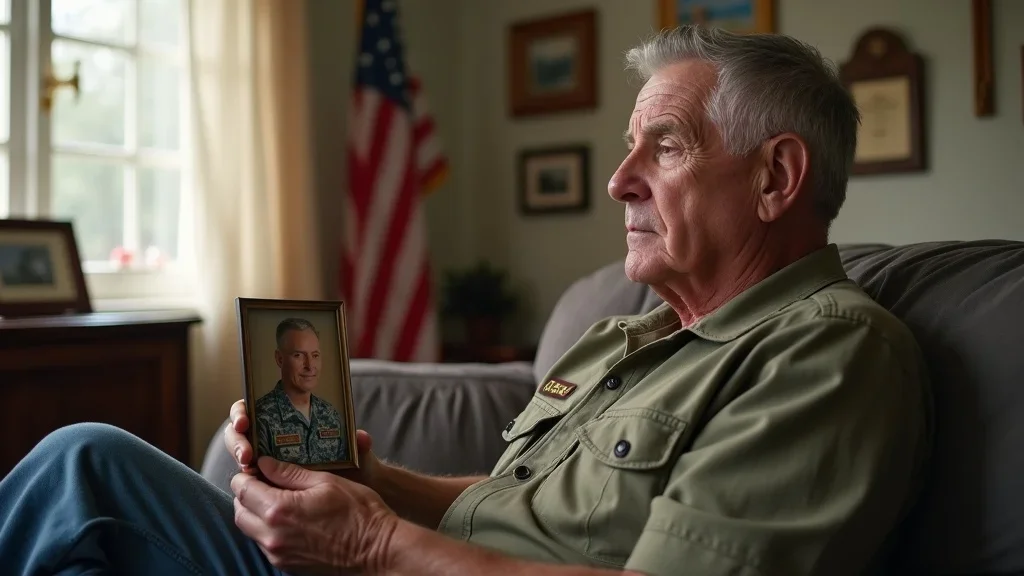
Navigating the Complex Behavioral Changes in Veterans with PTSD

Developed from an interview with Dr. Yvonne Smith in July, 2026.When a veteran returns home from combat, the changes they exhibit can be confusing and painful for their loved ones. Spouses often feel a deep disconnect, unsure why their partner seems so different. This article aims to shed light on the veteran PTSD behavioral changes that commonly occur, providing families with expert insights and practical advice for supporting recovery. Understanding these behaviors is a crucial step in fostering healing and rebuilding relationships.Explore common behavioral changes in veterans with PTSDUnderstand the challenges faced by family members and spousesLearn expert insights on managing and supporting recoveryOverview of PTSD Symptoms and Veteran PTSD Behavioral ChangesDefining PTSD and Traumatic Stress Disorder in VeteransPost-Traumatic Stress Disorder (PTSD) is a mental health condition triggered by experiencing or witnessing a traumatic event. For many veterans, combat exposure instigates a complex array of psychological responses that can profoundly alter their behavior and outlook on life. PTSD is not simply about recurring memories but involves deep psychological and physiological alterations that affect daily functioning.PTSD in veterans often goes beyond flashbacks and anxiety; it influences emotions, relationships, and social interactions. Understanding PTSD as a multifaceted traumatic stress disorder is essential for families trying to support a loved one. These changes often manifest as pronounced behavioral shifts, leaving families confused and overwhelmed by the new realities of living with someone affected by combat trauma.Common PTSD Symptoms Observed in Combat VeteransCombat veterans with PTSD frequently exhibit symptoms such as hypervigilance, insomnia, emotional numbing, and intense reactions to triggers related to their trauma. However, beyond these familiar symptoms, there are significant behavioral changes that deeply impact family dynamics. These include withdrawal from social life, challenges with controlling emotions, and difficulty maintaining intimate relationships.Dr. Yvonne Smith, of Smith Psychological Services, explains, “Veteran PTSD behavioral changes often include self-isolation, lack of impulse control, and decreased intimacy, which are frequently misunderstood by family members. ” Recognizing these behaviors as symptoms, rather than personal failings or deliberate actions, is key in offering compassionate support.Key Veteran PTSD Behavioral Changes and Their MisinterpretationsSelf-Isolation: Understanding Withdrawal Without Personal RejectionSelf-isolation is one of the primary behavioral changes seen in veterans returning with PTSD. Veterans may withdraw from family dinners, avoid social interactions, and prefer seclusion in private spaces. While this is a common symptom, spouses and family members often internalize this withdrawal as a form of rejection or emotional abandonment.Dr. Smith emphasizes that "self-isolation is a defense mechanism, not a personal rejection. " Veterans isolate themselves to manage overwhelming feelings and intrusive memories. Families misinterpreting this as rejection can experience hurt and confusion, further straining relationships. Learning to see self-isolation in the context of PTSD helps families maintain empathy and patience.Lack of Impulse Control: Managing Anger and Emotional DysregulationAnother major veteran PTSD behavioral change is the difficulty in regulating emotions and impulses. Many veterans return with heightened anger, irritability, and aggressive reactions that can be frightening for family members. This emotional dysregulation stems from trauma-induced rewiring of the brain’s response mechanisms and is not a choice or character flaw.Spouses often describe feeling like they are “walking on eggshells” around their veteran partner due to unpredictable outbursts. Understanding that this lack of impulse control is a symptom of PTSD allows families to respond with compassion rather than judgment, creating safer environments conducive to healing.Decreased Affection and Intimacy: Psychophysiological Effects on RelationshipsDecreased affection and intimacy rank among the most challenging behaviors to understand in veteran partners. Dr. Smith reveals, “The psychophysiological reasons behind decreased intimacy in veterans with PTSD have nothing to do with their spouse but are a direct result of trauma and reconditioning. ” This often leads spouses to feel personally rejected, further complicating emotional closeness.The trauma alters physiological responses, creating barriers to intimacy that can only be addressed through time and treatment. Recognizing this helps couples develop patience and seek appropriate therapy to rebuild connection.The Role of Family Members and Spouses in Supporting Veterans with PTSDCommon Misunderstandings Among Family Members Regarding PTSD SymptomsFamily members frequently misunderstand the behaviors exhibited by veterans with PTSD. They might take self-isolation and anger personally, believing the veteran is intentionally pushing them away or rejecting them. These misconceptions create emotional distance, making it harder to provide the support the veteran needs.Education about the nature of PTSD is crucial. Dr. Smith advises that families need to grasp the trauma’s impact on behavior to move beyond blame and frustration. This understanding transforms the way families interact with their loved ones and opens pathways for collective healing.Effective Communication: Learning to Listen Without Acting as TherapistOne of the most important roles a spouse can play is to listen without trying to become the veteran’s therapist. Often, family members feel compelled to fix or analyze, but this can lead to frustration and resistance. Instead, practicing patient, non-judgmental listening offers emotional safety.Dr. Smith advises, “Spouses should focus on listening and offering support rather than trying to be the therapist, which can often lead to frustration and misunderstanding. ” Being a compassionate listener while encouraging professional treatment helps maintain healthy boundaries and promotes recovery.Encouraging Treatment and Setting Healthy BoundariesEncouragement toward seeking professional help is vital yet must be handled delicately. Veterans may resist treatment for fear of stigma or career impact. Families can gently promote therapy and support without pressuring, reminding their loved ones that seeking help is a sign of strength.Equally important is maintaining healthy boundaries. Spouses should practice self-care and avoid taking behaviors personally. Sharing the recovery journey together with clear limits fosters resilience for both the veteran and family members.Treatment Options and Managing Veteran PTSD Behavioral ChangesCommitted Treatment Programs: The Foundation for HealingCommitment to a structured treatment program is the cornerstone of healing from PTSD. Veterans who engage in therapy programs demonstrate readiness to address their trauma and behavioral challenges. Such commitment signifies hope and progress on the path to recovery.Stepwise Progress: Compromise and Gradual Re-engagement in Social ActivitiesHealing from PTSD is a gradual process. Veterans often take small, stepwise steps to re-engage in social and family life. For example, a veteran may initially avoid crowded restaurants but eventually agree to visit a quiet dining spot once or twice a year. These compromises mark important milestones in regaining normalcy and comfort.The goal is sustainable progress rather than rapid change, with families supporting each small victory to build confidence and reduce anxiety.The Importance of Storytelling in PTSD RecoveryAn essential part of recovery involves the veteran telling their trauma story in a safe, therapeutic space. Many veterans have never shared their experiences before seeking help, and the act of narrating their story can be both healing and releasing.Dr. Smith shares, “Most veterans break down the first few times they share their story because they have suppressed it for so long. But when they can tell their story without breaking down, it signals a critical stage of healing. ” Eventually, some veterans even share their journeys publicly to inspire and help others, embodying leadership through healing.Impact of Veteran PTSD Behavioral Changes on the Entire Family SystemDisruption of Family Equilibrium and Emotional Well-beingPTSD’s impact extends from the individual veteran to the entire family system. The return of the veteran disrupts established family routines and equilibrium. Roles shift as spouses adjust from managing everything alone to reintegrating the veteran back into daily life. This transition is often fraught with tension and misunderstanding.The self-isolation and emotional volatility of the veteran can strain relationships, leaving spouses feeling isolated and children confused or afraid. Families must navigate this altered dynamic carefully to restore balance and emotional well-being.Effects on Children: Anxiety, Behavioral, and Learning ChallengesThe ripple effects of PTSD often manifest in children as anxiety, panic attacks, learning difficulties, and behavioral problems. Children may sense the tension or fear triggered by their parent’s symptoms, affecting their development and emotional health.Awareness of these impacts encourages families to seek additional support and therapy focused on the whole family. Addressing children’s needs contributes to long-term resilience and healing within the household.Supporting Family Members Through Education and TherapyComprehensive treatment includes educating and supporting not only the veteran but also family members. Learning about PTSD and receiving counseling equips the family with coping skills and strategies for fostering a supportive environment.Engaging in family therapy helps repair communication, rebuild trust, and establish healthy boundaries, facilitating a collective journey toward recovery.Addressing Intimacy Challenges in Veteran PTSD Behavioral ChangesUnderstanding Psychophysiological Causes of Erectile DysfunctionIntimacy challenges, including erectile dysfunction, often stem from the psychophysiological consequences of trauma. Dr. Smith explains, “There is a psychophysiological reason behind decreased intimacy that has nothing to do with the spouse but everything to do with trauma reconditioning. ” This issue is common and deeply impactful on relationships.Awareness of these causes reduces misunderstanding and blame, paving the way for empathy and medical intervention where appropriate.Therapeutic Approaches for Restoring IntimacyAddressing intimacy requires professional therapy tailored to both partners. Counseling sessions focus on rebuilding trust, communication, and comfort with physical and emotional closeness. It is important that both the veteran and spouse engage in this healing process together.The Importance of Mutual Treatment and Healing for CouplesDr. Smith emphasizes, “Healing intimacy issues requires both partners to engage in treatment and work towards understanding the complex changes caused by PTSD. ” When both spouses commit to therapy, they create a nurturing space where intimacy can gradually be restored.Setting Realistic Goals and Encouraging Transformative HealingThe Role of Transformative Leadership in PTSD RecoveryRecovery from PTSD can lead to transformative leadership, where veterans channel their experiences into advocacy, education, and helping others. This movement from healing to leadership marks a profound personal and social evolution.Stepwise Goal Setting for Sustainable ProgressSetting achievable goals in treatment helps veterans maintain momentum and avoid overwhelm. Small, consistent steps like re-establishing family dinners or social outings foster confidence and resilience. This pragmatic approach builds a stable foundation for long-term healing.From Healing to Leadership: Veterans Sharing Their StoriesMany veterans find purpose in sharing their trauma and recovery stories publicly. This act not only reinforces their own healing but also inspires and supports others facing similar battles. Transforming pain into leadership creates a legacy of hope and resilience.People Also AskWhat are the most common veteran PTSD behavioral changes?Self-isolation and withdrawal from social activitiesDifficulty controlling impulses and angerReduced affection and intimacy in relationshipsHow can family members support a veteran with PTSD?Learn to listen without judgment or trying to fixEncourage professional treatment gently and consistentlySet healthy boundaries and practice self-careWhat does healing from PTSD look like for veterans?Commitment to treatment programsGradual re-engagement with social and family lifeAbility to share trauma stories without emotional breakdownTransforming personal experience into leadership and advocacyBehavioral ChangeCommon MisinterpretationRecommended Support StrategiesSelf-IsolationPersonal rejection or withdrawalOffer non-judgmental listening, avoid forcing social interactionLack of Impulse ControlDeliberate anger or hostilityPractice patience, encourage emotional regulation techniquesDecreased IntimacyLoss of love or interestUnderstand psychophysiological causes, support couples therapyConclusion: Supporting Veterans and Families Through Understanding and CompassionVeteran PTSD behavioral changes are complex and often misunderstoodEducation and communication are key for family supportHealing is a gradual, transformative process requiring commitmentProfessional treatment and mutual support foster recovery and resilienceDr. Yvonne Smith concludes, “By fostering understanding and compassion, families can become a vital part of the healing journey for veterans with PTSD. ”For introduction to Dr. Smith, please call: 910-208-4027This article was developed from an interview with Dr. Yvonne Smith.

 The pulse of modern wellness.

COMPANY

  • Privacy Policy
  • Terms of Use
  • Advertise
  • Contact Us
  • Menu 5
  • Menu 6

ABOUT THE JOURNAL

Health Line Journal spotlights wellness professionals, health innovations, and stories that matter to real people. From chiropractors to life coaches, this is a destination for health-conscious readers and professionals alike.

© 2025 CompanyName All Rights Reserved. Address . Contact Us . Terms of Service . Privacy Policy

Terms of Service

Privacy Policy

Core Modal Title

Sorry, no results found

You Might Find These Articles Interesting

T
Please Check Your Email
We Will Be Following Up Shortly
*
*
*