
Health Line Journal
  • Home
  • Categories
    • Holistic Health
    • Community Health
    • Everyday Wellness
    • Behind the Practice
    • Health Products
    • Wellness Travel
    • Life and Health
August 06.2026
1 Minute Read

Navigating the Complex Behavioral Changes in Veterans with PTSD

Developed from an interview with Dr. Yvonne Smith in July, 2026.

When a veteran returns home from combat, the changes they exhibit can be confusing and painful for their loved ones. Spouses often feel a deep disconnect, unsure why their partner seems so different. This article aims to shed light on the veteran PTSD behavioral changes that commonly occur, providing families with expert insights and practical advice for supporting recovery. Understanding these behaviors is a crucial step in fostering healing and rebuilding relationships.

  • Explore common behavioral changes in veterans with PTSD

  • Understand the challenges faced by family members and spouses

  • Learn expert insights on managing and supporting recovery

Thoughtful military veteran at home showing mild concern, holding family photo – portraying veteran PTSD behavioral changes

Overview of PTSD Symptoms and Veteran PTSD Behavioral Changes

Defining PTSD and Traumatic Stress Disorder in Veterans

Post-Traumatic Stress Disorder (PTSD) is a mental health condition triggered by experiencing or witnessing a traumatic event. For many veterans, combat exposure instigates a complex array of psychological responses that can profoundly alter their behavior and outlook on life. PTSD is not simply about recurring memories but involves deep psychological and physiological alterations that affect daily functioning.

PTSD in veterans often goes beyond flashbacks and anxiety; it influences emotions, relationships, and social interactions. Understanding PTSD as a multifaceted traumatic stress disorder is essential for families trying to support a loved one. These changes often manifest as pronounced behavioral shifts, leaving families confused and overwhelmed by the new realities of living with someone affected by combat trauma.

Common PTSD Symptoms Observed in Combat Veterans

Combat veterans with PTSD frequently exhibit symptoms such as hypervigilance, insomnia, emotional numbing, and intense reactions to triggers related to their trauma. However, beyond these familiar symptoms, there are significant behavioral changes that deeply impact family dynamics. These include withdrawal from social life, challenges with controlling emotions, and difficulty maintaining intimate relationships.

Dr. Yvonne Smith, of Smith Psychological Services, explains, “Veteran PTSD behavioral changes often include self-isolation, lack of impulse control, and decreased intimacy, which are frequently misunderstood by family members. ” Recognizing these behaviors as symptoms, rather than personal failings or deliberate actions, is key in offering compassionate support.

Key Veteran PTSD Behavioral Changes and Their Misinterpretations

Self-Isolation: Understanding Withdrawal Without Personal Rejection

Self-isolation is one of the primary behavioral changes seen in veterans returning with PTSD. Veterans may withdraw from family dinners, avoid social interactions, and prefer seclusion in private spaces. While this is a common symptom, spouses and family members often internalize this withdrawal as a form of rejection or emotional abandonment.

Dr. Smith emphasizes that "self-isolation is a defense mechanism, not a personal rejection. " Veterans isolate themselves to manage overwhelming feelings and intrusive memories. Families misinterpreting this as rejection can experience hurt and confusion, further straining relationships. Learning to see self-isolation in the context of PTSD helps families maintain empathy and patience.

Somber veteran sitting alone in dimly lit room reflecting on veteran PTSD behavioral changes

Lack of Impulse Control: Managing Anger and Emotional Dysregulation

Another major veteran PTSD behavioral change is the difficulty in regulating emotions and impulses. Many veterans return with heightened anger, irritability, and aggressive reactions that can be frightening for family members. This emotional dysregulation stems from trauma-induced rewiring of the brain’s response mechanisms and is not a choice or character flaw.

Spouses often describe feeling like they are “walking on eggshells” around their veteran partner due to unpredictable outbursts. Understanding that this lack of impulse control is a symptom of PTSD allows families to respond with compassion rather than judgment, creating safer environments conducive to healing.

Decreased Affection and Intimacy: Psychophysiological Effects on Relationships

Decreased affection and intimacy rank among the most challenging behaviors to understand in veteran partners. Dr. Smith reveals, “The psychophysiological reasons behind decreased intimacy in veterans with PTSD have nothing to do with their spouse but are a direct result of trauma and reconditioning. ” This often leads spouses to feel personally rejected, further complicating emotional closeness.

The trauma alters physiological responses, creating barriers to intimacy that can only be addressed through time and treatment. Recognizing this helps couples develop patience and seek appropriate therapy to rebuild connection.

The Role of Family Members and Spouses in Supporting Veterans with PTSD

Common Misunderstandings Among Family Members Regarding PTSD Symptoms

Family members frequently misunderstand the behaviors exhibited by veterans with PTSD. They might take self-isolation and anger personally, believing the veteran is intentionally pushing them away or rejecting them. These misconceptions create emotional distance, making it harder to provide the support the veteran needs.

Education about the nature of PTSD is crucial. Dr. Smith advises that families need to grasp the trauma’s impact on behavior to move beyond blame and frustration. This understanding transforms the way families interact with their loved ones and opens pathways for collective healing.

Concerned spouse gently supporting veteran, demonstrating compassionate veteran PTSD behavioral changes support

Effective Communication: Learning to Listen Without Acting as Therapist

One of the most important roles a spouse can play is to listen without trying to become the veteran’s therapist. Often, family members feel compelled to fix or analyze, but this can lead to frustration and resistance. Instead, practicing patient, non-judgmental listening offers emotional safety.

Dr. Smith advises, “Spouses should focus on listening and offering support rather than trying to be the therapist, which can often lead to frustration and misunderstanding. ” Being a compassionate listener while encouraging professional treatment helps maintain healthy boundaries and promotes recovery.

Encouraging Treatment and Setting Healthy Boundaries

Encouragement toward seeking professional help is vital yet must be handled delicately. Veterans may resist treatment for fear of stigma or career impact. Families can gently promote therapy and support without pressuring, reminding their loved ones that seeking help is a sign of strength.

Equally important is maintaining healthy boundaries. Spouses should practice self-care and avoid taking behaviors personally. Sharing the recovery journey together with clear limits fosters resilience for both the veteran and family members.

Treatment Options and Managing Veteran PTSD Behavioral Changes

Committed Treatment Programs: The Foundation for Healing

Commitment to a structured treatment program is the cornerstone of healing from PTSD. Veterans who engage in therapy programs demonstrate readiness to address their trauma and behavioral challenges. Such commitment signifies hope and progress on the path to recovery.

Supportive therapy session with compassionate therapist listening to veteran sharing trauma related to veteran PTSD behavioral changes

Stepwise Progress: Compromise and Gradual Re-engagement in Social Activities

Healing from PTSD is a gradual process. Veterans often take small, stepwise steps to re-engage in social and family life. For example, a veteran may initially avoid crowded restaurants but eventually agree to visit a quiet dining spot once or twice a year. These compromises mark important milestones in regaining normalcy and comfort.

The goal is sustainable progress rather than rapid change, with families supporting each small victory to build confidence and reduce anxiety.

The Importance of Storytelling in PTSD Recovery

An essential part of recovery involves the veteran telling their trauma story in a safe, therapeutic space. Many veterans have never shared their experiences before seeking help, and the act of narrating their story can be both healing and releasing.

Dr. Smith shares, “Most veterans break down the first few times they share their story because they have suppressed it for so long. But when they can tell their story without breaking down, it signals a critical stage of healing. ” Eventually, some veterans even share their journeys publicly to inspire and help others, embodying leadership through healing.

Impact of Veteran PTSD Behavioral Changes on the Entire Family System

Disruption of Family Equilibrium and Emotional Well-being

PTSD’s impact extends from the individual veteran to the entire family system. The return of the veteran disrupts established family routines and equilibrium. Roles shift as spouses adjust from managing everything alone to reintegrating the veteran back into daily life. This transition is often fraught with tension and misunderstanding.

The self-isolation and emotional volatility of the veteran can strain relationships, leaving spouses feeling isolated and children confused or afraid. Families must navigate this altered dynamic carefully to restore balance and emotional well-being.

Effects on Children: Anxiety, Behavioral, and Learning Challenges

The ripple effects of PTSD often manifest in children as anxiety, panic attacks, learning difficulties, and behavioral problems. Children may sense the tension or fear triggered by their parent’s symptoms, affecting their development and emotional health.

Awareness of these impacts encourages families to seek additional support and therapy focused on the whole family. Addressing children’s needs contributes to long-term resilience and healing within the household.
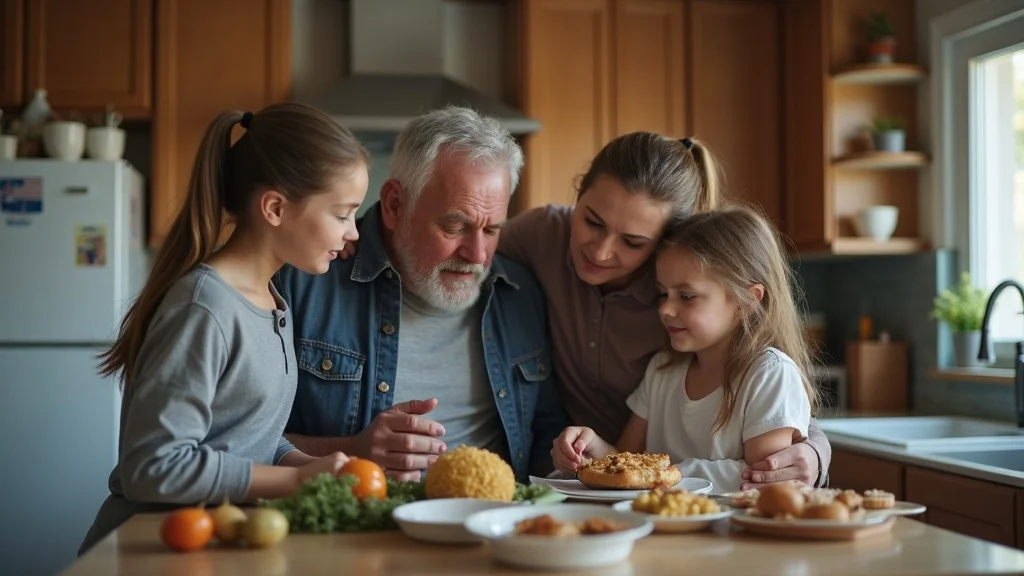
Family with veteran showing subtle tension, illustrating veteran PTSD behavioral changes impact on family system

Supporting Family Members Through Education and Therapy

Comprehensive treatment includes educating and supporting not only the veteran but also family members. Learning about PTSD and receiving counseling equips the family with coping skills and strategies for fostering a supportive environment.

Engaging in family therapy helps repair communication, rebuild trust, and establish healthy boundaries, facilitating a collective journey toward recovery.

Addressing Intimacy Challenges in Veteran PTSD Behavioral Changes

Understanding Psychophysiological Causes of Erectile Dysfunction

Intimacy challenges, including erectile dysfunction, often stem from the psychophysiological consequences of trauma. Dr. Smith explains, “There is a psychophysiological reason behind decreased intimacy that has nothing to do with the spouse but everything to do with trauma reconditioning. ” This issue is common and deeply impactful on relationships.

Awareness of these causes reduces misunderstanding and blame, paving the way for empathy and medical intervention where appropriate.

Therapeutic Approaches for Restoring Intimacy

Addressing intimacy requires professional therapy tailored to both partners. Counseling sessions focus on rebuilding trust, communication, and comfort with physical and emotional closeness. It is important that both the veteran and spouse engage in this healing process together.

The Importance of Mutual Treatment and Healing for Couples

Dr. Smith emphasizes, “Healing intimacy issues requires both partners to engage in treatment and work towards understanding the complex changes caused by PTSD. ” When both spouses commit to therapy, they create a nurturing space where intimacy can gradually be restored.

Setting Realistic Goals and Encouraging Transformative Healing

The Role of Transformative Leadership in PTSD Recovery

Recovery from PTSD can lead to transformative leadership, where veterans channel their experiences into advocacy, education, and helping others. This movement from healing to leadership marks a profound personal and social evolution.

Stepwise Goal Setting for Sustainable Progress

Setting achievable goals in treatment helps veterans maintain momentum and avoid overwhelm. Small, consistent steps like re-establishing family dinners or social outings foster confidence and resilience. This pragmatic approach builds a stable foundation for long-term healing.

Inspirational veteran confidently speaking at community event sharing recovery journey, symbolizing veteran PTSD behavioral changes transformation

From Healing to Leadership: Veterans Sharing Their Stories

Many veterans find purpose in sharing their trauma and recovery stories publicly. This act not only reinforces their own healing but also inspires and supports others facing similar battles. Transforming pain into leadership creates a legacy of hope and resilience.

People Also Ask

What are the most common veteran PTSD behavioral changes?

  • Self-isolation and withdrawal from social activities

  • Difficulty controlling impulses and anger

  • Reduced affection and intimacy in relationships

How can family members support a veteran with PTSD?

  • Learn to listen without judgment or trying to fix

  • Encourage professional treatment gently and consistently

  • Set healthy boundaries and practice self-care

What does healing from PTSD look like for veterans?

  • Commitment to treatment programs

  • Gradual re-engagement with social and family life

  • Ability to share trauma stories without emotional breakdown

  • Transforming personal experience into leadership and advocacy

Behavioral Change

Common Misinterpretation

Recommended Support Strategies

Self-Isolation

Personal rejection or withdrawal

Offer non-judgmental listening, avoid forcing social interaction

Lack of Impulse Control

Deliberate anger or hostility

Practice patience, encourage emotional regulation techniques

Decreased Intimacy

Loss of love or interest

Understand psychophysiological causes, support couples therapy

Conclusion: Supporting Veterans and Families Through Understanding and Compassion

  • Veteran PTSD behavioral changes are complex and often misunderstood

  • Education and communication are key for family support

  • Healing is a gradual, transformative process requiring commitment

  • Professional treatment and mutual support foster recovery and resilience

Dr. Yvonne Smith concludes, “By fostering understanding and compassion, families can become a vital part of the healing journey for veterans with PTSD. ”

For introduction to Dr. Smith, please call: 910-208-4027

This article was developed from an interview with Dr. Yvonne Smith.

Life and Health

0 Comments

Write A Comment

*
*
Please complete the captcha to submit your comment.
Related Posts All Posts
08.04.2026

Do Hair Growth Supplements Work? The Truth Behind Hair Loss Remedies

Update Understanding Hair Loss: The Genetic FactorDid you know that by the time we reach our 50s, approximately 50% of us will contend with some level of hair loss? This phenomenon affects both men and women, but interestingly, the root causes of hair loss are not what most people think. Contrary to the common belief that excessive washing or brushing may lead to baldness, research substantiates that genetics play a crucial role. Studies indicate that the heritability of baldness in men is a staggering 79%, suggesting that genetic predispositions account for most cases of hair thinning or loss.However, external factors can exacerbate this condition. For instance, identical twins can display drastically different hair loss patterns, influenced by lifestyle choices such as stress levels, smoking habits, or health histories. Stress has been shown to significantly impact hair health, with some studies correlating high stress levels with premature hair loss. Furthermore, smoking introduces harmful compounds that could damage the DNA in our hair follicles, compounding the genetic risks. An insight into how lifestyle choices can affect hair loss is essential for both preventative measures and treatment considerations. The Impact of Diet: Heavy Metals and DeficienciesA fascinating case study illustrates how dietary choices can directly impact hair loss. A woman suffering from hair thinning later discovered elevated mercury levels in her blood, linked to her high consumption of tuna. Following dietary changes, her hair growth returned after eliminating fish from her diet. This case sheds light on an often-overlooked aspect of hair health—the potential harm of heavy metals commonly found in seafood. Recognizing the great differences in dietary habits can offer insights into how they might correlate with health outcomes, including hair loss.*While nutrient deficiencies can lead to hair loss, particularly after significant surgeries like bariatric procedures, the common belief that vitamin and mineral supplementation universally promotes hair regrowth lacks scientific backing.* For example, although severe vitamin C deficiency can cause hair loss, this is typically not an issue for those with a well-rounded diet. Thus, understanding individual dietary needs is essential. In some communities, especially those with limited access to a variety of foods, awareness around proper nutrition could help mitigate hair loss resulting from deficiencies. Do Hair Growth Supplements Really Work?When it comes to hair growth supplements, popular ingredients like biotin and zinc are often touted as miracle cures. Yet, the reality is more nuanced. Research indicates that hair loss due to biotin deficiency is rare in otherwise healthy adults consuming a balanced diet. While some might experience improvements from supplementation, the lack of evidence supporting biotin as a hair growth stimulant leaves doubts about its efficacy for the average person. Additionally, the excitement around supplements can often overshadow effective natural approaches to hair care.Similar findings emerge for zinc and iron supplements, which are vital when a deficiency is present but generally ineffective for individuals with normal resistance levels. Thus, while certain supplements might be beneficial in special circumstances, they are unlikely to address hair loss effectively if no deficiency is present. Taking excessive amounts can even result in unwanted side effects, including toxicity. This highlights the importance of not only knowing one's body but also consulting with a healthcare provider before starting any supplementation regimen.It's crucial for individuals seeking to enhance hair health to recognize that not all supplements are created equal. Some products on the market may claim extensive benefits without robust scientific evidence to back such assertions. For consumers inundated with options and marketing claims, an approach centered on scientific realism is paramount. Alternative Solutions for Hair LossConsidering the potential risks associated with unnecessary supplementation, individuals grappling with hair loss should explore safer, medically-backed solutions. Consultation with healthcare providers is crucial for getting proper screening for underlying metabolic issues that could contribute to hair loss, such as hormonal imbalances or heavy metal toxicity. This form of intervention can help target the core issues leading to hair loss, rather than merely treating the symptoms.Moreover, lifestyle changes—such as reducing stress through relaxation techniques, maintaining a balanced and nutrient-rich diet, and avoiding harmful substances like tobacco—can support healthier hair growth long term. Integrating professional advice or therapies can also provide personalized pathways to managing hair health. Regular exercise, a routine mindful practice such as yoga or meditation, and staying hydrated can also profoundly impact hair health, illustrating the interconnectedness of body wellness with hair vitality. Broader Implications in Hair Health AwarenessUnderstanding the real causes of hair loss can empower individuals to make informed choices. Many myths surrounding hair care and growth, often perpetuated by misleading advertisements or anecdotal evidence, contribute to confusion and ineffective treatments. By distinguishing between fact and fiction, consumers can avoid wasting resources on unproven supplements and instead focus on proven methods that support overall well-being and hair health.In summation, while the temptation to rely on hair growth supplements is strong, moderation and a greater understanding of individual health factors are vital. True progress in managing hair loss lies in a comprehensive approach encompassing genetics, lifestyle, and proactive health measures. Individuals should feel encouraged to prioritize holistic solutions over quick fixes, recognizing their unique bodies and the various factors that contribute to hair health.

07.31.2026

Exploring Why Protein Source Matters More Than Quantity

Update The Protein Revolution: Rethinking Nutritional Needs When we think about protein, often the conversation revolves around quantity: how much do we need? However, recent discussions have sparked a new but pressing question—does the source of our protein matter just as much, if not more? As nutritional science evolves, it’s becoming increasingly clear that the quality and origin of the protein we consume can significantly influence our health and wellbeing. Understanding Protein Sources Protein is a fundamental nutrient that plays numerous roles in the body, from repairing tissues to making enzymes and hormones. The debate around protein sources is emerging because not all proteins are created equal. For example, animal-based proteins often come packaged with saturated fat, cholesterol, and other substances that might contribute to chronic diseases such as heart disease and diabetes. In contrast, plant-based proteins, such as legumes, nuts, and grains, offer fiber, antioxidants, and other beneficial compounds without the negative baggage. This shift calls for a more nuanced understanding of dietary protein, prompting consumers to focus not just on the amount of protein they consume, but significantly on the quality of those proteins. Health Implications of Protein Sources Emerging research suggests a strong link between the type of protein consumed and overall health. Studies indicate that higher consumption of plant-based proteins is associated with a lower risk of heart disease, certain cancers, and type 2 diabetes. Additionally, incorporating more plant protein into one’s diet can aid in maintaining a healthy weight and contribute to improved metabolic health. These findings underscore the need to shift our dietary focus towards plant-based sources, especially as more people become health-conscious and interested in preventative healthcare measures. According to recent studies, adjusting protein sources in our diets can also aid in better weight management. Individuals exploring the benefits of plant-based diets should consider the wide variety of options available, such as beans, lentils, and high-protein grains like quinoa and farro. Impacts on Sustainability and Ethics The conversation about protein sources also intertwines with issues of sustainability and ethics. The environmental impact of animal agriculture is substantial, with meat production contributing to greenhouse gas emissions, deforestation, and exorbitant water usage. In fact, estimates suggest that meat production can use up to 10 times more water than plant-based foods like beans and vegetables. A plant-based diet not only reduces these impacts but also promotes a more sustainable and ethically sound approach to eating. Individuals interested in contributing positively to the environment may consider diversifying their protein sources as part of a broader effort towards sustainability. By making conscious choices about protein consumption, consumers can help lessen the burden on our planet’s natural resources while simultaneously supporting ethical treatment of animals. The Role of Education and Awareness As this protein debate unfolds, it’s crucial to educate ourselves on the implications of our dietary choices. Understanding the differences between various protein sources empowers individuals to make informed choices that align with their health goals and values. Nutrition education initiatives can enhance this understanding, emphasizing the importance of turning towards high-quality, nutrient-dense proteins and away from those that could harm our health. Community workshops, online resources, and cooking classes can play an integral role in spreading awareness and knowledge, encouraging people to embrace a more balanced diet. Possible Misconceptions Around Protein Intake Common myths also cloud the nutritional landscape. For instance, many believe that one must eat a large amount of protein daily to stay healthy, but this is more nuanced. The necessary amount of protein depends on factors such as age, activity level, and overall health. Active individuals may require more protein to support muscle repair, but this doesn't mean that all protein needs to come from animal sources. Plant-based protein sources can provide adequate nutrition when consumed properly, making it crucial to bust these myths surrounding protein intake. It’s essential for consumers to seek reliable sources of nutritional information and consult health professionals to cater their diets to their unique physiological needs. Planning a Balanced Protein Diet For those looking to transition towards a diet rich in plant-based proteins, it may seem daunting. However, incorporating varieties such as tofu, quinoa, lentils, and beans can create a balanced and wholesome diet. Simple meal prep strategies—like batch cooking legumes or trying meatless meal days—can ease this transition while supporting a sustainable eating pattern. For individuals seeking inspiration, meal planning apps and recipe blogs focused on plant-based cooking can provide endless ideas for delicious and nutritious meals. Engaging with local farmers' markets can also introduce seasonal fruits and vegetables into one’s diet, enhancing overall dietary diversity. Conclusion: The Future of Protein Consumption As we navigate this evolving narrative around protein, the key takeaway is the importance of reconsidering not just how much protein we consume, but also where it comes from. Quality matters. By prioritizing plant-based sources, we can improve our health outcomes and contribute positively to our environment, making choices that reflect our values and well-being. The trend toward plant-based eating not only promotes better health but also aligns with a growing awareness surrounding the interconnectedness of our dietary choices and their broader implications on global sustainability. As consumers, we hold the power to drive demand for healthier, more sustainable food systems that can ultimately benefit both our health and the planet's future.

07.28.2026

Discovering the Truth: Are Potassium Chloride Salt Substitutes Safe?

Update Understanding Potassium Chloride as a Salt Substitute The search for healthier alternatives in our diets has led many to explore salt substitutes like potassium chloride. While table salt primarily contributes sodium, potassium chloride offers a vital mineral that many may need more of in their diets. Recent research indicates that despite the taste difference in some dishes, potassium chloride can be an effective and appealing substitute for salt without compromising flavor in all foods. The Role of Potassium and Sodium in Our Diets Potassium plays a critical role in regulating blood pressure and overall bodily function. It helps in muscle contraction, nerve transmission, and maintaining fluid balance. In contrast, excessive sodium intake is linked to hypertension, which is a significant risk factor for cardiovascular diseases. In fact, high blood pressure is responsible for more than 10 million deaths annually. As we pivot away from potassium-rich foods, such as fresh fruits and vegetables, and lean more toward processed foods high in sodium, the balance of these two minerals becomes increasingly important. Unfortunately, many modern diets have shifted to being overwhelmingly high in sodium and low in essential nutrients. This dietary trend not only contributes to high blood pressure but also increases the risk of stroke and heart disease. Thus, education on proper mineral balance, particularly the benefits of increasing potassium intake, becomes vital for public health. Why Potassium Chloride Works According to a comprehensive meta-analysis of randomized controlled trials, substituting sodium chloride with potassium chloride effectively lowers blood pressure. This shift not only accommodates those with high sodium intake but can also reduce the risk for those already suffering from hypertension, thus becoming an integral recommendation for managing blood pressure. Additionally, many studies suggest that populations with high potassium intake typically experience lower rates of elevated blood pressure and related illnesses. The Taste Factor: Can We Do Without Table Salt? Switching to potassium chloride does come with a caveat. While some foods may not taste as good when seasoned with potassium chloride, many people, particularly those who reduce their sodium intake over time, report significant changes in their taste preferences. Cooking is often a personal experience, and individuals may find joy in exploring new flavors as they switch to potassium chloride. Individuals who might gag at the thought of using potassium on certain foods can discover that their evolving palate allows them to enjoy healthy meals without overwhelmingly salty flavors. Cooking and seasoning with potassium chloride might take some getting used to, but creativity in the kitchen can pave the way for enjoyable meals. Over time, the detrimental effects of excessive sodium can be outweighed by the health benefits derived from potassium-rich foods. Safety of Potassium Chloride: What Should You Know? Potassium chloride is deemed 'generally regarded as safe' (GRAS) by the U.S. Food and Drug Administration. For healthy individuals, the kidneys efficiently balance potassium through urine excretion, allowing many to incorporate this substitute without issue. However, monitoring potassium levels is crucial, especially for individuals with kidney concerns, as impaired kidney function may lead to potassium retention, which can be dangerous. It's essential for individuals with existing health conditions—including heart disease, diabetes, or kidney issues—to consult with a healthcare provider before making dietary changes. Personalized medical advice can help identify safe potassium levels and dietary strategies tailored to one's health needs. An Evolutionary Perspective on Potassium Intake It’s essential to consider the human evolutionary perspective on potassium intake. Historically, the average diet was rich in potassium, relying heavily on plants that provided this vital nutrient. Current dietary guidelines, however, may be too low for optimal health due to changes in food production and consumption practices. In natural, whole-food diets, potassium intake could reach levels as high as 15,000 mg daily, significantly more than what modern diets provide—sometimes less than 2,000 mg. This backslide in potassium consumption points to a broader public health issue. As our diets have shifted toward more heavily processed food options that strip away potassium and other essential nutrients, resulting health issues increase. Not only should individuals aim to increase potassium, but the promotion of whole, plant-based foods can lead to widespread health benefits across communities. Practical Tips for Transitioning to a Potassium-Chloride Diet If you're considering the switch to potassium chloride, begin by incorporating it gradually. Start with meals you already enjoy to assess how potassium chloride affects flavor. Experiment with the right ratio that doesn't sacrifice the taste you love and feel free to combine potassium chloride with other herbs and spices to enhance and mask any off-flavors. Additionally, consider using potassium-rich foods like sweet potatoes, beans, and bananas in your meals. Not only will this maximize the health benefits of potassium, but it will also help you find enjoyable, nutritious replacements for your favorite dishes. Embracing a more plant-based lifestyle not only serves your health but also the environment. Potential Risks and Considerations While potassium chloride is beneficial for many, those with kidney diseases should avoid increasing dietary potassium without a health professional's guidance. As potassium levels can ascend dangerously high in vulnerable individuals, it's crucial to have regular check-ups and monitor dietary intake cautiously. Awareness is the first step in ensuring that a personalized approach to potassium intake keeps individuals safe and healthy. Actionable Insights: Making Healthier Choices Overall, substituting potassium chloride for sodium can lead to healthier eating habits and potential reductions in blood pressure. Transitioning to potassium-rich diets emphasizes the intake of more whole foods and minor adjustments in our taste preferences. Over time, such changes can cultivate sustainable, health-conscious decisions that yield numerous health benefits. Seeking balance, when considering sodium and potassium intake, may be a crucial factor in enhancing overall wellness and eliminating health risks associated with high blood pressure.

 The pulse of modern wellness.

COMPANY

  • Privacy Policy
  • Terms of Use
  • Advertise
  • Contact Us
  • Menu 5
  • Menu 6

ABOUT THE JOURNAL

Health Line Journal spotlights wellness professionals, health innovations, and stories that matter to real people. From chiropractors to life coaches, this is a destination for health-conscious readers and professionals alike.

© 2025 CompanyName All Rights Reserved. Address . Contact Us . Terms of Service . Privacy Policy

Terms of Service

Privacy Policy

Core Modal Title

Sorry, no results found

You Might Find These Articles Interesting

T
Please Check Your Email
We Will Be Following Up Shortly
*
*
*