Health Line Journal
  • Home
  • Categories
    • Holistic Health
    • Community Health
    • Everyday Wellness
    • Behind the Practice
    • Health Products
    • Wellness Travel
    • Life and Health
July 29.2026
5 Minutes Read

Why Gateway Foundation Transitioning to Alpharus Health Matters for Mental Wellness

Gateway Foundation transitioning to Alpharus Health announcement.

A New Era Begins: Transitioning to Alpharus Health

The Gateway Foundation, a pillar in the community for over six decades, is embracing a transformative change: it will soon be known as Alpharus Health. This evolution marks not just a change in name but symbolizes a renewed commitment to comprehensive substance use and mental health treatment. As the healthcare landscape evolves, so too must organizations that seek to provide the best care possible for those in need. The significance of this transition brings promise not only to individuals seeking help but also enhances community wellness as a whole.

Understanding the Significance of a Name Change

The name Alpharus Health seeks to embody more than just a fresh identity; it represents the foundation's ambition to expand and enhance its services. With increasing awareness around mental health and substance use, it is essential for treatment providers to adapt and innovate. The renaming also aims to reflect a more holistic approach that encompasses both preventative and responsive measures to mental health and addiction challenges.

Communities often face numerous barriers to effective mental health care, including access to treatment and stigma around seeking assistance. By adopting a new name and identity, Alpharus Health signals a renewed commitment to breaking down these barriers and fostering a more inclusive environment that encourages individuals to seek the support and care they need.

The Importance of Continuity in Care

While a name can change, the mission remains steadfast. The commitment to offering high-quality treatment will not waver despite the rebranding. For patients, this transition assures that familiar faces, trusted methods, and care protocols will continue to be a part of their recovery journey. Patients can rest assured that their relationships with counselors and staff, which are often pivotal in successful treatment, will remain intact.

Continuity of care is paramount in the field of mental health. Studies have shown that stable therapeutic alliances facilitate better treatment outcomes. Therefore, preserving these crucial connections during the transition to Alpharus Health will be a top priority, ensuring that patients maintain their support networks and feel confident in their recovery journeys.

Why Mental Health and Substance Use Treatment Matter

Mental health and substance use disorders affect millions each year, with stigma often preventing individuals from seeking the help they require. By rebranding to Alpharus Health, this organization aims to foster a more inclusive and approachable environment that encourages individuals to reach out for support. Their long-standing reputation enhances the likelihood that community members will feel comfortable accessing these essential services.

The role of education in dismantling stigma cannot be underestimated. With the new focus on outreach and awareness campaigns, Alpharus Health will be able to shed light on the misconceptions that often shroud mental health and addiction issues. By sharing stories of recovery, the organization can illustrate that seeking help is a sign of strength rather than weakness, fostering a culture of empathy and support.

Driving Transformation: Future Opportunities

The evolution to Alpharus Health opens up opportunities for innovation in treatment options. As new technologies emerge, such as telehealth and personalized treatment plans driven by data analytics, the Foundation is well-positioned to integrate these advancements. This can lead to more accessible, effective treatment pathways tailored to individual needs, amplifying the positive impact on communities in the process.

Moreover, the organization plans to invest in training for staff regarding the latest evidence-based practices. By ensuring that their professionals are well-versed in current research, Alpharus Health can provide cutting-edge care that meets the rapidly evolving demands of those they serve. This includes exploring alternative therapies and holistic approaches that treat the whole person, not just symptoms.

Social Impact of Mental Health Awareness

A name change is more than branding; it connects to a larger societal movement towards breaking the stigma associated with mental health and addiction. Organizations like Alpharus Health play a crucial role in shifting perceptions, facilitating open discussions, and creating safe spaces for individuals to embark on their recovery journey. The more we understand and talk about these issues, the healthier our communities become, fostering resilience and support networks for those in need.

Public awareness efforts can have far-reaching implications. When people engage in conversations about mental health and addiction, they begin to dismantle the stereotypes that often hinder recovery. Alpharus Health’s rebranding will coincide with new initiatives aimed at public education, advocating for policy changes, and engaging in community events that provide resources and support.

Personal Stories: The Heart of Recovery

Real-life testimonials speak volumes about the importance of organizations like Gateway Foundation, now Alpharus Health. Stories of recovery highlight the potential for change and inspire others to take that first step towards seeking help. Personal stories serve as powerful motivators and can provide hope to those who feel isolated in their struggles.

By sharing these narratives, not only is awareness raised, but the human side of treatment is emphasized, showing that healing can be a collective journey. It is essential to platform diverse voices and experiences, ensuring that those from various backgrounds see themselves represented in the recovery process. This not only normalizes their experiences but also strengthens community bonds.

What’s Next for Alpharus Health?

The rebranding to Alpharus Health is just the beginning of an exciting new chapter. Looking forward, there are plans to expand services, enhance community outreach, and develop new initiatives that meet the ever-changing needs of those served. The focus will remain on collaboration, ensuring that partnerships with local entities help to better serve the population and address diverse health needs.

Future initiatives may include expanded educational workshops, support groups, and wellness programs that address not just addiction treatment but holistic health and wellness. By expanding the scope of their services, Alpharus Health can ensure that every individual feels recognized and supported throughout their healing journey.

Final Thoughts and Join the Movement

As Gateway Foundation transitions into Alpharus Health, the core mission of providing compassionate care continues stronger than ever. This strategic pivot not only serves to modernize the organization but also reaffirms its commitment to healing, both for individuals and the community at large. Stay engaged and witness the positive transformations as they unfold, shaping a brighter future for mental wellness. Together, as a community, we can break the cycle of stigma and foster an environment where everyone has the opportunity and support to recover and thrive.

Everyday Wellness

0 Comments

Write A Comment

*
*
Please complete the captcha to submit your comment.
Related Posts All Posts
06.04.2026

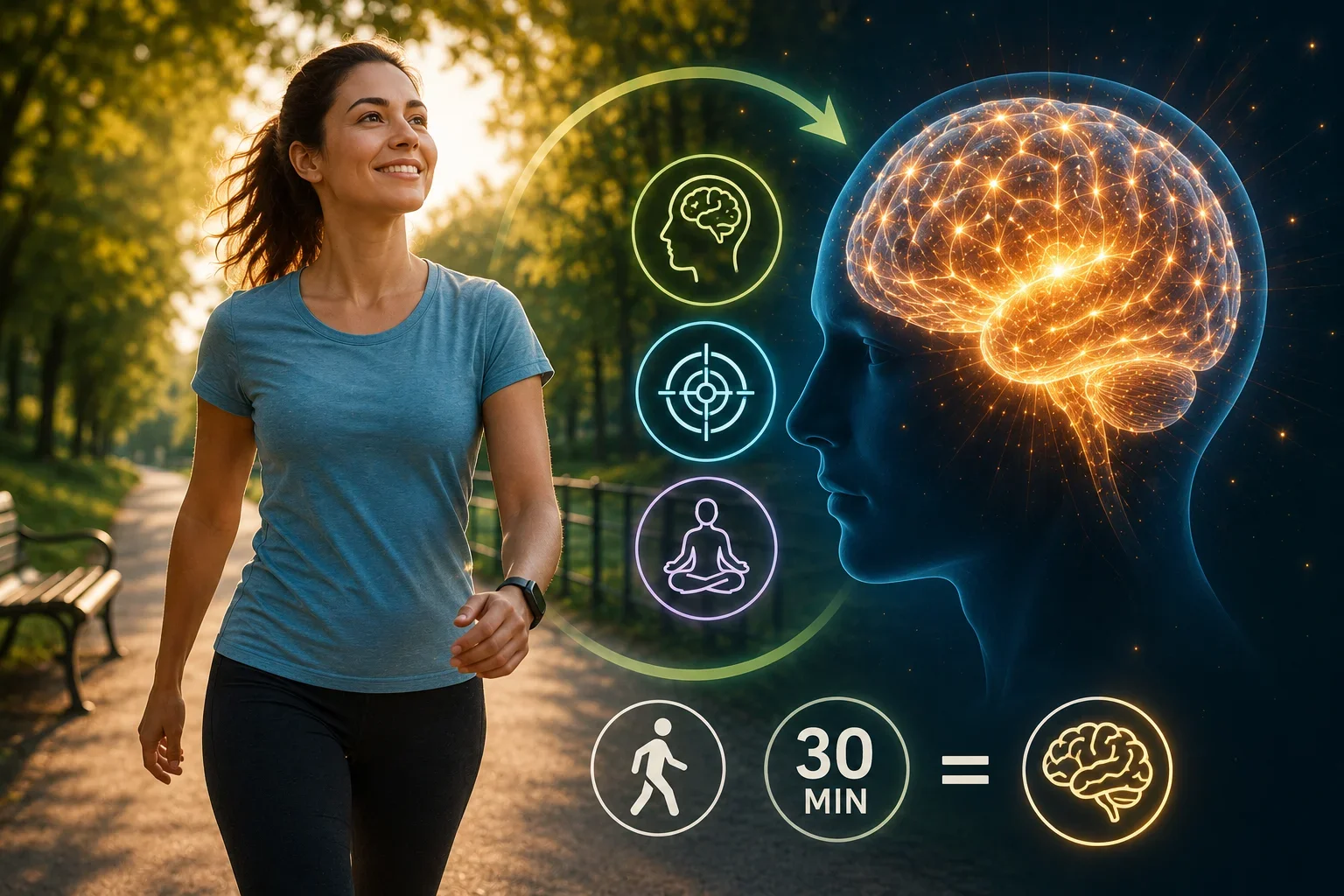
Why Walking Is the Smartest Thing You Can Do for Your Brain — No Gym Required

Did you know just 30 minutes of brisk walking daily can boost memory, sharpen focus, and reduce anxiety, significantly enhancing your brain health? Discover how simple walking transforms your brain’s health and why it might be the smartest, easiest way to enhance cognitive function—no gym membership needed.In this article, we’ll explore the science-backed ways walking improves your brain, offering expert tips, research highlights, and practical steps for anyone—no matter your age or fitness level—to unlock a sharper, healthier mind through regular physical activity.Unlocking Brain Health: The Transformative Effects of Physical ActivityMost people know that physical activity, including brisk walking, is vital for heart health, longevity, and overall brain health. But did you realize that a brisk walk each day is one of the most effective physical activities to improve brain health and cognitive function? Walking requires no expensive equipment or specialized training, but the rewards for your mind are profound. Recent studies and health organizations alike now recommend regular walking for maintaining optimal cognitive function and preventing cognitive decline—benefits that extend to both younger and older adults.The science is compelling: by simply walking for 20–30 minutes a day, you set off a remarkable chain of events in your body and brain. Walking increases blood flow, delivering essential oxygen and nutrients to the brain—a process that supports memory, focus, and emotional balance. Experts point out that this natural movement also stimulates growth of new brain cells, especially in the region called the hippocampus, which is responsible for learning and working memory.Whether you’re managing stress or striving to prevent future cognitive impairment, incorporating walking into your daily life is one of the most accessible, enjoyable ways to sharpen your mind and protect your long-term brain health.How a Daily Brisk Walk Powers Up Your Cognitive FunctionBrisk walking isn’t just a leisurely activity—it acts like a reset button for your brain, delivering key brain benefits that support cognitive function. Taking a brisk walk engages multiple brain regions involved in attention, memory, and problem solving. The gentle rhythmic movement of walking helps stabilize mood, replenish energy, and even spark creativity.According to Harvard Medical School, consistent physical activity like walking has a measurable impact on cognitive performance, particularly in older adults. Scientists have found that regular brisk walking strengthens neural connections and supports brain plasticity, which is crucial for maintaining cognitive function and reducing the risk of cognitive decline.Additionally, brisk walking triggers an increase in blood flow, delivering oxygen and nutrients to vital brain areas, which is essential for brain health and cognitive performance. These changes improve not only short-term recall but also long-term memory and executive functions such as decision-making and working memory. Even small amounts of walking a few days a week have been associated in medical journals with lower rates of cognitive decline and higher scores on tests of cognitive function, compared to a sedentary lifestyle. In essence, if you’re looking for a simple way to boost brain health every day, lacing up your walking shoes is a smart place to start.While walking is a powerful tool for supporting cognitive health, combining it with other wellness strategies—such as mindful nutrition—can further amplify your results. For example, exploring effective strategies to manage food cravings can help you maintain balanced energy and focus, making your daily walks even more beneficial for both mind and body."Walking is nature’s reset button for the brain, improving both memory and mood without requiring special skills or a gym membership." – Dr. Lisa Mosconi, neuroscientist and authorWhat You'll Learn About Ways Walking Improves Your BrainThe neurological benefits of walkingHow brisk walking can reduce risk of cognitive declineKey scientific research supporting walking for brain healthPractical tips for maximizing cognitive function through physical activityQuotes from leading experts in neurology and fitnessWays Walking Improves Your Brain: Foundational Benefits Backed by ScienceWalking has been shown to provide not just physical, but extensive mental benefits that enhance quality of life at every age. A wealth of research confirms that even moderate-paced walking is linked to improved mood, greater mental clarity, and a substantial reduction in the risk of cognitive impairment.For older adults, the act of walking sparks a cascade of positive neurological effects—lowering stress hormones, sharpening attention, and improving emotional resilience. These benefits emerge regardless of whether you walk in a city park or along a quiet neighborhood path.Emerging findings show that frequent walking—especially brisk walking—helps reduce brain inflammation and supports the brain’s ongoing ability to reorganize and form new pathways (a process known as brain plasticity). This means that walking doesn’t just counteract the effects of aging—it actively supports ongoing brain growth and repair, providing everyone, especially older adults, with a natural defense mechanism against cognitive decline and age-related memory loss. Choosing walking over more complex exercise routines means making a smart investment in your mental and physical future.Enhancing Mood and Mental Clarity through WalkingWalking is more than a way to stay physically fit—it’s a daily opportunity to boost your emotional and cognitive well-being. Evidence from neuroscience suggests that regular walking releases endorphins and serotonin, the body’s natural “feel good” chemicals, which in turn help to reduce stress and enhance mood. Walking outdoors, surrounded by green trees and fresh air, further accelerates these effects, reducing anxiety and grounding the mind in the present.In addition to immediate mood uplift, walking supports mental clarity by increasing oxygen supply to the brain and promoting the removal of waste products. As you build a routine, you may notice improved focus, better information recall, and a quieter, more composed mind. This interconnected system makes walking a sustainable practice for managing both short- and long-term mental health challenges—helping everyone to face daily stressors with greater resilience."A moderate-paced walk each day sparks neurogenesis and helps older adults stave off cognitive impairment well into later years." – Harvard Medical School, Health LetterWalking as a Tool to Combat Cognitive Decline in Older AdultsFor older adults, the threat of cognitive impairment and the risk of cognitive decline can be alarming, but regular physical activity like brisk walking offers protective brain benefits. Yet research from both medical journals and government websites shows an optimistic path: regular physical activity, especially walking, can slow and even prevent loss of cognitive ability. In studies of large populations, those who engaged in brisk walking for at least 30 minutes a day, several days a week, showed better memory retention, faster mental response times, and a significantly reduced risk of cognitive decline compared to sedentary peers.The reason is that brisk walking not only delivers oxygen and nutrients to brain tissue but also supports the regeneration of critical memory regions, such as the hippocampus. This brain region shrinks naturally with age, but neuroscientists have found that walking helps keep it robust and active. By prioritizing regular movement, older adults equip themselves with powerful tools to maintain independence, sharp thinking, and emotional balance well into their golden years.Brain Benefits of Walking: Key Ways Physical Activity Supports Cognitive HealthImproved memory retention and recallReduced risk of cognitive impairment and Alzheimer’s diseaseBetter mental resilience against stress and anxietyIncreased brain plasticityBoost in creative thinkingHow Brisk Walking Lowers the Risk of Cognitive DeclineScientists consistently highlight the brain benefits of brisk walking and how this simple physical activity can lower your risk of cognitive decline and cognitive impairment. Initiatives from prominent medical organizations and journals emphasize that walking regularly supports healthy brain blood flow and increases the flexibility of neural connections. Movement, in this sense, isn't just about keeping your muscles active; it's about maintaining the brain’s adaptability and ability to ward off age-related challenges.Many studies have shown that brisk walking—only 30 minutes a day or a few times a week—leads to profound reductions in the likelihood of developing cognitive challenges. The interplay of nutrients, oxygen, and neurotrophic factors released during movement feeds essential brain regions responsible for cognitive performance. When you commit to moving more, you build up a mental “reserve” that protects against future problems—and unlike complex fitness regimens, walking remains an option open to all fitness levels."Regular physical activity like brisk walking is associated with a 35% lower risk of cognitive decline. Movement matters." – Dr. David A. Raichlen, Professor of Human and Evolutionary BiologyThe Science Behind Physical Activity and Brain HealthRegular physical activity, especially brisk walking, drives numerous biological processes critical for brain health and cognitive function. Each step you take prompts the release of neurotrophins—proteins that promote brain cell growth and maintenance. According to researchers, as you increase your step count (at any pace), your brain reciprocates with new neural pathways, enhanced connectivity, and improved resilience against age-related changes. The impact is readily observed in both short-term mood and long-term cognitive capacity, which is why leading doctors and neuroscientists consistently recommend regular walking routines.Moreover, medical journals suggest that the positive changes seen with walking are comparable or even superior to those achieved with other forms of exercise, particularly when it comes to mental sharpness, emotional stability, and risk of cognitive impairment. Regular walking is especially beneficial for older adults, who face naturally declining brain plasticity, but everyone stands to gain from consistently integrating this movement. Below, a review table summarizes the most robust evidence linking walking with better brain health and cognitive function.Scientific Evidence Linking Walking, Brain Benefits, and Cognitive FunctionStudy/SourceParticipantsDurationKey Brain Benefits ReportedAlzheimer's Association, 2017Older adults (65+ years)6 months27% reduction in risk of cognitive decline with walking 3+ days/weekJAMA Neurology, 2018Middle-aged & older adults12–24 monthsIncreased hippocampal volume, improved memory and moodNational Institute on Aging, 2022General (ages 40–90)N/AWalking linked to better attention, working memory, and overall cognitive healthHow to Make Walking a Sustainable Part of Your RoutineIntegrating walking into your lifestyle doesn’t mean sacrificing hours at the gym—rather, it’s about creating mindful, enjoyable opportunities for movement throughout the day. The brain benefits compound over time with consistency, not intensity. Medical professionals often recommend starting with short walks, then building up your duration and intensity gradually. This lowers any intimidation factor, especially for those new to exercise or returning after a break. What matters most is developing lasting habits rather than sporadic bursts of activity.There’s flexibility in how you walk. Indoors or outdoors, alone, or at work, every step counts. Many health organizations suggest that multiple short walks—10 minutes here and there—can provide the same benefits as one longer session. What also matters are variety and making walking rewarding.Consider tracking steps with a smartwatch or inviting a friend to join as an accountability partner. Physical therapists emphasize that the key to brain-boosting movement is regularity and enjoyment, not performance metrics.Practical Tips for Incorporating More Walking into Daily LifeWondering how to take the first step? Try these simple strategies:Take a brisk walk during your lunch break or between meetingsUse a standing desk and walk in place every hourOpt for the stairs instead of the elevator when possiblePair walks with daily activities: make phone calls, listen to podcasts, or chat with a friendSchedule “walking meetings” instead of sitting in a conference roomRemember, brain health benefits are cumulative. Even short bursts—five to ten minutes a day—help you build a foundation for better mental clarity, sharper memory, and long-term resilience against cognitive decline.For many people, integrating walking into a morning or evening routine makes it easier to stay consistent, regardless of seasonal or schedule changes. The result: dependable improvements in mood, focus, and cognitive function that make every day feel a little brighter and more manageable.People Also Ask: Ways Walking Improves Your BrainDoes walking help lower A1c?Walking can contribute to lowering A1c levels by improving insulin sensitivity and supporting overall metabolic health. As a form of physical activity, regular walking helps keep blood sugar levels in check, which indirectly supports both metabolic and brain health.What are 5 signs your brain is in trouble?Common signs include persistent memory loss, confusion, difficulty concentrating, mood swings, and trouble reasoning. Increasing physical activity like walking has been shown to help maintain cognitive function and reduce these risks.Can walking improve your brain?Yes. Numerous studies conclude that walking, particularly brisk walking, enhances brain health by increasing blood flow, promoting neurogenesis, and decreasing the risk of cognitive impairment.Which drink is best for brain memory?Water is essential for optimal brain function and memory. However, drinks rich in antioxidants and polyphenols, like green tea and pure pomegranate juice, have also been found beneficial. Pairing hydration with regular physical activity like walking yields cumulative benefits for the brain.Expert-backed FAQs on Ways Walking Improves Your BrainHow much daily walking is optimal for brain health?Do older adults gain as much brain benefit from walking as younger people?Can walking help prevent dementia or cognitive decline?What’s the difference for cognitive function between walking indoors versus outdoors?Key Takeaways: Why Walking Is Essential for Brain HealthWalking is a scientifically-proven way to improve cognitive function and brain health.Physical activity benefits people of all ages, especially older adults at risk of cognitive impairment.Even brisk walking for short periods can meaningfully lower the risk of cognitive decline.Making walking part of your daily routine requires no special equipment or gym membership.For well-curated articles and expert perspectives, visit NCWellnessHub.comConclusionWalking is your all-access pass to sharper thinking and a healthier brain—start today, and let every step pave the way to lasting cognitive vitality.If you’re inspired to take charge of your brain health, consider how a holistic approach can multiply your results. Beyond movement, the foods you choose play a crucial role in supporting cognitive vitality and overall wellness.Discover how simple dietary additions—like nutrient-rich strawberries—can further supercharge your health by exploring the brain and body benefits of strawberries. By pairing smart nutrition with regular walking, you’ll unlock even greater potential for lifelong wellness and mental clarity.SourcesHarvard Medical School – https://www.health.harvard.edu/mind-and-mood/exercise-can-boost-your-memory-and-thinking-skillsAlzheimer's Association – https://www.alz.org/aaic/releases_2017/2017_july26_EN.htmlJAMA Neurology – https://www.ncbi.nlm.nih.gov/pmc/articles/PMC6019055/National Institute on Aging – https://www.nia.nih.gov/health/exercise-physical-activityIncorporating regular walking into your routine offers numerous cognitive benefits. The article “5 Ways Walking Can Boost Your Brain Health” from AARP highlights that walking stimulates the release of brain-derived neurotrophic factor (BDNF), promoting the growth of new brain cells and enhancing memory and learning capabilities. (aarp.org)Also, the Cleveland Clinic’s piece “How Exercise Improves Your Brain’s Health” explains that physical activity increases blood flow to the brain, delivering essential oxygen and nutrients that support cognitive functions and reduce the risk of cognitive decline. (health.clevelandclinic.org)These resources provide valuable insights into how walking can be a simple yet effective strategy. NCWellnessHub.com

05.27.2026

Exploring the Risks: How Prediction Markets Fuel Gambling Addiction

Update Understanding the Rise of Prediction Markets In recent years, the emergence of prediction markets has changed the landscape of gambling, making it more accessible to younger audiences. Platforms like Kalshi and Polymarket allow users to place bets on a variety of public events, from election results to sports outcomes, all packaged in a form that feels more like informed trading rather than traditional gambling. However, this new form of betting poses serious risks, particularly for those susceptible to gambling addiction. The Mechanics of Prediction Markets At its core, a prediction market allows participants to wager on the outcome of future events by buying and selling shares based on predicted probabilities. Unlike casinos and sportsbooks, which are clearly labeled as gambling, these platforms frame their offerings as forecasting tools. This distinction can mask the fact that users are still placing monetary bets on uncertainty. Addiction specialists warn that the rewarding feeling of winning can create a cycle that traps users, as the platforms tap into the same psychological triggers found in traditional gambling. The Disturbing Rise of Gambling Addiction Gambling addiction has reached epidemic levels as online betting continues to proliferate. The National Council on Problem Gambling reports increasing rates of addiction correlated with the rise of digital betting platforms. The ability to participate in prediction markets without the same age restrictions and safeguards typically found in established gambling venues increases the vulnerability of younger users. Experts argue that these platforms can lure individuals into gambling behaviors before they even understand the risks involved. Potential Warning Signs of Addiction It’s crucial to be aware of the warning signs that may indicate a gambling problem. Individuals may display constant monitoring of outcomes, mood swings tied to wins or losses, and unusual secrecy regarding their finances. If you or someone you know frequently feels anxious or irritable about their betting patterns, it may be time to evaluate the impact this new form of gambling is having on one’s life. Challenges in Seeking Help Unlike conventional casinos that may promote responsible gambling measures and provide assistance resources, many prediction markets lack adequate safeguards. Critics highlight that these platforms often operate in a grey area, which not only amplifies the risk of addiction but also complicates access to support resources for users who are struggling. Without clear pathways to treatment or self-exclusion tools, many find themselves in deeper trouble before they realize it. Breaking the Cycle of Addiction Recovery from gambling addiction is absolutely possible, albeit challenging. Initiatives like Gamblers Anonymous offer a community support system that can be invaluable for those seeking to regain control over their lives. Acknowledging the problem is the first step, followed by seeking help from professionals who specialize in addiction recovery. Resources are available to help individuals understand their gambling habits, recognize addiction, and implement a treatment plan that fosters healing. Conclusion The rise of prediction markets signals a new era in gambling that may exacerbate addiction issues, particularly among younger demographics. Understanding the nuances of these platforms is essential for safeguarding mental health. If you or a loved one is wrestling with gambling addiction, remember that support is available. Reach out to treatment centers and communities dedicated to recovery. A brighter future is within reach—take the step towards healing today.

02.05.2026

Celebrate the Big Game: Tips for Enjoying Life While in Recovery

Update How to Have Fun This Super Bowl Season While Staying Sober The Big Game isn't just about football; it’s an event that unites people through food, friendship, and shared excitement. However, for those in recovery, the Super Bowl can pose significant challenges. Social settings often dominate with alcohol, and the gambling culture adds another layer of complexity. Fortunately, enjoying the Big Game while maintaining sobriety is entirely possible with some thoughtful strategies. Make a Game Plan Ahead of Time Preparation is key when it comes to recovery during a big event like the Super Bowl. Before the game day arrives, think about your plans. Consider your location and whose company you'll be keeping. Recognizing potential triggers is essential; decide in advance how long you plan to stay and whom to reach out to for support during tough moments. These proactive steps can significantly ease anxiety and enhance enjoyment. Setting clear boundaries will empower you to make choices that honor your recovery. Curate a Sober Viewing Environment Not all Super Bowl parties are equally recovery-friendly. Thus, it’s vital to evaluate where you choose to watch the game. Consider hosting your own sober watch party or opting for gatherings where the focus isn’t on drinking. If the temptation feels overwhelming, give yourself permission to leave. Remember, prioritizing your well-being doesn't just take precedence—it’s an act of strength. Bring Your Own Non-Alcoholic Options Diving into the festivities doesn’t have to mean succumbing to peer pressure. By bringing your favorite non-alcoholic drinks and snacks to gatherings, you can ensure that you have great options available, whether it's delicious mocktails, flavored sparkling water, or fun snacks. When you have something tasty and fulfilling, you’ll feel included while minimizing cravings that could distract you from enjoying the event. Be Mindful of Gambling Pressures The Super Bowl is notorious for its gambling messages and ads. If gambling is part of your recovery journey, be conscious of triggers that can escalate feelings of temptation. It’s helpful to mute ads during the game, steer clear of betting discussions, and watch the game with individuals who respect your commitment to sobriety. This kind of mindful approach can help secure the progress you’ve made. Stay Connected to Your Support Network Don't underestimate the power of connection during the Super Bowl. Let someone in your support network know where you'll be, how you're feeling, and the potential challenges you could face during the day. Having someone to check in with can provide reassurance, support, and accountability that is crucial for maintaining sobriety. Have an Exit Strategy in Place Your comfort and safety should always come first. If the environment becomes too overwhelming or you feel triggers surfacing, it’s perfectly acceptable to leave. Consider driving yourself or organizing a ride in advance to give yourself that extra sense of control. Exiting early is not an admission of defeat; it's a positive reinforcement of your commitment to a healthy lifestyle. Recovery Comes First: Celebrate Your Wins Enjoying a Super Bowl while in recovery may feel different than before, but that difference can be a victory to celebrate! Acknowledging how far you’ve come in your sobriety journey provides a fresh perspective on life’s celebrations. Focusing on your goals and values while honoring your recovery will allow you to enjoy the day genuinely. Consider Alternative Celebration Ideas If the typical Super Bowl atmosphere doesn’t appeal to you, creating a non-traditional celebration can be just as enjoyable. Engage your friends with trivia games, watch party-themed movies, or even organize a friendly competition based on game predictions. The key is to celebrate in a way that feels comfortable and fulfilling to you while sticking to your commitment to sobriety. As Super Bowl Sunday approaches, reflect on your personal goals for the day and prepare thoughtfully. Recognize that whether your team wins or loses, your journey in recovery remains the ultimate victory. Celebrate your strength, enjoy the camaraderie, and most importantly, enjoy the game without compromising your values. If you or a loved one is struggling with substance use or related challenges, don't hesitate to seek help. Remember, you’re not alone.

 The pulse of modern wellness.

COMPANY

  • Privacy Policy
  • Terms of Use
  • Advertise
  • Contact Us
  • Menu 5
  • Menu 6

ABOUT THE JOURNAL

Health Line Journal spotlights wellness professionals, health innovations, and stories that matter to real people. From chiropractors to life coaches, this is a destination for health-conscious readers and professionals alike.

© 2025 CompanyName All Rights Reserved. Address . Contact Us . Terms of Service . Privacy Policy

Terms of Service

Privacy Policy

Core Modal Title

Sorry, no results found

You Might Find These Articles Interesting

T
Please Check Your Email
We Will Be Following Up Shortly
*
*
*