

Did you know that according to the UN Women, only around 29% of managerial positions in Africa are held by women, yet these trailblazers are rapidly transforming the face of corporate leadership? The legacy conversation for African women as shared by MTN Uganda CEO, Sylvia Mulinge, is about more than representation, it's a call to action for every African woman to document her journey and shape the future. In this article, we dive deep into why chronicling your vision matters, how leaders like Sylvia Mulinge inspire generations, and the pivotal role of projects like AWE in empowering women entrepreneurs. Whether you’re aspiring to leave your mark in the corporate world or nurturing an entrepreneurial legacy, this story is for you.
Unlocking the Power of Legacy: Why Documenting Your Vision Matters for African Women
The heart of the legacy conversation for African women as shared by MTN Uganda CEO lies in the belief that every woman’s vision holds the potential to spark change far beyond her immediate circle. Documenting your vision, through journals, professional narratives, or public platforms, serves two crucial purposes: it creates a tangible record of your achievements and provides a roadmap for those who follow. For professional African women, especially those navigating the complexities of corporate spaces, recording these milestones is not an exercise in vanity; it is a vital leadership practice.
As Ms Mulinge, the trailblazing CEO of MTN Uganda, articulates, the simple act of articulating your accomplishments is a powerful means of influencing organisational culture and encouraging the next generation of African women entrepreneurs. The African private sector is evolving rapidly with leaders like Mulinge advocating for the advancement of women entrepreneurs. Through programmes such as the AWE Project, MTN Uganda demonstrates why acknowledging and sharing your professional journey is a pillar of sustainable development and innovation across Uganda’s key sectors. By documenting your legacy, you contribute to a collective narrative of progress and empowerment across districts of Uganda and beyond.
"Your vision is your legacy, and your story inspires generations. " – Sylvia Mulinge
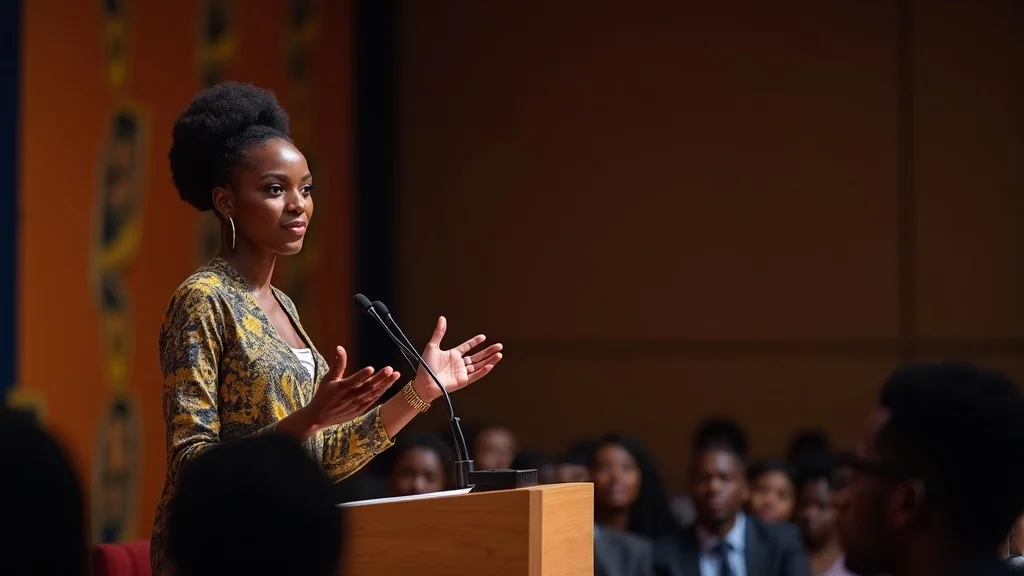
For those interested in practical strategies to further amplify their professional journey, exploring additional resources on how African women are building their legacies can provide actionable insights and inspiration for documenting your own achievements.
What You'll Learn About the Legacy Conversation for African Women as Shared by MTN Uganda CEO
The significance of capturing and communicating personal and professional legacy
Insights from Sylvia Mulinge, CEO of MTN Uganda, on building impactful legacies
How the awe project supports women entrepreneurs in Africa
Why professional African women should focus on vision and leadership
African Women in Corporate Spaces: Challenging Stereotypes and Shaping the Future
Across Africa, women in corporate leadership are re-defining the private sector’s boundaries, pushing against decades-old stereotypes, and proving daily that excellence is genderless. The legacy conversation for African women as shared by MTN Uganda CEO has accelerated this shift, shining a spotlight on African women who lead with vision and integrity. Representation matters, when a woman sees another woman as chief executive or innovator, it solidifies the belief that such achievements are attainable for all.
Organisations like MTN Uganda are home to women who not only occupy leadership positions but excel within them. With Sylvia Mulinge at the helm, MTN Uganda exemplifies how diverse leadership can result in robust business growth, vibrant organisational culture, and an inclusive environment. Women leaders influence decisions on mtn mobile money initiatives, guide supply chain advancements, and shape sector foundation strategies. The contagious energy of women entrepreneurs and professionals extends beyond boardrooms, pushing for more equitable workplace practices both within Kampala and further across the continent.

Representation and Influence: The Role of MTN Uganda and Sylvia Mulinge
Sylvia Mulinge, as the MTN Uganda chief executive officer, has used her platform to not only exemplify leadership but to actively reshape the narrative surrounding African women in business. Her story with MTN Group is one of resilience and strategic vision, demonstrating that women can succeed as innovators and visionaries in the traditionally male-dominated telecommunications industry. As Ms Mulinge says, true influence doesn’t lie just in breaking barriers for yourself but in ensuring those barriers aren’t rebuilt for the next generation.
MTN Uganda has launched sector foundation initiatives targeting the advancement of women entrepreneurs and professionals, offering mentorship, funding, and skills training. This proactive support, paired with visible leadership, reassures women across Uganda that representation at the top, and equal opportunity, is not only possible but a new standard. It is through these actions that the legacy conversation is redefined; leadership is no longer about one’s seat at the table, but about how many seats one makes available for others.
Women Entrepreneurs: Visionaries Redefining Success
Women entrepreneurs in Uganda and across Africa are proving that success is deeply personal and collective. The AWE Project and similar programmes are catalysing a transformation; these initiatives provide critical support, finance, knowledge, networking, for women determined to grow their businesses. As the percentage of female-led businesses increases, the impact reverberates through private sector development, job creation, and societal well-being.
MTN Uganda, alongside partners such as UN Women and DFCU Bank, is at the forefront of advancing women entrepreneurs. These collaborations aren't just about numbers or quotas; they are about nurturing visionaries. The women taking part aren’t only building companies, they’re embodying modern, multi-faceted leadership and setting new definitions of what legacy looks like in Africa’s private sector.
"Legacy is about more than success – it's about paving the way for others. "
MTN Uganda’s Commitment: Empowering African Women Through Leadership and Innovation
MTN Uganda’s commitment to empowering African women is more than a business objective, it’s a corporate philosophy underpinned by action. Since Sylvia Mulinge assumed her role as chief executive officer, MTN Uganda’s focus has expanded to address women’s representation at every level, from supply chain inclusivity to digital transformation projects supporting women-led startups. Through ongoing partnerships with innovation village and private sector foundation entities, the company is bridging the gender gap in leadership, digital upskilling, and entrepreneurial finance.
Leadership at MTN Uganda recognises that empowering women entrepreneurs is crucial for economic growth. By investing in the AWE Project and collaborating with resources such as sector foundation Uganda, they have helped foster environments where women can network, share, and innovate freely. With visible commitment from the CEO and executive leadership, these programmes resonate as more than corporate responsibility, they are blueprints for future-forward African business leadership.

The AWE Project: Boosting Women Entrepreneurs Across Uganda
The AWE Project, short for Advancing Women Entrepreneurs, has emerged as a transformative force for businesswomen in Uganda. Backed by MTN Uganda and sector foundation Uganda, the project delivers more than just financial support; it offers access to mentorship, broadens business networks, and provides critical business education. For many women across districts of Uganda, AWE has been the turning point between a stagnant idea and a thriving enterprise.
MTN Uganda’s focus on the advancement of women entrepreneurs is unique in its scale and depth. The AWE Project stands as a powerful illustration of how corporate and community partnerships can lift women out of economic marginalisation. By bringing together leading companies, private sector experts, and seasoned mentors, this project directly increases African businesswomen’s capacity for lasting impact, turning vision into action and action into legacy.
Creating Opportunities: Networking, Mentorship, and Knowledge Sharing
Success in business is rarely achieved in isolation. As Ms Mulinge says, opportunities for connection and mentorship are among the most valuable resources African women can access. MTN Uganda, via its numerous outreach and training initiatives, creates ecosystems that foster support among women in business. Networking sessions, knowledge-sharing events at innovation village, and mentorship partnerships with senior leaders ensure that learning is continuous and accessible.
Through efforts such as these, MTN Uganda blurs the traditional lines between educator, mentor, and corporate partner. Advancing women entrepreneurs in a sustainable way means building platforms where their stories, vision, and impact are amplified, enabling new leaders to emerge and established leaders to extend their reach even further across the private sector.
Why Vision Matters: Lessons from MTN Uganda CEO for the Legacy Conversation for African Women
Vision remains the engine behind every legacy. The legacy conversation for African women as shared by MTN Uganda CEO underscores an urgent truth: without a clear vision, leadership impact fades quickly, and opportunities for mentoring diminish. For professional African women, vision is the force that breaks through systemic barriers, motivating teams and influencing communities.
Drawing from the leadership journey of Sylvia Mulinge and other African executive officers, it's clear that articulating your goals, documenting your progress, and communicating your impact builds momentum that carries beyond individual success. MTN Uganda’s ongoing commitment to leadership development, especially for women, has not only benefited their own corporate trajectory but has also inspired thousands of women entrepreneurs to boldly carve out their own visions for the continent’s future.
Documenting Your Journey: Tools for Leaving a Lasting Mark
Preserving your professional journey is essential for creating a living legacy. African women executives and entrepreneurs are increasingly adopting practical tools such as leadership journals, video diaries, and storytelling workshops to record their achievements and setbacks alike. These methods don’t just celebrate victories, they create learning resources for aspiring women across Uganda and the entire continent.
MTN Uganda encourages its leaders to take initiative in chronicling projects, outcomes, and key decisions. These tangible accounts offer clarity to future teams and provide robust case studies for sector foundation Uganda programmes. As technology becomes more accessible, even mobile money tools can assist in tracking business milestones and documenting progress, ensuring every achievement is remembered and learnings are passed onward.

Case Studies: African Women Executives Leading the Way
One need look no further than the steady ascent of African women into senior corporate roles for inspiration. Executives from MTN Group, DFCU Bank, and Innovation Village have documented their journeys, providing blueprints for upcoming leaders to emulate. Their stories contain lessons on perseverance, strategic risk-taking, and opening doors for others, lessons now frequently referenced in training supplied by sector foundation Uganda.
By amplifying women executives’ professional narratives, MTN Uganda builds a continuous loop of inspiration and practical guidance. This storytelling is not merely for public relations; it’s for the invaluable transfer of wisdom, setting benchmarks in sectors such as telecommunications, finance, and tech-driven enterprise throughout East Africa.
Tables: Impact at a Glance – Women Entrepreneurs and the Legacy Conversation
Comparative Impact of Key Women Entrepreneur Initiatives in Uganda |
|||
Initiative/Project |
Core Activity |
Outcomes & Impact |
Lead Organisation(s) |
|---|---|---|---|
AWE Project |
Mentorship, Funding, Business Training |
Business growth, expanded networks, increased access to capital for women entrepreneurs |
MTN Uganda, Sector Foundation Uganda, UN Women |
MTN Uganda Women's Leadership |
Corporate Leadership Training, Internal Promotion |
More women in executive positions, policy contributions, increased visibility of women leaders |
MTN Uganda |
Innovation Village Programmes |
Technology Incubators, Knowledge Sharing Events |
Technology transfer, professional networking, empowerment of women-led start-ups |
Innovation Village, Private Sector Foundation Uganda |
Building a Narrative: Authentic Storytelling for Professional African Women
Authentic storytelling is the backbone of the legacy conversation for African women as shared by MTN Uganda CEO. When professional African women share their stories, challenges, and breakthroughs, the narrative shifts from abstract statistics to lived experiences. These stories are essential for changing perceptions, both inside and outside the boardroom, and for inspiring future generations to pursue leadership with boldness.
Best practices for authentic storytelling involve more than just recounting events; they demand reflection, honesty, and purpose. Organisations such as MTN Uganda encourage women’s leadership via regular leadership journals, formal mentorship, and large-scale visibility of success stories. This cultural shift places storytelling at the heart of capacity building and leadership training throughout corporate Uganda and Africa at large.

Best Practices for Documenting Your Vision and Achievements
Keep a leadership journal
Share success stories on public platforms
Mentor and support emerging women leaders
Watch Sylvia Mulinge, MTN Uganda CEO, discuss the importance of legacy for African women and how to effectively document your professional journey.
Key Quotes from MTN Uganda CEO and Influential African Women
"Every woman who documents her vision adds to the collective legacy of Africa. "
People Also Ask About the Legacy Conversation for African Women as Shared by MTN Uganda CEO
Who is Sylvia Mulinge?
Sylvia Mulinge is the CEO of MTN Uganda, a trailblazer known for her dynamic approach to corporate leadership and her advocacy for women entrepreneurs. Before MTN Uganda, she held various leadership roles in the telecommunications sector, becoming a role model for advancing women’s presence in executive offices across Africa.
Who is the new CEO of MTN Uganda?
The new CEO of MTN Uganda is Sylvia Mulinge. She brings visionary leadership to the telecommunications giant and is recognised for her commitment to empowering African women through transformative programmes like the AWE Project and partnerships with sector foundation Uganda.
What is the slogan of MTN Uganda?
The slogan of MTN Uganda is “Everywhere you go. ” This reflects the company’s mission to provide inclusive connectivity, support mobile money innovations, and empower users across Uganda’s diverse districts, including initiatives that specifically support women’s advancement in technology and business.
How many clients does MTN Uganda have?
MTN Uganda serves millions of clients across Uganda, offering services such as mobile money, digital solutions, and business enterprise support. Their customer base continues to grow thanks to forward-thinking leadership, expandsive outreach, and a strong focus on empowering women entrepreneurs and professionals.
FAQs: Exploring the Legacy Conversation for African Women as Shared by MTN Uganda CEO
How does MTN Uganda support women entrepreneurs through the awe project?
Why should professional African women document their achievements?
What challenges do African women face in corporate leadership?
Answers
MTN Uganda, under the leadership of Sylvia Mulinge, invests in women entrepreneurs via the AWE Project by offering resources, mentorship, and networking opportunities.
Documenting achievements creates an inspiring narrative for future generations and helps build a lasting legacy.
African women still face systemic barriers in leadership, but projects like those led by MTN Uganda are changing the landscape.
The Evolving Legacy: Key Takeaways from Sylvia Mulinge and MTN Uganda
Legacy is about ongoing impact, not just one-time accomplishments.
Documenting your vision empowers others to follow your path.
MTN Uganda’s initiatives are pivotal for women’s leadership in Africa.
Discover how the AWE Project is building lasting legacies for women entrepreneurs across Uganda in this insightful video feature.
Conclusion: Embracing the Legacy Conversation for African Women as Shared by MTN Uganda CEO
Your story as a professional African woman is part of a much greater tapestry, document it, share it, and let it inspire the next generation of leaders.
If you’re inspired to deepen your understanding of how African women are shaping the future of leadership and entrepreneurship, consider exploring the broader landscape of women’s empowerment and innovation across the continent. The evolving narrative of African women in business is rich with stories of resilience, creativity, and impact, each one contributing to a collective legacy. By staying informed and connected to these developments, you can discover new strategies, partnerships, and opportunities to elevate your own journey. For more in-depth perspectives and the latest updates on women’s leadership, visit She Evolves Africa and join a community committed to advancing the legacy conversation for generations to come.
Discover The She Evolves News Channel for More Stories of African Women Leaders
Ready to keep growing? Discover The She Evolves News Channel for the latest stories on African women in leadership, legacy, and entrepreneurship. Explore more here.
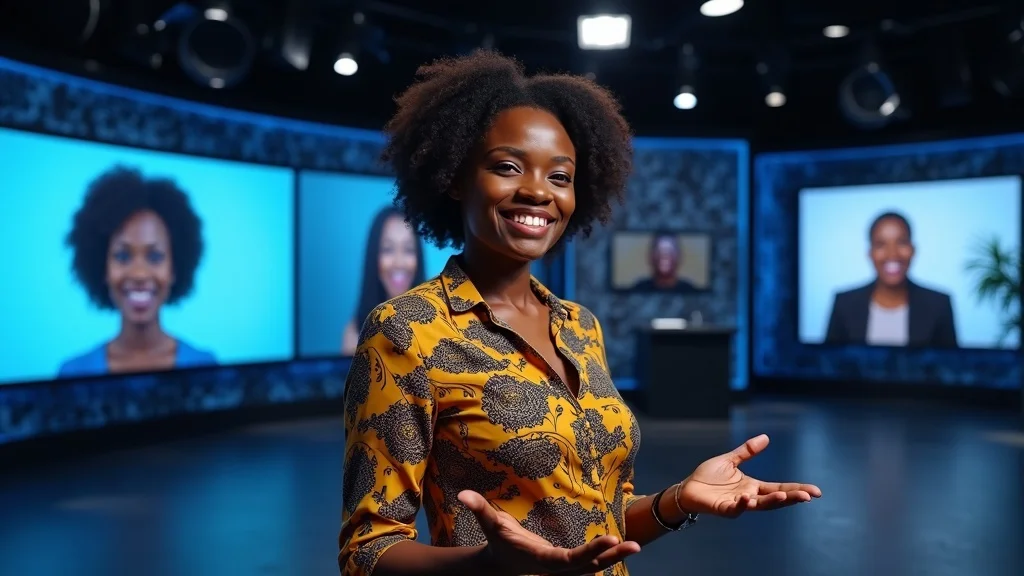
Sylvia Mulinge, the CEO of MTN Uganda, has been instrumental in advancing the legacy conversation for African women. Her leadership emphasizes the importance of documenting one’s vision and achievements to inspire future generations. Under her guidance, MTN Uganda has launched initiatives like the AWE Project, aimed at empowering women entrepreneurs through mentorship, funding, and business training. Mulinge’s journey from her early career at Unilever to becoming the first female CEO of MTN Uganda exemplifies resilience and strategic vision, serving as a beacon for African women in corporate leadership. (mtn. co. ug) For a deeper understanding of Sylvia Mulinge’s impact and the significance of documenting one’s professional journey, consider exploring the following resources: “Building relationships and resilience: MTN Uganda CEO Sylvia Mulinge’s career journey” (ceo. co. ug) “Leading for an Audience of One: Sylvia Mulinge on Faith-driven Leadership” (ceo. co. ug) These articles provide valuable insights into Mulinge’s leadership philosophy and the broader implications for African women striving to leave a lasting legacy.


Write A Comment