
Imagine stepping into your home and instantly feeling at ease—the light is uplifting, the space feels open, and every corner invites you to relax or move with comfort. This is the power of wellness home design: it turns your living space into a daily support system for better routines and calmer days. In this feature, we break down the essentials of creating a space that not only looks beautiful but also feels nourishing, restful, and easy to use every day.
How Wellness Home Design Shapes Everyday Living
Wellness home design focuses on more than style; it’s about how your home helps you thrive every day. When your home is thoughtfully arranged, it encourages healthy daily habits—whether that’s taking a moment to read in a sunny corner, moving freely through open walkways, or organizing spaces to match your natural routines. The structure and style of your space, from lighting to materials, shapes how you rest, work, cook, and connect at home. Adopting a wellness approach to home design blends beauty, function, and comfort, guiding everything from your morning routine to winding down at night.
"A well-designed home does more than look beautiful—it helps its people move, rest, breathe, and thrive, day after day. "
What You'll Learn About Wellness Home Design
- How to identify wellness-focused features in home design
- Practical changes that boost your wellness at home
- The role of natural lighting, natural materials, room layout, and air quality
- Comparisons to healthy home strategies recommended by experts
The Fundamentals of Wellness Home Design
Understanding Wellness Design and Healthy Home Principles
At its heart, wellness home design aims to create spaces where people can recharge, focus, and feel comfortable. It brings key principles from healthy home experts and leading design studios into every room. This design approach looks at how physical aspects—like fresh air, natural light, and open floor plans—impact your daily well-being. Instead of focusing only on appearance, wellness design blends healthy materials, soothing colors, and flexible spaces to encourage easy routines and positive habits. This means picking paints and flooring that are safer for indoor air quality, arranging furniture so you can move freely, and choosing cozy, durable fabrics. Even older homes can benefit from these principles, showing wellness isn’t just for new builds or modern layouts.

Why Wellness Spaces Matter in Modern Home Design
Today’s home design goes beyond looks—people want spaces that support work, learning, and rest, sometimes all within the same room. As modern routines get busier, having a wellness space at home can mean better focus, improved comfort, and a smoother morning routine. Features like clear pathways, organized storage, and adaptable lighting make everyday tasks simpler and more enjoyable. Creating wellness spaces isn’t just a trend; it’s about giving yourself a foundation for healthy routines by using research-backed strategies from healthy home magazine and reputable design studios. It’s not about promising instant well-being but making small, thoughtful choices that help you feel and function better at home.
Lighting in Wellness Home Design: Layered and Natural Approaches
Natural Daylight and Wellness at Home
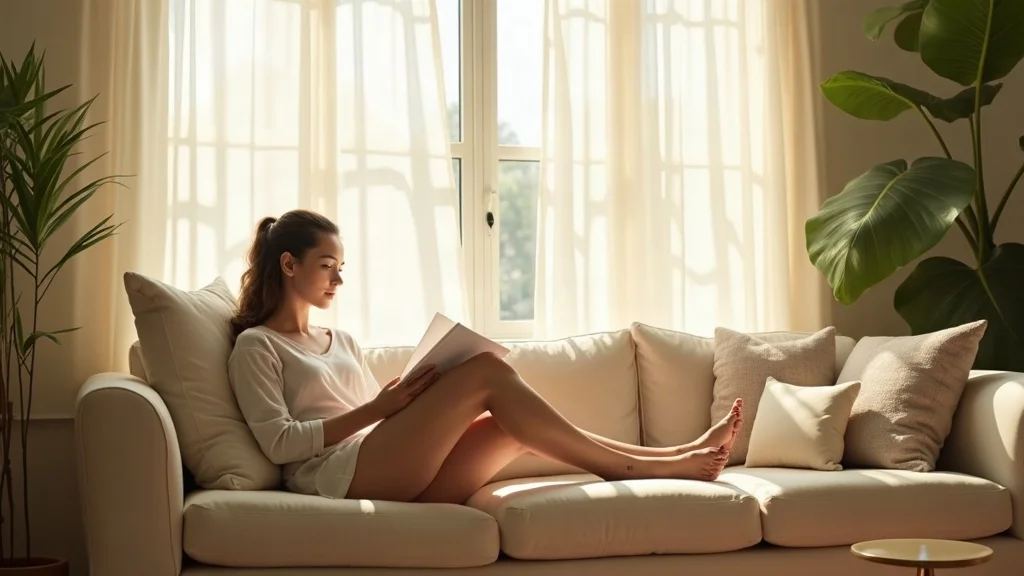
Letting in more daylight is one of the most effective wellness home design moves. Natural sunlight lifts your mood, helps anchor your sleep-wake cycle, and can make a room feel larger and more welcoming. Place seating and work areas close to windows, use sheer curtains instead of heavy drapes, and keep window sills clutter-free so sunlight can pour in. Natural light not only supports your body’s circadian rhythms—the cycle that governs sleep and alertness—but also reduces the need for artificial lighting during the day, which can save energy. While ongoing research continues to study the link between lighting and well-being, it’s clear that spaces with ample daylight often support brighter, more active daily habits and can boost your wellness at home in subtle but important ways.
Using Layered Lighting for Flexible Wellness Spaces
Relying on a single ceiling light can leave rooms feeling stark and unwelcoming, especially during evenings or on cloudy days. Layered lighting—combining overhead lights, wall sconces, floor lamps, and even string lights—lets you adjust brightness and tone depending on the task or time of day. For example, a desk lamp offers focused brightness for work, while soft table lamps in the living room create a calming atmosphere. By giving you control over light levels and direction, layered lighting supports different uses for each room and adapts to your changing moods. This strategy is highlighted in many healthy home magazine design features as essential for multi-use, adaptable wellness spaces.
Lighting, Circadian Rhythms, and the Research So Far
Scientists agree that light exposure, especially natural light in the morning, significantly affects human biology by supporting healthy circadian rhythms. Blue-rich light during the day can help alertness, while warmer, dimmer lighting is preferred in the evenings. Although research on home-based lighting effects is still ongoing—and there are many individual differences—the consensus is simple: use more daylight when possible, and aim for softer, warmer lighting as day turns to night. Following these guidelines can gently support your sleep patterns and emotional comfort, all with easy-to-implement wellness design strategies.
Healthy Home Layout: Maximizing Open Space and Pathways
Floor Plan Choices That Encourage Movement and Reduce Clutter
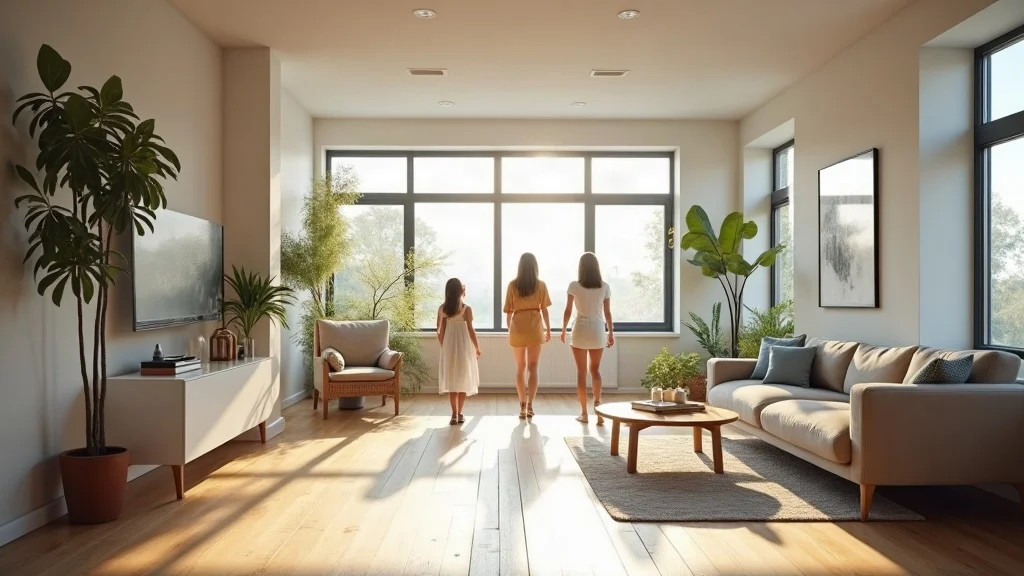
Think of your floor plan as the blueprint for all your daily habits. Open layouts and smart furniture arrangements help you move easily from one room to another. This isn’t just about looks; it shapes how active and relaxed you feel. By removing heavy, unnecessary furniture and clearing walkways, you lower tripping hazards and make cleaning easier too. When people talk about wellness home design, they often mention decluttering not just for appearances, but for giving yourself more room to breathe and move. Even switching up a single piece—like moving a bulky chair away from a main path—can have a ripple effect, helping set the stage for smoother routines, especially in busy home environments highlighted in the June issue of healthy home magazine.
Creating Clear and Accessible Pathways for a Wellness Focused Home
If you’re not ready for a full remodel, focus on the main walkways that connect your entry, kitchen, living area, and bedroom. Aim for clear, obstacle-free paths at least three feet wide—wide enough for easy walking, wheelchairs, or strollers. Good flow not only helps boost your wellness by encouraging more movement throughout the day, but it also provides a calmer, less chaotic atmosphere. Clear pathways also make your home more welcoming for guests, reflecting principles from professional interior design studios across the globe. Whether your layout is traditional or modern, prioritizing open circulation turns any home—old or new—into a more wellness-supportive space.
Interior Design and Material Choices for a Wellness Home
Comfortable and Inviting Materials in Healthy Home Design
Textiles and natural materials play a big part in wellness home design. Choosing soft blankets, plush rugs, and linen or cotton covers makes your wellness space more inviting and calming. Try to use low-emission products, avoiding cheaper building materials contribute to toxic air quality. Think about warm woods, stone, and natural fibers that add both visual and tactile comfort. These materials not only feel good to touch but also contribute to better indoor air, especially when you avoid finishes that emit strong chemical odors. Many interior design studios highlight the psychological influence of texture—the right materials can make a home feel like a retreat, helping you recover energy and focus after a busy day.

The Impacts of Paint Colors and Colors of the Year in Wellness Spaces
Paint colors aren’t just about trends—they impact your mood and the feel of a room. Many new colors of the year are soft greens, warm beiges, or soothing blues, meant to inspire calm and connection to nature. Opt for low-VOC or no-VOC paints to help protect air quality and reduce indoor pollutants. Lighter shades make rooms seem brighter and more spacious, while deeper, warmer colors offer coziness for relaxation spots like bedrooms or reading nooks. Experts from design studios and healthy home magazine recommend choosing paint finishes based on the room’s use—matte for low-traffic areas and satin or washable paints for kitchens and halls. No matter what’s trending, picking what soothes you personally is key to a true wellness space.
Air Quality, Ventilation, and EPA Guidance in Wellness Home Design
Reducing Pollutant Sources Indoors for a Healthy Home
Good air quality is a cornerstone of wellness at home. Everyday activities—cooking, cleaning, crafts—can introduce pollutants like fumes, dust, and moisture. The EPA highlights that the most effective step for cleaner air is to identify and reduce sources of pollution indoors. This means choosing safe paints and building materials, and minimizing the use of products that emit strong smells or contain harsh chemicals. Even simple switches, like using exhaust fans when cooking and cleaning, go a long way in keeping the air fresh and your healthy home safer for all.
Practical Ventilation Tips: Following EPA Advice
Alongside reducing pollution sources, the EPA recommends ventilating by opening windows and using exhaust fans to regularly bring in fresh air. You don’t have to rely on expensive air purifiers; simply letting outside air in helps lower indoor pollutants and balances humidity. Pay special attention to rooms where moisture builds up the most, like bathrooms and kitchens. While plants add beauty to wellness spaces, researchers agree they do not purify home air at a meaningful scale—so focus on source control and fresh air circulation first. By following these expert guidelines, your wellness home design genuinely supports everyone’s comfort.
"The best step for clean indoor air is to stop pollutants at their source and bring in fresh air regularly. " (EPA Guidance summary)
Smart Storage Solutions: Supporting Daily Habits and Clarity
Organized Storage for a Clear, Functional Wellness Home
Clutter can make even the loveliest room feel stressful, and it disrupts daily habits like tidying and finding what you need. Thoughtful storage—like baskets, open shelves, and mudroom hooks—supports smooth routines without adding visual chaos. Try to dedicate a space for frequently used items at entryways or in shared rooms. This not only clears visible pathways but also saves time and brings more peace to busy mornings. Remember, wellness home design should make life easier, not overwhelming: small organizing projects (like sorting a closet or creating a drop zone) can make your wellness space instantly more functional for the whole family, as shown in tips highlighted by healthy home magazine.
- Decluttering benefits for daily habits and peaceful routines
- Practical storage ideas to make wellness easy, not overwhelming

Thermal Comfort and Sensory Wellness in Home Design
Managing Temperature, Comfort, and Sensory Details in Wellness Spaces
Temperature and comfort are essential for any wellness space. Extreme conditions (too hot or too cold, or air that’s very dry or humid) can affect your sleep, mood, and overall sense of well-being. To improve thermal comfort, use curtains or blinds to manage sunlight, add fans for airflow, and adjust rugs or bedding for the season. Even the smallest sensory choices—like soft lighting or lightly scented candles—create a more peaceful environment. Building a wellness-focused home isn’t just about big changes: it’s about collecting small, supportive comforts that help you feel your best every day.
| Wellness Element | How It Helps You |
|---|---|
| Layered Lighting | Adapts to tasks and time of day; supports your mood and circadian rhythm |
| Open Pathways and Floor Plan | Makes movement easier; encourages more physical activity |
| Low-VOC Paint Colors | Protects air quality; calming shades can support relaxation |
| Natural Materials | Inviting textures and visual warmth; avoids many unhealthy chemicals |
| Ventilation | Keeps air fresh; lowers the risk from indoor pollutants |
| Smart Storage | Reduces clutter; makes daily routines smoother and less stressful |
| Thermal Comfort | Supports sleep, mood, and sensory satisfaction |
Simple Changes for Wellness at Home: Practical Steps for Every Room
- Easy, Research-Supported Wellness Home Design Changes
- Adjust layered lighting
- Clear one walkway
- Switch to low-VOC paints
- Ventilate a space daily
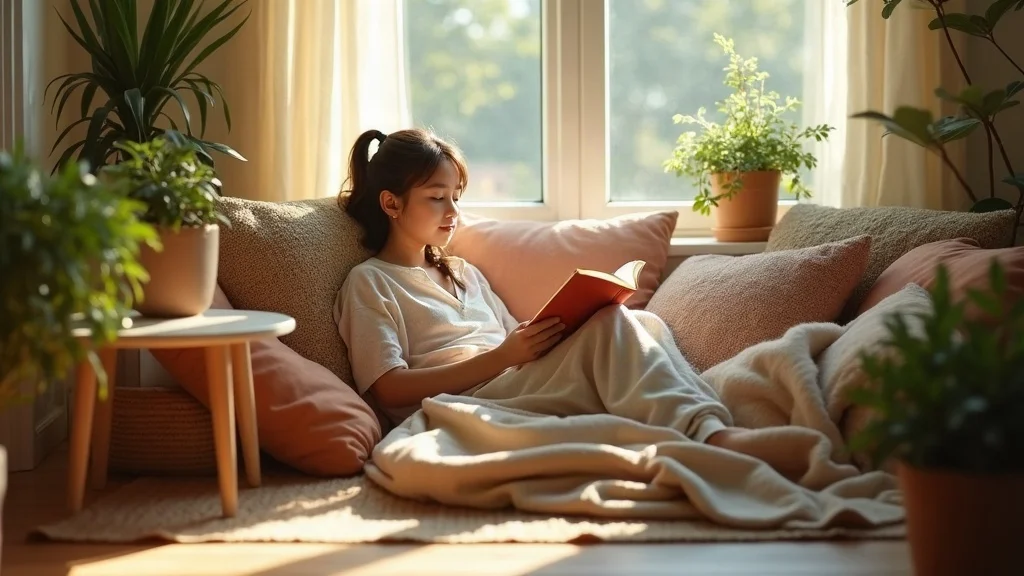
- Create a comfortable reading nook
People Also Ask: Wellness Home Design FAQs
What are the key elements of a wellness home design?
Answer: Explore how lighting, layout, healthful materials, clear pathways, and fresh air work together in wellness home design.
How can I improve wellness in my home without renovating?
Answer: Rearranging furniture for open pathways, adding layered lighting, improving ventilation, and using natural materials support wellness without construction.
Frequently Asked Questions on Wellness Home Design
Is wellness home design only about new builds, or can older homes benefit?
Wellness home design is not limited to new builds—older homes can easily benefit from its principles. Simple changes like adding layered lighting, using healthier materials, and clearing pathways make a difference in any home. Even historic layouts can be adjusted for wellness by focusing on small, daily habits and thoughtful organization.
What does research say about lighting and well-being in residential spaces?
Current research shows that access to natural daylight and using layered lighting support alertness and relaxation by helping regulate circadian rhythms. However, findings are still developing for residential spaces, so it’s best to use what feels comfortable in your own home. Choose bright light for active times and softer, warmer light for the evening.
How can I balance style with wellness-focused choices in home design?
Style and wellness go hand in hand by choosing colors, materials, and layouts that reflect your personality and support your routines. Many wellness design strategies—like using plants, natural woods, and cozy nooks—are both practical and stylish. Prioritize items that feel good to use and fit how you really live every day.
Key Takeaways for Wellness Home Design
- Every home can support wellness through conscious choices
- Focus on light, air, space, materials, and daily habits
- Daily wellness doesn’t require an overhaul—small steps matter





Write A Comment