Add Row
Add Element
Health Line Journal
UPDATE
Add Element
  • Home
  • Categories
    • Holistic Health
    • Community Health
    • Everyday Wellness
    • Behind the Practice
    • Health Products
    • Wellness Travel
    • Life and Health
January 18.2026
1 Minute Read

Unlock the Power of Healthy Foods for Instant Energy

Did you know that over 60% of adults report feeling fatigued before midday—often due to their food choices? In a world that never slows down, what you put on your plate can be the difference between dragging your feet and powering through your day with vitality

Startling Facts: Why Prioritizing Healthy Foods Matters for Your Daily Energy

Every day energy isn't just about how much sleep you get—your diet plays a pivotal role in how vibrant or sluggish you feel. Healthy foods are packed with essential vitamins and minerals, beneficial fatty acids, and are often naturally high in fiber. All these factors contribute to keeping your metabolism active and providing the nutrients needed for optimal physical and mental performance. Research from dietary guidelines for Americans consistently shows that a balanced diet prioritizing whole, unprocessed foods leads to more stable blood sugar, which prevents the energy crashes commonly caused by foods high in added sugar and processed wheat flour.

The outcome? People who emphasize healthy eating choices in every food group—from fruits and vegetables to whole grains and lean protein—are less likely to experience sudden fatigue and are better equipped to lose weight or maintain a healthy weight without feeling deprived

The Impact of Healthy Foods on Overall Well-Being

Eating healthy foods doesn't just power your body for today; it builds a foundation for lifelong health. A healthy diet rich in colorful fruits, high-fiber vegetables, lean proteins, and smart fat choices provides protective nutrients that promote organ health, regulate blood pressure, and lower the risk of heart disease and chronic inflammation. It's not just about calorie counting—it's about choosing foods that act as good sources of key nutrients, enabling every system in your body to run efficiently.

Many vitamins and minerals support cognitive function, boost immune strength, and aid muscle recovery—fueling sustained energy as you go about your day. Experts in healthy eating strategies recommend integrating a variety of food groups to ensure you receive a full spectrum of health benefits. Foods like oily fish, nuts, and leafy greens are excellent at supplying unsaturated fats and omega-3 fatty acids, which not only energize the body but also play a significant role in emotional well-being and mental clarity.

Healthy foods vibrant young adults enjoying fruits, vegetables, whole grains for energy around a modern dining table.

Healthy Eating and Energy: Surprising Scientific Insights

Recent scientific studies have revealed nuanced links between food patterns and energy. For example, dietary guidelines suggest minimizing saturated fat and refined starches—which often provide only a quick energy surge, followed by a crash—and instead focusing on whole food options like brown rice or quinoa for balanced, lasting energy. Foods high in fiber, such as lentils or apples, slow the digestion of carbohydrates, ensuring a gradual release of glucose for stamina instead of spikes and drops.

Consuming unsaturated fats found in sources like olive oil and fatty fish also stabilizes energy by supporting hormone production and keeping you satiated, further controlling appetite and the urge to snack unnecessarily. Scientific consensus supports the idea that a balanced diet lowers the risk of chronic disease, enhances metabolic efficiency, and even affects neurotransmitter production—an essential ingredient for focus, mood, and motivation. This is why a shift toward healthy eating can profoundly transform how you feel daily.

For those interested in how healthy eating trends and nutrition advice are shaping local communities, you might find it insightful to explore recent updates and expert perspectives featured on SoBay Business Insider. Their coverage often highlights the intersection of wellness, food choices, and community health initiatives.

What You'll Learn About Healthy Foods and Instant Energy

  • The definition and benefits of healthy foods

  • How healthy foods directly boost your energy

  • Understanding food groups and what to eat for a balanced diet

  • Tips for incorporating more healthy foods into daily life

  • Expert-approved healthy eating habits

Comparison of Most Popular Healthy Foods: Nutrition, Energy Impact, and Serving Tips

Food

Key Nutrients

Energy Impact

Serving Tips

Oats

Fiber, B vitamins

Steady energy release

Mix with Greek yogurt or fruit for breakfast

Salmon

Omega-3 fatty acids, protein

Supports brainpower, sustained energy

Grill with olive oil and herbs

Spinach

Iron, vitamins A and C

Boosts vitality, fights fatigue

Toss fresh in salads or smoothies

Brown Rice

Complex carbs, magnesium

Long-lasting satiety and energy

Serve as a side with veggies and protein

Greek Yogurt

Protein, calcium, probiotics

Quick energy, gut health

Layer with berries and nuts

Eggs

Complete protein, choline

Muscle repair, brain energy

Boil as a snack or add to salads

The Science Behind Healthy Eating, Balanced Diets, and Energy

How a Balanced Diet Affects Physical and Mental Performance

A balanced diet, aligned with the dietary guidelines for Americans, optimizes both physical stamina and mental agility. Foods from each food group—including lean proteins, whole grains, fruits, vegetables, and healthy oils—combine to form a nutritional safety net that fuels your muscles and sharpens your mind. When you consume a diet high in fiber, loaded with vitamins and minerals, and featuring a good source of protein, you experience fewer energy slumps and improved concentration throughout the day.

By ensuring every meal features all the major food groups, you reduce the risk of nutrient deficiencies that can lead to chronic fatigue, mood swings, and even an increased risk of heart disease. Consistently focusing on healthy eating patterns means better muscle recovery, stronger bones, enhanced immune function, and, over time, a noticeable boost in overall feeling of vitality. This approach to nutrition isn’t about restriction—it’s about empowerment, discovering foods that nourish your ambitions both at work and at play.

Food Group Essentials: Proteins, Fats, Carbohydrates, and Their Energy Roles

Each major food group has a unique and vital role in powering your body. Lean proteins like chicken, eggs, and tofu are a great source of amino acids necessary for muscle repair and healthy immune response. Healthy fats—especially unsaturated fats and fatty acids found in olive oil, oily fish, and nuts—not only reduce your risk of heart disease but also aid in the absorption of vitamins and support smooth brain function.

Carbohydrates, particularly complex carbs such as brown rice and sweet potatoes, offer a slow-burning energy source that keeps you satiated and energized for hours. Striking a balance among these groups—by including a small amount of healthy oil, a serving of whole grains, plenty of vegetables, and lean proteins in your meals—reflects modern dietary guidelines for optimal energy and well-being. Knowing the good sources within each group can transform the way you eat and feel each day.

Photorealistic overhead shot of healthy foods; lean proteins, nuts, fruits, leafy greens, and whole grains on rustic wood, whole food group comparison.

Minimizing Saturated Fat for Maximum Natural Energy

Saturated fat, often found in processed meats, certain dairy products, and many fast foods, is linked to a higher risk of heart disease and sluggishness. Instead, nutritionists recommend replacing foods high in saturated fat with those offering unsaturated fats, such as olive oil, fatty fish, and avocados. These foods support lower cholesterol and contribute to steady energy, lower inflammation, and improved heart health.

To achieve maximum natural energy, cut back on fried foods and snacks high in added sugar, and integrate a wider range of food groups such as seeds, legumes, and fresh produce. Every step towards a balanced diet—like swapping butter for olive oil or white bread for brown rice—helps decrease your risk of heart issues while fueling your day with quality energy your body can use efficiently.

Top 10 Healthy Foods for Instant Energy

  1. Oats

  2. Bananas

  3. Sweet Potatoes

  4. Spinach

  5. Brown Rice

  6. Salmon

  7. Greek Yogurt

  8. Lentils

  9. Eggs

  10. Avocado

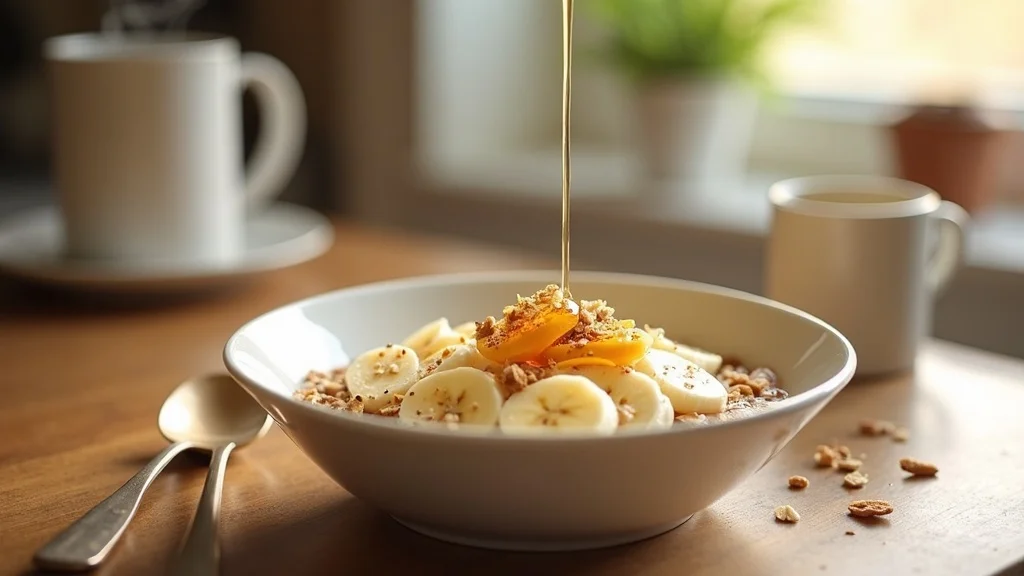
Healthy foods instant energy breakfast bowl with oats, bananas, Greek yogurt, and nuts; healthy snack inspiration.

Brown Rice: A Versatile Complex Carbohydrate for Lasting Energy

Brown rice stands out as one of the best food group staples for long-lasting energy. Unlike refined grains or wheat flour, brown rice preserves its fiber-rich outer layer, meaning it digests more slowly and provides a steady flow of glucose to the muscles and brain. This sustained release keeps you alert, powers your workouts, and prevents the abrupt crashes that can come after consuming foods high in added sugar.

Moreover, brown rice is a good source of magnesium, a mineral pivotal for energy production at a cellular level. Its mild flavor and adaptable texture make it perfect for everything from stir-fries to grain bowls, and it's a great replacement for less nutritious carbohydrates in your meal plan. Nutritional guidelines for Americans consistently recommend incorporating brown rice as a key grain in a balanced diet, supporting your goal of lasting energy throughout each day.

Olive Oil: A Healthy Fat That Fuels Vitality

Olive oil is more than just a kitchen staple—it's a powerhouse among healthy foods for promoting energy and heart health. As a rich source of monounsaturated fatty acids, olive oil helps regulate cholesterol, reduce the risk of heart disease, and foster efficient nutrient absorption. Pouring olive oil over salads or cooked vegetables adds flavor while providing the healthy fat your body needs for optimal performance.

Additionally, the anti-inflammatory properties of olive oil support smooth blood flow, maintaining the cardiovascular system's function and ensuring the body's cells get a consistent supply of fuel. Whether drizzled on roasted vegetables, used as a dip for whole grain breads, or mixed into hummus, olive oil’s versatility makes it easy to integrate into every food group for energy and vibrant health.

Expand Your List: 15 More Healthy Foods to Add to Your Meal Plan

  • Berries

  • Walnuts

  • Quinoa

  • Edamame

  • Cottage Cheese

  • Pumpkin Seeds

  • Beets

  • Apples

  • Dark Chocolate

  • Green Tea

  • Bell Peppers

  • Broccoli

  • Chickpeas

  • Chicken Breast

  • Farro

20 Highest-Ranked Healthy Foods Backed by Nutritionists

  • Reinforce energy-providing foods

  • Note their importance for a balanced diet and healthy eating

  • List trusted favorites for every food group

Healthy Foods and Weight Management: Lose Weight Without Losing Energy

Why Healthy Eating Is Key To Sustainable Weight Loss

Many believe that weight loss means cutting calories and energy, but healthy foods defy this misconception. When you focus on nutrient-rich, high-fiber, and protein-packed foods from every food group, you can lose weight while maintaining performance. The secret lies in smart meal choices—like brown rice over processed carbs and plenty of vegetables instead of calorie-dense, high saturated fat snacks.

A healthy eating routine with an emphasis on whole, unprocessed foods naturally limits your intake of empty calories, allowing you to feel fuller longer and experience fewer food cravings. This, combined with the steady, non-spiking energy these foods generate, ensures you can sustain your weight-loss goals without feeling drained or deprived. Choose smart fat like olive oil and always aim for color and balance in every meal.

Low Saturated Fat Foods That Support Achieving and Maintaining a Healthy Weight

Low saturated fat foods—such as vegetables, fruits, legumes, and whole grains—are pivotal for long-term weight management. By reducing foods high in saturated fat, you can lower cholesterol, decrease your risk of heart disease, and keep your energy levels more consistent. Olive oil, nuts, and oily fish provide healthy fats and fatty acids that help the body burn fat more efficiently, while brown rice and quinoa help you feel full thanks to their high fiber content.

Turning to healthy snacks like a small amount of nuts or a hard-boiled egg prevents overeating while still delivering energy and satisfaction. Creating a foundation based on foods from every group means your meals are more likely to meet nutritional guidelines and help you achieve your healthy weight objectives without sacrificing energy or well-being.

"Eating healthy doesn’t mean sacrificing flavor or satisfaction—your body thrives on natural, energy-rich foods." — Registered Dietitian

Olive Oil, Blood Pressure, and Heart Health: The Overlooked Energy Connection

How Olive Oil Supports Healthy Blood Pressure and Cardiovascular Energy

Olive oil isn't just a culinary superstar; it’s a shield against high blood pressure and the risk of heart disease. Studies highlight that its fatty acids, especially oleic acid, help relax blood vessels, improve circulation, and keep blood pressure within a healthy range. This means your heart works less strenuously, distributing oxygen and nutrients (energy!) more efficiently to every cell in the body.

The best practices for incorporating olive oil into your diet include using it as a dressing, a base for sautéeing, or a key ingredient in Mediterranean-inspired dishes. Regularly consuming olive oil can drastically lower cholesterol and reduce the risk of heart disease, making it an energy-boosting staple for every kitchen.

Pouring olive oil for heart health on Mediterranean salad; healthy foods connection to blood pressure.

Practical Ways to Use Olive Oil in Everyday Meals

Adding olive oil to your daily routine can be simple and delicious. Drizzle it on salads, roasted vegetables, or warm whole grains like quinoa or brown rice for an infusion of healthy fat. Use it as a dip with whole-grain breads or in homemade hummus for an energizing snack. Combine olive oil with lemon juice and herbs for a vibrant dressing or as a marinade for lean proteins like chicken or salmon.

The key is to use extra-virgin olive oil for the highest nutritional value, and to keep portions moderate, as all oils are high in calories. Swapping out butter or shortening for olive oil in recipes is one of the easiest ways to improve your heart health, manage blood pressure, and gain a lasting energy boost from your meals.

Structuring Your Meals: Food Groups for a Balanced Diet

How to Identify the Main Food Groups in Your Diet

Understanding each food group is crucial to achieving a balanced diet. The five primary food groups include fruits, vegetables, grains, proteins, and healthy oils. Choosing a variety from each group ensures your meals provide a wide array of vitamins and minerals essential for energy, mood, and physical health. Following dietary guidelines and using resources like MyPlate or balanced plate diagrams can help you structure your meals so that no key nutrients are missed.

Reading food labels also helps you pinpoint sources of added sugar or saturated fat, allowing you to make informed swaps and healthier choices quickly. Aim to fill half your plate with vegetables and fruits, a quarter with whole grains (such as brown rice or quinoa), and a quarter with lean protein while adding a small amount of healthy oil for best results.

Balanced meal plate graphic showing healthy foods from all food groups for a balanced diet.

Combining Food Groups for Optimal Daily Energy

The synergy of combining food groups maximizes your nutritional intake and boosts sustained energy. For example, pairing a healthy fat like olive oil with nutrient-dense vegetables enhances the absorption of key fat-soluble vitamins, while a side of whole grains helps regulate glucose delivery, staving off energy slumps. Including lean proteins with fiber-rich veggies and a serving of fruit completes a meal that will leave you energetic and satisfied.

Start your day with a mix of Greek yogurt (protein), oats (whole grains), and berries (fruit), or choose salmon (protein) over a salad dressed in olive oil (fat) with brown rice (grain). These meal combinations are grounded in both traditional wisdom and dietary guidelines for Americans, making it easier to maintain healthy eating habits throughout your busy week.

Lists: Quick-Reference Guide to Healthy Foods

  • Top Vegetables for Energy: Spinach, broccoli, bell peppers, beets

  • Best Fruits for Quick Revitalization: Bananas, apples, berries, oranges

  • Whole Grains to Keep You Satiated: Brown rice, quinoa, farro, oats

  • Lean Protein Picks: Salmon, chicken breast, eggs, lentils

  • Smart Fat Choices: Olive oil, walnuts, avocado, pumpkin seeds

People Also Ask: Frequently Asked Questions About Healthy Foods

What is the top 10 healthiest food?

The top 10 healthiest foods include oats, spinach, sweet potatoes, brown rice, salmon, bananas, Greek yogurt, lentils, eggs, and avocado, all contributing to healthy eating and a balanced diet.

What are 15 healthy foods?

Along with the top 10, add berries, walnuts, quinoa, edamame, cottage cheese, pumpkin seeds, beets, apples, dark chocolate, and green tea for a comprehensive list of 15 healthy foods that fit into every food group.

What are the top 20 healthiest foods?

Nutritionists recommend the top 20 healthiest foods as a diverse selection from all food groups, emphasizing balanced diet principles and including energy-forward options like leafy greens, lean proteins, whole grains, and healthy oils like olive oil.

What is food 🥑 🥝?

Food encompasses all nourishing substances, but avocados and kiwis specifically are celebrated for being nutrient-dense, energy-enhancing, healthy foods that support healthy eating and vibrant health.

Avocado halves and sliced kiwis, healthy foods for energy and nutrients.

FAQs: Answering Common Questions About Healthy Foods

  • Are healthy foods more expensive?
    While some healthy foods can have a higher initial cost, buying seasonal produce, whole grains, and plant proteins like lentils or beans is often affordable. Meal planning and reducing processed snacks help keep overall costs down.

  • Can I get enough protein from plant-based healthy foods?
    Absolutely. Foods like lentils, edamame, quinoa, nuts, seeds, and chickpeas are excellent plant-based protein options. Combining varied sources ensures you meet your daily protein needs while following healthy eating practices.

  • What are quick snacks using healthy foods?
    Try Greek yogurt with berries, apple slices with peanut butter, cottage cheese with walnuts, or veggies dipped in hummus for energy-boosting, nutrient-dense snacks.

  • How do healthy foods affect mood and energy?
    Healthy foods provide steady nutrients and slow-release energy, supporting a stable mood and reducing irritability linked to sugar highs and crashes. A balanced diet featuring all food groups improves both mind and body.

  • Is coffee considered a healthy food for energy?
    Coffee can add a temporary energy boost and offers some antioxidants, but it should be enjoyed in moderation as part of a balanced diet—best paired with food and not used to replace meals.

Key Takeaways on Healthy Foods for Instant Energy

  • Healthy foods provide sustainable energy for your daily routine

  • A balanced diet with variety from each food group maximizes vitality

  • Swap high-saturated-fat items for healthy alternatives like olive oil

  • Integrate new healthy eating habits one step at a time

Subscribe to Learn More About Healthy Foods and Transform Your Eating Habits

Want more tips and easy recipes for instant energy, weight loss, and overall well-being? Subscribe to my email list and get fresh insights delivered to your inbox every week

Conclusion

Embrace healthy foods for sustained energy, lasting wellness, and a vibrant life—one bite at a time.

If you’re inspired to take your healthy eating journey even further, consider exploring how local trends and business innovations are influencing wellness in your area. The SoBay Business Insider regularly features stories on nutrition, food startups, and community health initiatives that can help you stay ahead of the curve. By staying informed about the latest developments, you’ll gain a broader perspective on how healthy choices are being supported and celebrated in your community. Dive deeper into these resources to discover new strategies, connect with like-minded individuals, and unlock even more ways to energize your lifestyle.

Sources

  • Harvard T.H. Chan School of Public Health – https://www.hsph.harvard.edu/nutritionsource/what-should-you-eat/

  • Centers for Disease Control and Prevention – https://www.cdc.gov/nutrition/index.html

  • Academy of Nutrition and Dietetics – https://www.eatright.org/food/nutrition

  • MyPlate – https://www.choosemyplate.gov/

  • British Dietetic Association – https://www.bda.uk.com/the-bda/understanding-foods/dietary-guidelines.html

Incorporating healthy foods into your diet is essential for maintaining energy and overall well-being. The Centers for Disease Control and Prevention (CDC) offers practical tips on healthy eating, emphasizing the importance of fruits, vegetables, whole grains, and lean proteins. They also provide strategies to increase fiber intake, limit added sugars, and replace saturated fats with healthier unsaturated fats. (cdc.gov)

Additionally, the American Heart Association outlines what healthy eating looks like, recommending a diet rich in vegetables, fruits, whole grains, and healthy proteins like beans, nuts, fish, and lean meats. They also suggest cooking with heart-healthy oils such as olive or canola oil and minimizing the intake of sugar and salt. (heart.org)

If you’re serious about enhancing your energy levels and overall health, these resources provide valuable guidance on making informed dietary choices.


Everyday Wellness

Write A Comment

*
*
Related Posts All Posts
01.14.2026

Unlock the Secret of Sauna for Ultimate Relaxation

SweatHouz Coppell Contrast Therapy Studio 📍 Address: 205 N Denton Tap Rd # 150, Coppell, TX 75019, USA 📞 Phone: +1 469-949-2501 🌐 Website: https://sweathouz.com/coppell-book-now/ ★★★★★ Rating: 4.9 Sweating It Out and Cooling Down: Why Sauna and Cold Plunge Sessions Are the Escapes Couples NeedBut what if you could create a ritual, just the two of you, to reconnect, rejuvenate, and build memories in silence, laughter, or thoughtful talks? Enter the ancient pairing of sauna and cold plunge: a proven path toward physical relaxation and emotional connectionSauna and cold plunge sessions are gaining traction for more than their physiological benefits. Couples and close friends carve out this oasis of serenity because it’s a space designed for pause, presence, and recuperation. The benefits extend beyond the body—muscles relax, minds slow down, and suddenly there’s a comfortable stillness that lets real conversation happen. Yet, despite its increasing popularity, many people don’t fully understand how the contrast of hot and cold can change not just your body, but the tenor of your entire day—or even your relationships. If you're seeking a gentle adventure for two, this age-old practice could be your gateway to shared calm and renewed connection.Contrast Therapy Unveiled: How Hot and Cold Work Together for Lasting BenefitsContrast therapy, commonly practiced with sauna and cold plunge, leverages the body’s natural responses to temperature extremes to deliver a remarkable health experience. The high heat of the sauna induces deep sweating, which not only soothes sore muscles, but also aids in the elimination of toxins. Following this with a cold plunge triggers the body’s self-preserving responses: blood vessels constrict, inflammation is reduced, and the nervous system is stimulated toward alertness. Together, this cycle invigorates both body and mind—making this practice especially appealing to couples seeking restorative relief and relaxation in equal measure.But why do so many find this hot-cold experience so transformative? Beyond just a fleeting thrill, sauna and cold plunge contrast therapy can help accelerate muscle recovery, promote mental sharpness, and elevate mood through endorphin releaseWhy Sauna and Cold Plunge Make the Perfect Couple’s Ritual for Mind and Body WellbeingSweatHouz Coppell Contrast Therapy Studio emerges as a guiding voice for those seeking to elevate their restorative rituals. By curating private spaces that combine the deep warmth of infrared saunas and the invigorating shock of cold plunges, the experience becomes far more intimate and tailored than a typical spa day. Couples find not only a physical reset through relieved tension and aided lymphatic drainage, but also a mental and emotional reconnection, away from the distractions and noise of daily routines.Using sauna and cold plunge in tandem supports relaxation and balance uniquely. The heated air and sustained sweating usher in calm and release stored tension, while stepping into the cold plunge awakens the senses, reduces inflammation, and promotes the kind of alertness that lingers beyond your session. For busy professionals, parents, or anyone craving dedicated time together, the value is not just individual recovery, but a shared experience of wellbeing and peace. These sessions prove that self-care and relationship care don’t have to be at odds—rather, they can be enjoyed at the same time, and in the same breath.From Ancient Rituals to Modern Retreat: The Timeless Appeal of Contrast TherapyThe roots of sauna and cold plunge practices stretch back centuries, drawing from Finnish and other northern cultures that valued heat therapy not just for health, but for social bonding and personal reflection. Traditionally, the sauna served as a communal space—a place for honest conversation and shared renewal. The cold plunge, or icy dip in a nearby lake, was both a test of resolve and an essential part of the experience. Today, the practice has evolved into a more personal journey, with modern wellness spaces offering private, meticulously maintained environments suited to contemporary expectations of comfort and hygiene.This shift doesn’t diminish the time-honored benefits. Instead, it makes contrast therapy accessible to everyone, especially couples looking for new ways to make memories and foster connection. The combination of intense heat and brisk cold has become a wellness staple not for novelty, but for its consistent ability to soothe aches, quiet the mind, and strengthen emotional bonds. In a world that is always on, contrast therapy holds space for what matters: presence, restoration, and shared peace.Practical Tips: How to Make the Most of Your Sauna and Cold Plunge Session TogetherGetting the most out of a sauna and cold plunge session means more than just enduring the temperature swings. The experience begins with preparation: hydrate well before you arrive, and plan for at least an hour where distractions can fade away. Ease into the warmth, allowing the gentle heat to melt away the day’s tension. For couples, this is the ideal time to break from the norm—enjoy quiet company, discuss topics you might otherwise rush past, or simply share the silence that brings you closer.When ready, transition to the cold plunge. Take the moment together as a shared challenge, breathing deeply and supporting one another through the initial chill. Emerging from the water, notice the renewed alertness and comfort as your body acclimates. Alternating between heat and cold two or three times can maximize benefits. Afterward, a Vitamin C-infused shower can help seal the feeling of invigoration and purification. These rituals elevate the session from routine to memorable, turning relaxation into a story you write together.The SweatHouz Coppell Philosophy: Prioritizing Privacy, Care, and ConnectionSweatHouz Coppell Contrast Therapy Studio stands apart by providing a calm, modern environment tailored for privacy and tranquility—especially for couples or close companions seeking time to recharge. Their thoughtfully designed private rooms, combining infrared saunas and cold plunges, allow everyone to explore contrast therapy in a setting free from the crowds and clutter common to traditional spas. This approach makes self-care a deeply personal, undisturbed process where guests can unplug, relax, and fully immerse themselves in the experience.The studio’s commitment to guest comfort is evident in the meticulous upkeep of facilities and the provision of amenities designed for total relaxation—such as Vitamin C showers and connected TVs for custom ambience. Every detail—from cleanliness to staff professionalism—reflects a mission: to make each visit more than a treatment, but a ritual of rejuvenation and connection. The philosophy held at SweatHouz Coppell is one where health, comfort, and meaningful connection are not only prioritized, but interwoven into every element of the experience.Shared Experiences, Real Results: Firsthand Accounts of the Sauna and Cold Plunge TransformationFor many, the best way to understand the impact of sauna and cold plunge therapy is listening to those who’ve experienced it firsthand. One visitor described their search for relief from muscle tightness and the desire to support lymphatic drainage. What they found at SweatHouz went beyond expectations: a restorative, private setting, top-tier amenities, and results that were both immediate and profound. In their words: I have been looking for something to relieve my tight muscles and help lymphatic drainage, when I came across Sweathouz. I was welcomed in by a super friendly staff memebers and modern enviornment. The studio offers well kept and clean private rooms with an infrared sauna, cold plunge, Vitamin C infused shower and has a connected tv for streaming music, tv shows and movies. After my first visit, I already was experiencing reduced inflammation and had the best sleep of my life. The entire experience was beyond relaxing and I tell everyone about contrast therapy now! This testimonial reinforces just how potent and uplifting sauna and cold plunge sessions can be for anyone seeking relief, renewal, or simply the perfect setting for meaningful moments with loved ones. For couples and individuals alike, these stories reflect the transformation waiting on the other side of contrast therapy—a journey to better sleep, less pain, and deeper connection.Contrast Therapy for Couples: Why Sauna and Cold Plunge Is the Destination for Quality TimeAs holistic wellness gains momentum, sauna and cold plunge therapy is emerging not only as a tool for muscle relief, but a trusted pathway to mindful connection and stress relief. SweatHouz Coppell’s approach, shaped by a culture of care and privacy, stands as an example in a world hungry for genuine presence and renewal. With customizable, private sessions, couples are finding this practice to be the perfect blend of challenge, comfort, and reconnection—making it an unforgettable escape from the demands of everyday life. Taking the time for contrast therapy could become the ritual that transforms not only your body, but your relationship, one session at a time.There’s a reason the tradition of sauna and cold plunge has endured across generations. It continues today because it answers a universal need: the need to sweat, relax, and reawaken—together.Contact the Experts at SweatHouz Coppell Contrast Therapy StudioIf you’d like to learn more about how sauna and cold plunge therapy could benefit your wellness or relationship, contact the team at SweatHouz Coppell Contrast Therapy Studio.📍 Address: 205 N Denton Tap Rd # 150, Coppell, TX 75019, USA📞 Phone: +1 469-949-2501🌐 Website: https://sweathouz.com/coppell-book-now/SweatHouz Coppell Contrast Therapy Studio Location and Availability

01.09.2026

Unlock Success at the Master Wellness and Wealth Workshop Now

Free Online Event Empowers Women to Build Wellness-Based Income and Lasting Financial StabilityKNOXVILLE, TN – January 9, 2026As women nationwide seek greater financial confidence and balance, The Wellness Company announces the Master Wellness and Wealth Workshop to create a great life, a free, virtual event designed to help women transform their approach to income and wellbeing. Set to launch on January 9, 2026, this interactive, education-first workshop delivers actionable strategies to bridge the gap between wellness and wealth—right from home.The Master Wellness and Wealth Workshop to create a great life meets a growing need for financial education and supplemental income opportunities tailored to women's real lives and priorities. Recent trends highlight that many women—whether single earners, caregivers, or those balancing variable incomes—feel ongoing stress about money and health. This event responds to that need, showing how to align wellness and income for long-term peace of mind.Unlike conventional financial seminars, this workshop delivers an inclusive, pressure-free environment where attendees explore essential financial fundamentals and discover how wellness-based income can offer stability without added stress. Participants will learn why intentional supplemental income is more vital than ever, and how judicious planning fosters financial calm and confidence—core themes of the Master Wellness and Wealth Workshop to create a great life.Hosted by Carol Pierce with special guest Samantha Northup, both accomplished business owners and consultants, the workshop is uniquely designed to connect women with new perspectives on health, time, family, and financial well-being. Sessions are structured to offer clarity, practical information, and tangible options—without any obligation or sales pressure. Attendees gain strategies and resources they can immediately begin to use, setting the stage for a thriving 2026.Participants will benefit from expert-led education on critical topics such as overcoming financial anxiety, purposeful income planning, and the integration of wellness-based income streams into daily life. The program underscores the importance of flexibility, family time, and holistic approaches to wealth—values central to the Master Wellness and Wealth Workshop to create a great life. Everyday wellness begins with educated choices, and this workshop helps women make those choices confidently.Women attending can expect to leave with a better understanding of their options, confidence in their next steps, and practical strategies to balance work, health, and personal goals. Everyday household and personal care products will also be featured, showing how wellness-focused routines can fit seamlessly into modern households. As the need for intentional living grows, this workshop offers a timely touchpoint for women ready to rethink their path to a great life.Registration is open now. Regardless of background or income level, all women interested in discovering how wellness and wealth can work together are welcome. With the Master Wellness and Wealth Workshop to create a great life, The Wellness Company continues its mission to support women in making empowered, lasting changes that prioritize both well-being and financial security.Ready to transform your approach to wellness and wealth? Register now for the Master Wellness and Wealth Workshop to create a great life and take the first step toward a future of balance, confidence, and abundanceAbout The Wellness Company:The Wellness Company is a leading wellness-focused shopping platform designed around a customer-based model that prioritizes quality, education, and long-term relationships. The organization offers accessible wellness solutions and empowering education to help women and families live their healthiest, most joyful lives. Learn MoreMedia Contact:Carol PiercePhone: +1 (865) 282-3500Registration Page

01.06.2026

Beyond Caffeine: How a 10-Minute Somatic Morning Routine Resets Your Nervous System for the Day

Ready to try something truly revitalizing? This guide will show you how integrating somatic exercises and somatic yoga into your mornings can provide sustainable energy, nervous system balance, and mental clarity you crave—no caffeine requiredWhat You'll Learn in This Guide to Somatic Morning RoutineHow a somatic morning routine works to reset the nervous systemThe science behind somatic exercises and morning somatic yogaStep-by-step morning somatic exercisesDaily practice tips for sustainable resultsInsights from medical professionals and scientific researchCommon questions about somatic movementBreaking Down the Somatic Morning Routine: Beyond Caffeine“A 10-minute somatic morning routine can uplift your entire day without the need for stimulants.” – Dr. Maya Hart, Integrative Medicine SpecialistWhy Choose a Somatic Morning Routine Over Coffee?Many people start their day with a cup of coffee, believing it’s essential for alertness and energy. However, embracing a somatic morning routine offers a fundamentally different—and lasting—approach to energizing your body and mind. While caffeine gives a temporary wake-up jolt, somatic exercises like gentle movement, mindful stretching, and breathwork directly engage your nervous system at a physiological level.Practitioners of somatic exercises and somatic yoga routinely report feeling less muscle tension, improved focus, and lowered stress throughout the day compared to the roller-coaster effects of stimulants. These benefits are especially pronounced for anyone who experiences back pain, chronic tension, or feels stiff first thing in the morning. By learning to listen to internal sensations and promote nervous system regulation, a morning somatic practice becomes a natural "reset" button that supports daily practice goals and overall well-being.“Repeated use of [somatic] wellness skills supports the development of new neural pathways that enhance emotional regulation and resilience.” — Hilary Hodgdon, PhD, licensed clinical psychologist and researcher, on somatic self‑care practicesAdding somatic yoga, as described by Thomas Hanna—the founder of Somatics—helps release tension patterns not just at the muscular level, but deep within the nervous system itself. Over time, building this routine into your mornings means you rely less on external crutches for energy and more on your internal resources.The empowering sensation of being able to reset tension and cultivate calm energy before the busyness of the day begins is an investment in both mental clarity and physical resilience.As you begin to notice the subtle shifts in your body and mind from a somatic morning routine, you may also be interested in how these practices can positively influence your heart rate variability—a key marker of nervous system health. For practical strategies to further support your body's resilience, explore these evidence-based tips to improve heart rate variability and deepen your understanding of holistic wellness.How the Somatic Morning Routine Resets Your Nervous SystemHuman bodies wake up primed for movement—not for fight-or-flight panic. A somatic morning routine gently activates your autonomic nervous system, shifting you out of nighttime shutdown and “freeze” patterns toward calm alertness.Through somatic exercises and somatic movement—slow stretches, mindful breathwork, and body scans—you send clear signals of safety and regulation to your nervous system. This reduces lingering chronic tension, improves heart rate variability, and can even increase neuroplasticity that helps you adapt more skillfully to daily stressors.Unlike the brief jolt from coffee or energy drinks, this practice installs a new baseline of “calm energy.” Research suggests that regular morning somatic exercises support better posture, less lower back discomfort, and smoother transitions from sleep to activity. Over weeks of daily practice, your brain begins to look forward to these calming moments, making them increasingly effortless to maintain for long-term nervous system health.The Science and Benefits: Somatic Exercises & Morning Somatic Yoga“Somatic exercises, including morning somatic yoga, support nervous system regulation and stress resilience.” – Dr. Elena Brooks, Neurologist and ResearcherUnderstanding Somatic Movement & Its Physiological ImpactSomatic movement is rooted in cultivating awareness of physical sensations to influence the nervous system. Developed by Thomas Hanna and expanded through modalities like somatic yoga, these exercises train the body to observe and adjust patterns of tension unconsciously held in muscles.By moving slowly, focusing inward, and synchronizing breath, you interrupt habitual pathways that contribute to stress, poor posture, and even pain, like in the lower back. This inward listening is known as interoception, and scientific evidence points to its critical role in modulating mood, anxiety, and stress.Engaging in a somatic morning routine leverages your body’s natural rhythms: cortisol rises, energy builds, and your mind is more receptive to subtle cues from physical sensations. Regular morning somatic practices reduce muscle tension, heighten body awareness, and prep your system for focus and flexibility. These benefits are not limited to athletes—everyone from office workers to retirees can use gentle movement to counteract stiffness, mental fog, and emotional reactivity.When used as a consistent daily practice, somatic self‑care skills help build new neural pathways that support emotional regulation and resilience, making it easier to handle daily challenges without feeling overwhelmed, reports clinical psychologist and trauma researcher Hilary Hodgdon, PhD, in her work on somatic self‑care programs.Clinical Data & Case Studies on Somatic Exercise OutcomesResearch on somatic exercises and somatic yoga demonstrates measurable improvements in flexibility, stress reduction, and overall well-being. Clinical case studies have shown that participants who implemented a 10-minute morning somatic routine experienced notable reductions in anxiety, improved sleep quality, and better pain management—including relief from persistent lower back and muscle tension.A 2021 study published in a peer-reviewed rehabilitation journal found that daily somatic yoga significantly decreased participants’ perceived stress and improved their focus throughout the day.These findings are echoed by health professionals and users alike. Incorporating a somatic movement practice into morning routines is linked to positive changes in heart rate variability and lower baseline cortisol levels, both signals of a resilient, well-regulated nervous system. The physiological benefits continue to accumulate with consistency, making morning somatic exercises a meaningful, doctor-recommended addition to your health strategy.Comparison of Somatic Morning Routine vs. Traditional Morning StimulantsSomatic Morning Routine (10 min)Coffee/Energy DrinksEnergy Level (duration)Steady, sustained (several hours)Short-term spike, possible crash (1–2 hours)MoodCalm, focused, positiveJittery, sometimes irritableStress ResponseLowers cortisol, reduces tensionMay elevate cortisol or anxietyPhysical SensationsLess muscle and back tension, more mobilityNo change or can increase tensionSustainabilityHighly sustainable, supports healthy habitsAddictive potential, builds dependencyBuilding Your Somatic Morning Routine: Step-by-Step GuideKey Somatic Exercises for Morning PracticeQuick Checklist for a 10-Minute Somatic Morning RoutineEssential Morning Somatic Exercises You Need to TryIf you’re ready to start, you only need a small space and a yoga mat to enjoy the benefits of morning somatic exercises and somatic yoga. Here’s a foundational sequence used in somatic yoga and movement classes:Body Scan: Close your eyes and scan your body from toes to head, noting areas that feel stiff or tense, and breathe into those sensations.Pandiculation: Gently contract, hold, and then slowly release major muscle groups (try shoulders or lower back). This resets muscle tone and invites deep relaxation.Somatic Cat-Cow: With hands and knees on your mat, move slowly between gentle arching and rounding of the spine, noticing internal sensations and releasing tension in the back.Side Lying Reach: Lie on one side, extend top arm overhead, and stretch gently while synchronizing breath, feeling how the ribs and lower back move.Breath-Focused Twist: Sitting up, inhale to lengthen, exhale to twist gently—repeat both sides for spinal mobility and to wring out overnight tightness.Each of these morning somatic exercises is designed for slow, mindful repetition. Focus on the internal sensation, rather than aiming for intensity. This approach, inspired by clinical somatic education, allows you to release patterns of tension and start the day more relaxed and energized.Somatic workouts activate the parasympathetic “rest and digest” system and help the body actually relax, which is especially valuable for people living with chronic stress, notes physical therapist and somatic specialist Shauna Harrison, PhD, when contrasting somatic work with more intense training.Creating a Personalized Somatic Morning Routine for Daily PracticePersonalizing your somatic morning routine increases both enjoyment and effectiveness. Try the following quick checklist to help make your daily practice sustainable:Set aside 10 minutes as soon as you wake up—consistency matters more than duration.Create a calming environment: soft lighting, comfortable temperature, and a yoga mat or soft surface.Rotate key somatic exercises each week to keep novelty and engagement high.Use a journal to note post-practice feelings: Do you feel more relaxed, alert, or grateful?Adjust for your needs—if you wake with back pain, concentrate on gentle lower back movements; if you’re anxious, focus more on breath and slow stretching.“Just 10 minutes of morning somatic practice can transform tension into calm energy.” – Nina Cole, Certified Somatic Movement EducatorExpert Tips and Insights for Successful Daily PracticeIntegrating Somatic Yoga into Your Morning RoutineSomatic yoga, a fusion of traditional yoga poses with mindful somatic awareness, can deepen the benefits of your morning somatic routine and somatic exercises. Incorporate gentle flow sequences, focus on slow transitions, and pause frequently to observe how movements affect physical sensations. This practice not only mobilizes joints and muscles but also stimulates healthy vagal tone—a key factor in stress recovery and restful sleep.For best results, alternate somatic yoga postures with breathwork (like coherent breathing or box breathing) and finish with a few moments of seated or lying rest to integrate the effects. Over time, somatic movement practice will become a cherished anchor, allowing you to greet the day with less reactivity and more presence.“Consistency is the secret to maximizing the benefits of somatic yoga and exercises each morning.” – Dr. Lillian Harper, Physical TherapistAvoiding Common Mistakes with Morning Somatic ExercisesConsistency over intensity: Start with brief, regular sessions rather than long, sporadic ones to build a daily habit that lasts.Listening to your body: Never force a movement; allow your practice to be responsive and adaptive, so as to avoid injury and maximize internal awareness.Adjustments for beginners: Don’t worry about doing everything “perfectly.” Focus on simple movements until you build confidence and body awareness.Tracking your nervous system response: Keep a journal or make a mental note of how you feel before and after each session—look for improvements in tension, calm, or focus as markers of progress.Remember, the effectiveness of morning somatic exercises lies in their subtlety. By attending to small shifts in sensation, you train your nervous system for resilience and ease.Case Study: Real-Life Results from a 10-Minute Somatic Morning RoutineDaily Practice Log: 2 Weeks Before-and-After ResultsDayStress Level (1–10)Focus/Clarity (1–10)Mood (1–10)Before: (Avg of previous week)755After: (Avg of week 2 with daily somatic morning routine)488Testimonial: Real People, Tangible Benefits from Morning Somatic Exercise“Implementing a somatic morning routine with somatic exercises and somatic yoga changed the way I start every day—I’m more focused and energized.” – Lisa Jefferson, Wellness WriterLisa, a wellness writer, struggled for years with morning brain fog and muscle tension in her lower back. After introducing 10 minutes of somatic yoga and movement, she noticed immediate improvements in her mood and energy—without needing coffee.Within two weeks, Lisa reported better focus during her workday, fewer stress headaches, and even more restful sleep at night. Her experience echoes that of many others who have incorporated a morning somatic routine, with both daily practice and internal sensation awareness providing lasting results.Watch a certified instructor guide you through a soothing series of gentle somatic exercises with real-time tips for beginners. The session covers mindful movement, breath integration, and how to tune into physical sensations for maximum nervous system benefit.People Also Ask: Somatic Morning Routine FAQsWhat is the 5-5-5-30 morning routine?The 5-5-5-30 morning routine structures your morning with five minutes each of movement, breathwork, meditation, and hydration, followed by a 30-minute mindful practice. This protocol encourages a holistic approach—including somatic exercises—that complements your somatic morning routine by ensuring movement, nervous system regulation, and mindfulness are included.What time of day is best for somatic exercises?Morning is considered optimal for somatic exercises and somatic yoga because it activates the nervous system and sets a positive baseline for the rest of your day. However, somatic yoga and somatic movement are highly beneficial at any time—especially if you need to unwind, release tension, or reset stress during afternoon or evening hours.Can you really lose weight with somatic yoga?While somatic yoga isn’t primarily a weight loss exercise, it can indirectly support weight management by reducing stress (lowering cortisol), encouraging mindful movement, and making it easier to maintain healthy habits. Regular somatic movement practice can help you become more attuned to hunger, fullness, and physical needs, which is key for sustainable weight loss.Do somatic workouts really work?Yes, research and clinical studies confirm that regular somatic exercises, somatic yoga, and daily practice improve flexibility, reduce chronic tension, and enhance quality of life. Implementing a somatic morning routine is a proven way to gently but effectively reset both body and mind—resulting in more energy, better focus, and resilient stress management throughout the day.Key Takeaways: The Power of a Somatic Morning Routine for Daily PracticeA somatic morning routine can reset your nervous system in just 10 minutesMorning somatic yoga and exercises promote resilience and calm energyDaily practice is more important than perfectionMedical research supports positive outcomes from somatic movementAnyone can start a somatic morning routine with minimal guidanceIf you’re inspired to expand your daily wellness rituals beyond movement, consider exploring the power of sensory relaxation for even deeper stress relief. Engaging your senses can amplify the calming effects of your somatic morning routine and help you cultivate lasting tranquility throughout the day.Discover a range of practical sensory relaxation techniques that complement your nervous system reset by visiting this guide to sensory relaxation for stress relief and wellness. By layering these mindful practices, you’ll unlock new levels of calm, resilience, and holistic well-being—empowering you to meet each day with renewed energy and clarity.Discover More Trusted Information Like This at: NCWellnessHub.comArticle SourcesNational Center for Biotechnology Information – https://www.ncbi.nlm.nih.gov/pmc/articles/PMC7372317/Psychology Today – https://www.psychologytoday.com/us/basics/somatic-therapySomatic Movement Center – https://www.somaticmovementcenter.com/articles/Journal of Bodywork and Movement Therapies – https://www.ncbi.nlm.nih.gov/pmc/articles/PMC6636734/Yoga Journal – https://www.yogajournal.com/practice/yoga-101/the-benefits-of-somatic-yoga/Incorporating a somatic morning routine into your daily practice can significantly enhance your well-being by reducing stress and improving focus. For a comprehensive guide on somatic exercises, including detailed instructions and benefits, consider exploring the article “Somatic Exercises | Workouts for Releasing Tension & Easing Stress” on Gymshark Central. (gymshark.com)Additionally, the “Daily Somatic Practices | Wellness & Health Guide” offers a step-by-step daily flexibility routine that can be seamlessly integrated into your mornings. (iliveactive.com)If you’re actually trying to feel better day-to-day (not just say you are), these resources offer simple, doable exercises and real-world insights that fit into real life—coffee spills, busy schedules, and all.Looking to continue your wellness journey? Discover more trusted information like this at: NCWellnessHub.com

Terms of Service

Privacy Policy

Core Modal Title

Sorry, no results found

You Might Find These Articles Interesting

T
Please Check Your Email
We Will Be Following Up Shortly
*
*
*