
Startling Fact: Over 80% of individuals experience at least one symptom linked to poor vagus nerve function, impacting everything from mood to blood pressure. This powerful but often overlooked part of your nervous system could hold the key to unlocking better health, energy, and resilience. If you’re curious how the benefits of activating the vagus nerve could change your life, this comprehensive guide reveals the ground-breaking science, daily strategies, and transformative results you need to know now.
Discovering the Benefits of Activating the Vagus Nerve: A Path to Better Health
- Startling Fact: Over 80% of individuals experience at least one symptom linked to poor vagus nerve function, impacting everything from mood to blood pressure.
The vagus nerve, one of the most influential cranial nerves, is a direct communication superhighway between your brain and major organs. When underactive or dysfunctional, people can experience a cascade of issues—ranging from digestive troubles to depressive symptoms, inflammation, or even uncontrolled blood pressure. Conversely, stimulating the vagus nerve has become a science-backed approach for supporting mental health, heart rate optimization, and addressing bodily symptoms often overlooked in standard care.
Whether you aim to bolster your immune system, recover from high stress, or take charge of your well-being, understanding the benefits of activating the vagus nerve can be transformative. Today, we’ll break down what science says about vagus nerve stimulation, how it supports the nervous system, and what concrete steps you can take to harness its power for optimal health.
What You'll Learn About the Benefits of Activating the Vagus Nerve
- An overview of the vagus nerve's role in the nervous system
- How nerve stimulation supports physical and mental health
- Techniques to stimulate the vagus nerve and their benefits
- Potential side effects and considerations in vagus nerve stimulation
- Expert insights and actionable tips
Understanding the Vagus Nerve: Anatomy and Function
What is the Vagus Nerve and Why Is It So Important?
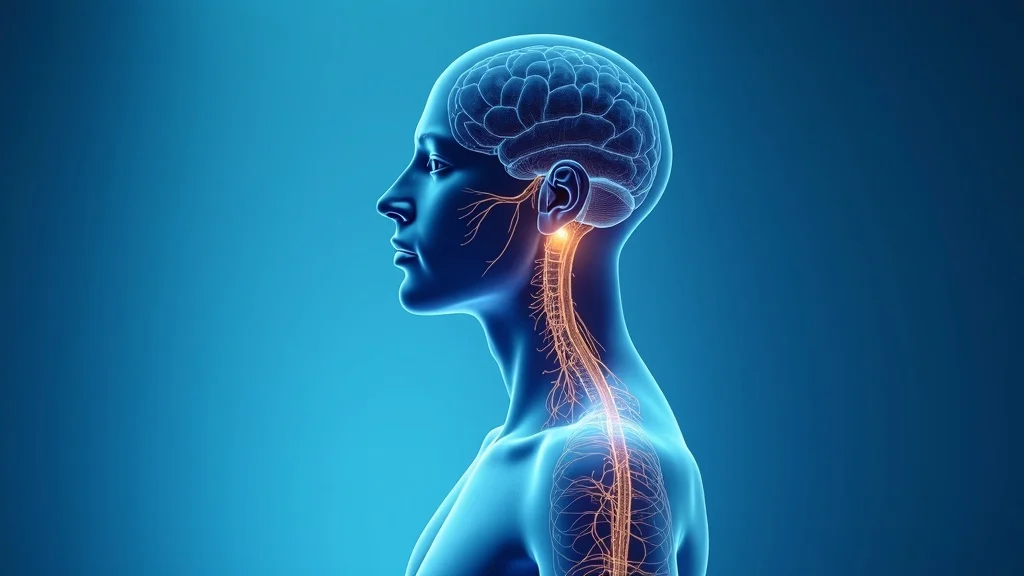
The vagus nerve is the longest cranial nerve in the body, stretching from the brainstem down through the neck, chest, and abdomen. It branches out to innervate critical organs, including the heart, lungs, and digestive tract, acting as the main component of the parasympathetic nervous system—the “rest and digest” system that counters stress and keeps bodily functions balanced. Its influence spreads across a wide array of physical and mental health outcomes. If you experience sudden changes in digestion, irregular heart rate, or heightened stress response, it could be your vagus nerve signaling for attention. Prioritizing nerve activity offers a proactive step towards maintaining resilience in the face of life’s many challenges.
This single nerve controls involuntary body processes: heart rate, breathing, immune response, and even your stress-coping mechanisms. Its far-reaching impact means that stimulating the vagus nerve isn’t just a medical intervention—it’s a holistic pathway to wellness. Recognizing its central role in the nervous system helps illuminate why nerve stimulation is at the forefront of integrative health practices worldwide.
The Role of the Vagus Nerve in the Nervous System
Within the complex structure of the human nervous system, the vagus nerve operates as a dynamic messenger. It not only moderates communication between the brain and major organs but also balances the sympathetic nervous system (responsible for the “fight or flight” response). By shifting activity back towards parasympathetic “rest and digest” mode, vagus nerve stimulation naturally reduces high blood pressure, lowers inflammation, and supports mental health.
Scientific research increasingly shows that nerve activity within the vagus nerve orchestrates everything from hormone secretion to modulation of stress hormones, thus supporting mental clarity and cardiovascular health. A resilient nervous system, supported by healthy vagus nerve function, enables faster recovery from stress, stabilized mood, and more efficient digestion—cornerstones for overall vitality.
Key Interactions with Heart Rate, Gut, and Mental Health
The vagus nerve’s impact on heart rate, gut health, and mental health is especially profound. It helps regulate heart rhythm by lowering heart rate in response to calm and recovery states, sustaining a healthier cardiovascular profile. In the digestive system, activation of the vagus nerve supports peristalsis, enzyme secretion, and nutrient absorption—key factors for gut health. Notably, vagus nerve activity is intimately tied with emotional regulation, lowering risk of depressive symptoms and heightening resilience to anxiety and chronic stress.
Emerging studies suggest that stimulating the vagus nerve effectively relays calming signals to the brain, mitigating the impact of sympathetic nervous system overdrive. Each of these functions—heart rate, gut motility, brain chemistry—work together so that enhancing vagus nerve function means strengthening the very foundation of your health.

The Science Behind the Benefits of Activating the Vagus Nerve
How Vagus Nerve Stimulation Influences the Nervous System
Stimulating the vagus nerve directly alters nervous system function by promoting parasympathetic activity. Unlike the sympathetic nervous system, which primes the body for action and stress, the parasympathetic system cools things down—reducing cortisol production, blood pressure, and muscle tension. Techniques ranging from deep breathing to targeted medical devices enhance this nerve’s electrical impulses, recalibrating the body towards a state of repair, rest, and cellular regeneration.
Vagus nerve stimulation not only affects individual nerve pathways but also sets off a cascade of beneficial effects across multiple organ systems: from improved heart rate variability (a marker of resilience) to reduced recurrence of depressive symptoms and a strengthened immune system. Comprehensive clinical trial evidence now supports systematic nerve stimulation as a non-pharmacological route to restoring bodily functions and psychological harmony.
Impact of Stimulating the Vagus Nerve on Blood Pressure and Heart Rate
One of the principal clinical benefits of activating the vagus nerve lies in its direct regulation of heart rate and blood pressure. By supporting regular, moderated electrical signals to the heart, the vagus nerve helps prevent dangerous spikes in blood pressure and arrhythmias. Researchers have found consistent correlations between increased vagus nerve activity and reduced cardiovascular events—making it especially important for people at risk of hypertension.
Through enhanced nerve activity, heart rate variability improves, signifying more adaptive coping to daily stressors. Whether achieved via lifestyle changes or medical-grade nerve stimulator devices, stimulating the vagus nerve fortifies the heart’s function and makes significant contributions to overall longevity and cardiovascular safety.
Vagus Nerve Stimulation and Mental Health: From Stress to Depressive Symptoms
The benefits of activating the vagus nerve extend powerfully into mental health. Vagus nerve stimulation has shown positive effects for those experiencing chronic anxiety, stress response, and depressive symptoms. By signaling the brain to release calming neurotransmitters like acetylcholine and GABA, vagus nerve activity brings about emotional equilibrium and a sense of inner peace.
Clinical studies have demonstrated that people with resistant depressive symptoms often find relief through nerve stimulation, sometimes even when traditional medications fall short. By supporting brain-gut communication, stimulating the vagus nerve also influences cognitive function and mood stability—making it a cornerstone of modern integrative mental health strategies.
Real-World Evidence: Clinical Studies on Nerve Stimulation
Scores of clinical trials and peer-reviewed studies highlight vagus nerve stimulation as a safe, effective supplement or alternative to medication. Both non-invasive and implantable VNS devices have received Food and Drug Administration (FDA) approval for conditions such as refractory epilepsy, treatment-resistant depression, and even as adjunct therapy in stroke rehabilitation. The evidence base for natural interventions—like breathwork and meditation—is also growing, showing modest yet consistent gains in immune system markers and nervous system recovery.
This accumulating real-world and clinical trial data continues to clarify how stimulating the vagus nerve can lead to measurable health gains, making nerve activity monitoring and biofeedback more accessible for home use and self-care routines.

7 Remarkable Benefits of Activating the Vagus Nerve
- Lowering high blood pressure: Stabilizes cardiovascular function.
- Supporting weight management and reducing obesity risk: Improves metabolism and satiety signals.
- Enhancing digestion and reducing gut-related symptoms: Stimulates gut motility and enzyme secretion.
- Improving mood and relieving depressive symptoms: Calms the nervous system, increasing resilience to stress.
- Boosting overall nervous system resilience: Enhances recovery from stress and illness.
- Mitigating inflammation and supporting immune function: Promotes anti-inflammatory effects and immune cell balance.
- Regulating heart rate for cardiovascular health: Increases heart rate variability, a marker of long-term health.

How to Stimulate the Vagus Nerve for Health Benefits
Natural Methods to Stimulate the Vagus Nerve
Natural means to stimulate the vagus nerve are accessible and suitable for almost everyone. Practices such as slow, diaphragmatic breathing, crooning or singing, and gentle yoga stretches produce mild electrical impulses along the vagus nerve pathway. Engaging in these activities daily nudges your nervous system into balance, aiding digestion, heart rate regulation, and mental calm without medication or costly devices.
Additional time-tested modalities like gargling, humming, cold exposure (such as splashing the face with cold water), and social connection all encourage parasympathetic activity. These approaches leverage the body’s inbuilt mechanisms for healing, making them an effective entry point for anyone ready to experience the benefits of activating the vagus nerve on their own terms.
Lifestyle Practices for Nerve Stimulation (Deep Breathing, Meditation, Cold Exposure)
Daily routines incorporating deep breathing, mindfulness meditation, and safe cold exposure can make a noticeable difference for vagus nerve health. Deep breathing exercises, especially those focusing on longer exhalations, invite a rush of calming neurotransmitters that soothe heart rate and foster resilience against anxiety. Meditation further calms nerve activity by reducing the impact of the sympathetic nervous system and encouraging self-regulation.
Cold exposure—such as ending your shower with a short burst of cold water—stimulates the vagus nerve, prompting heightened alertness and improved mood. Regularity is critical: even a few minutes each day can compound the effects and unlock the myriad benefits of vagus nerve stimulation over time.
Leveraging Technology: Vagus Nerve Stimulators and Devices
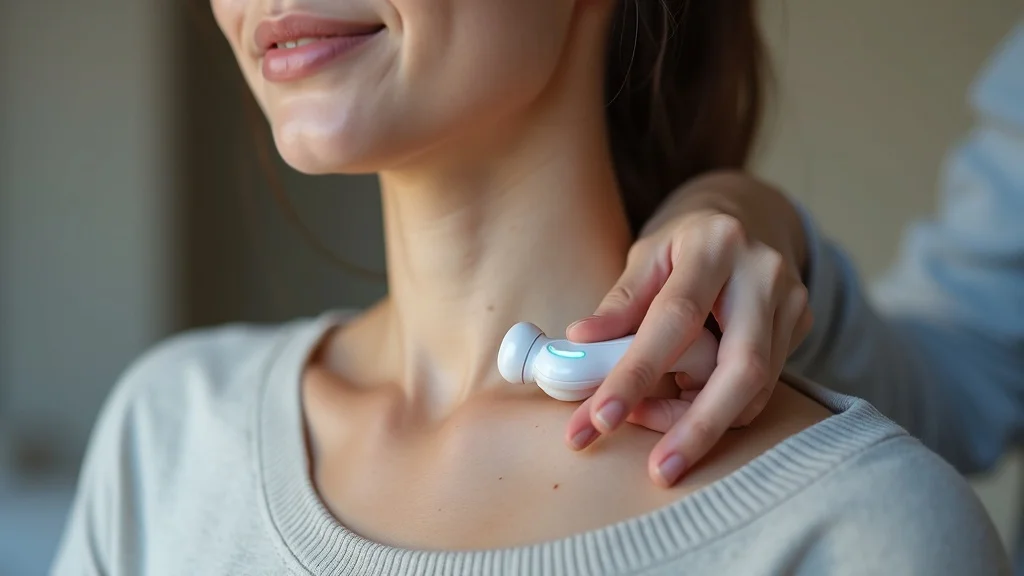
Technology provides another avenue for stimulating the vagus nerve. Modern vagus nerve stimulator (VNS) devices, both implantable and external, deliver mild electrical impulses to the cranial nerve. FDA-approved VNS devices are used clinically for epilepsy, depression, and migraine, offering targeted support for those who need more than lifestyle changes. Some non-invasive devices—available for at-home use—allow you to adjust intensity and monitor nerve activity, making controlled nerve stimulation accessible to many.
These devices require proper medical oversight. It’s crucial to understand device settings, potential side effects, and necessary precautions. For those considering a VNS device, always consult a healthcare provider to determine if technology-based vagus nerve stimulation aligns with your health goals and medical profile.
Personalized Approaches: Tailoring Techniques to Your Needs
No two people have identical nervous systems. Personalized approaches to stimulating the vagus nerve take into account factors such as age, health status, lifestyle, and desired health outcomes. Some may benefit most from daily breathwork, while others require a combination of natural and device-based methods. Biofeedback tools, mood tracking apps, and wearable sensors now help individuals track progress and fine-tune interventions for optimal results.
By experimenting with techniques and monitoring your response, you can find the ideal mix of practices to reap the full benefits of activating the vagus nerve and pave the way for sustainable health improvements.
Step-by-Step Guide: Daily Routine for Activating the Vagus Nerve
- Morning breathing exercises for vagus nerve activation: Begin your day with 5–10 minutes of slow, deep belly breathing (inhale for 4, exhale for 6–8 counts). This supports parasympathetic tone and primes your nervous system for balance.
- Mindful eating for promoting digestive health via the vagus nerve: Eat in a calm environment, focus on chewing thoroughly, and savor flavors mindfully. This conscious practice supports healthy vagus nerve activity in the gut.
- Incorporating meditation or mindfulness for nervous system support: Dedicate at least 5 minutes midday to a meditation session or body scan to reduce stress hormone levels and enhance vagus nerve resilience.
- Using cold exposure therapy safely: Apply cold water to the face or finish showers with 20–30 seconds of cold water to awaken vagal pathways, increasing alertness while building cold tolerance gently.
- Tracking heart rate for biofeedback improvements: Use a wearable or pulse-check after stimulation practices to monitor heart rate variability, reinforcing the benefits of activating the vagus nerve for self-empowerment.

Understanding Potential Side Effects of Vagus Nerve Stimulation
Common Side Effects and How to Manage Them
While vagus nerve stimulation is generally safe, there are some common side effects to consider. These may include mild throat discomfort, temporary changes in voice, minor coughing episodes, or tingling sensations. Most side effects are benign and fade as the body adjusts to nerve stimulation, especially if starting with low-intensity approaches. Staying hydrated, practicing good vocal hygiene, and adjusting technique as needed can help reduce discomfort. If side effects persist or worsen, a healthcare provider should be consulted to tailor your routine for optimal safety and benefit.
Awareness of these side effects ensures you can confidently begin your journey to activating the vagus nerve while being proactive about any temporal symptoms that arise, making the process as smooth and effective as possible.
When to Seek Professional Advice about Nerve Stimulation
Consult your healthcare professional before starting any new nerve stimulation regimen—especially if you have underlying cardiac, neurological, or respiratory conditions, or if you are pregnant. Children, the elderly, and those on heart or anti-anxiety medications should also seek personalized advice. Should you experience persistent dizziness, shortness of breath, fainting, or chest pain, discontinue all stimulation practices and promptly contact a physician.
Choosing to work with an expert ensures that vagus nerve stimulation is tailored to your health status, prevents complications, and maximizes positive outcomes, especially when using devices like a vagus nerve stimulator.
Contraindications and Safety Precautions for Stimulating the Vagus Nerve
Certain people should avoid vagus nerve stimulation altogether—including those with implanted electrical devices (pacemakers, defibrillators), recent neck surgery, or severe bradycardia (slow heart rate). Understanding contraindications, reading device manuals, and starting with conservative approaches safeguard against rare but serious side effects. If you notice unexpected reactions during home-based nerve stimulation, reach out to a licensed neurologist for further evaluation and safe program adjustment.
Proper education and precaution are essential for harnessing the transformative benefits of activating the vagus nerve without risking unintended health consequences.

Expert Perspectives: Insights into the Benefits of Activating the Vagus Nerve
"Activating the vagus nerve has shown promise in managing both physical and mental health conditions, from heart rate regulation to emotional well-being." — Dr. Jane Simmons, Neurologist
"Vagus nerve stimulation is an emerging, science-backed approach to holistic health." — Dr. Michael Carter, Integrative Medicine Specialist

People Also Ask: Key Questions About the Benefits of Activating the Vagus Nerve
What happens when you activate your vagus nerve?
- Learn how stimulating the vagus nerve can lower heart rate, increase digestion, and promote relaxation by balancing the nervous system.
When you activate your vagus nerve, your body shifts from “fight or flight” to “rest and digest.” This means your heart rate slows down, digestion speeds up, and your mind becomes more relaxed and focused. Regular stimulation supports improved mood, reduced anxiety, and a stronger immune system, empowering you to handle stress better and bounce back from challenges faster.
Which side to sleep on for the vagus nerve?
- Sleeping on the left side is believed to support vagus nerve activation due to anatomical placement, but individual responses may vary.
Sleeping on your left side is often recommended to optimize vagus nerve activity, particularly because of its proximity to major organs through which the nerve passes. This position may enhance gut movement and heart function for some individuals, though everyone’s ideal sleep posture may differ. Tune in to which sleeping position leaves you feeling most rested and refreshed.
Can the vagus nerve cause diarrhea?
- Overstimulation or dysfunction of the vagus nerve can impact gut motility, leading to symptoms like diarrhea.
Yes, irregular vagus nerve activity can lead to digestive issues including diarrhea. Overstimulation or dysfunction may disrupt normal gut motility, resulting in either accelerated or sluggish bowel movements. If you experience sudden unexplained digestive symptoms, a healthcare provider can help assess underlying nerve involvement.
Can a vagus nerve cause headaches?
- While rare, vagus nerve dysfunction or irregular stimulation has been linked to triggering certain headache types in susceptible individuals.
Although headaches as a result of vagus nerve activity are uncommon, dysfunction or stimulation—especially in people with certain neurological predispositions—can sometimes contribute to headache frequency or severity. Careful modulation and avoidance of overstimulation often prevent these effects.
Comparative Table: Natural vs. Device-Based Vagus Nerve Stimulation
| Feature | Natural Stimulation | Vagus Nerve Stimulator Devices |
|---|---|---|
| Ease of Use | High | Moderate |
| Evidence Base | Moderate | High |
| Cost | Low | High |
| Suitability | Most people | Clinical recommendation required |
FAQs: The Benefits of Activating the Vagus Nerve
-
How quickly can I feel the benefits of vagus nerve stimulation?
Many people notice immediate relaxation and reduced heart rate within minutes, while other benefits such as improved digestion or mood may take several days to weeks of consistent practice. Responses vary with the technique and the individual. -
Are vagus nerve stimulator devices safe for everyone?
No, certain groups—like those with pacemakers, seizure disorders, or specific heart conditions—should seek medical advice before using VNS devices. Always consult a healthcare professional. -
Can activating the vagus nerve replace medication for anxiety or high blood pressure?
While vagus nerve stimulation can complement treatment, it should not replace prescribed medication without professional guidance. Integrating both may offer the best outcomes. -
What are effective ways to stimulate the vagus nerve at home?
Deep breathing, meditation, cold water exposure, singing, and mindful eating are easy home-based methods supported by evidence for nerve stimulation. -
Is there a risk of overstimulating the vagus nerve?
Overstimulation is rare with natural methods but possible with medical devices. Monitor for unusual symptoms and always start slowly.
Key Takeaways on the Benefits of Activating the Vagus Nerve
- Vagus nerve stimulation can support cardiovascular, digestive, and mental health
- Both natural methods and nerve stimulator devices have proven benefits
- Awareness of side effects and proper application is essential
Conclusion: Start Unlocking the Benefits of Activating the Vagus Nerve Today
The path to better health starts with understanding and activating your vagus nerve. With safe methods, consistent habits, and expert guidance, you can paint a brighter, healthier future—starting today.
Take the Next Step: Call 404-863-6545 to Learn More About Enhancing Your Wellbeing with Vagus Nerve Activation
Watch our animated explainer video to see how vagus nerve activation can transform your heart, mood, and digestion—plus practical tips for adding these routines to your day!





Write A Comment