
In today’s healthcare landscape, non-surgical treatment trends are rapidly evolving, providing patients effective and less invasive options for recovery and aesthetic improvement. Imagine walking into a clinic where advanced technology meets compassionate, multilingual care designed specifically for personal injury recovery and wellness. This transformation reflects a greater shift in medicine, from traditional surgical interventions to innovative therapies that reduce downtime and minimize risks. In South Broad Ripple, Indianapolis, clinics like Pynkerton Chiropractic Group are pioneering this movement, offering cutting-edge non-invasive treatments tailored to diverse community needs.
Understanding Non-Surgical Treatment Trends: An Overview
The rise of non-surgical treatment trends addresses the growing patient demand for alternatives that sidestep the risks and extended recovery typical of surgeries. These treatments leverage advanced techniques to manage pain, enhance mobility, and improve aesthetic appearance without incisions or prolonged hospital stays. For example, nonsurgical spinal decompression therapy offers targeted relief for those suffering from herniated discs, sciatica, and chronic back pain by gently stretching the spine and alleviating pressure on nerves. Complementing these therapies, extracorporeal shockwave therapy stimulates tissue repair and reduces inflammation in musculoskeletal injuries.
Such innovations are not only less invasive but also accessible to a broader patient base due to lower costs and reduced recovery times. Dion Newton, of Pynkerton Chiropractic Group, highlights that “We are a multilingual clinic located in South Broad Ripple serving the Indianapolis community. We specialize in personal injury and self-pay care, offering modern therapies like non-surgical spinal decompression and shockwave therapy that help people recover without surgery. ” This combination of clinical expertise and community focus underscores the increasing relevance of these non-surgical trends within everyday healthcare.

Latest Trends in Non-Surgical Treatments Versus Surgical Cosmetic Procedures
Nonsurgical Spinal Decompression Therapy
Nonsurgical spinal decompression therapy has emerged as a favorable alternative for patients with back pain related to disc herniations, sciatica, or nerve compression. This therapy utilizes a specialized decompression table that gently stretches the spine, creating negative pressure within the spinal discs. This negative pressure helps retract herniated discs, promotes nutrient exchange, and encourages healing without the need for invasive surgery or long hospital stays.
As Dion Newton explains, “Our clinic offers nonsurgical spinal decompression therapy that effectively reduces chronic spinal pain and enhances mobility, enabling patients to avoid surgery and its associated risks. ” This form of therapy is especially valuable for those seeking rapid recovery and minimal disruption to their daily activities, with many experiencing significant improvements after a few treatment sessions.
Extracorporeal Shockwave Therapy
Extracorporeal shockwave therapy (ESWT) is gaining popularity as a revolutionary treatment for soft tissue injuries and chronic pain conditions. This technology delivers focused acoustic waves to the targeted area, which stimulate blood flow, reduce inflammation, and activate tissue regeneration processes. ESWT is commonly used for tendonitis, plantar fasciitis, and muscle injuries, offering a non-invasive option with minimal discomfort.
According to Dion Newton, “Extracorporeal shockwave therapy allows us to aid the body's natural healing mechanisms without the need for surgery or medication, providing durable pain relief and improved function. ” Patients benefit from fewer side effects and a quicker return to normal activities, positioning ESWT as a key player in modern non-surgical treatment trends.

Aesthetic Treatment Innovations: Hyaluronic Acid, Botulinum Toxin, and Dermal Fillers
Hyaluronic Acid in Non-Surgical Treatment Trends
In the realm of aesthetic enhancements, hyaluronic acid stands out as a versatile and natural substance used in dermal fillers that replenish volume and smooth wrinkles. These minimally invasive injections attract and retain moisture, improving skin texture and elasticity. Unlike surgical facelifts, treatments with hyaluronic acid require little to no downtime and can be completed during a brief office visit.
Patients seeking subtle enhancements often choose hyaluronic acid treatments to address fine lines and volume loss without the risks associated with surgery. This trend reflects a shift towards personalized, low-risk aesthetic procedures that emphasize natural results and gradual improvements.
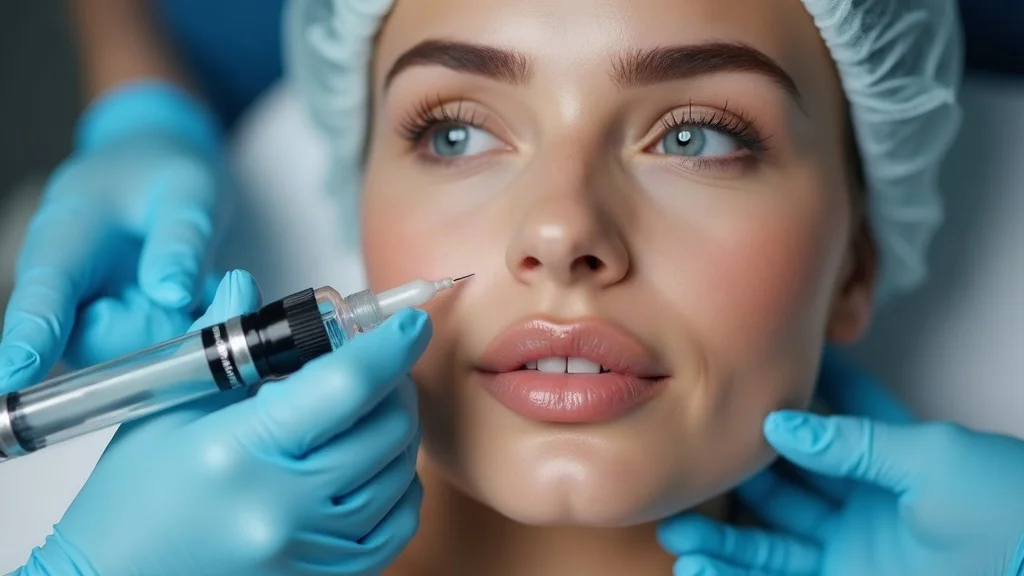
Botulinum Toxin and Toxin Injections
Botulinum toxin injections remain among the most popular non-surgical cosmetic procedures worldwide, expertly reducing dynamic wrinkles and preventing their formation. These treatments relax specific facial muscles, creating a smoother and more youthful appearance. Botox and similar toxin injections are also expanding into therapeutic uses, such as migraine relief and muscle spasticity management.
The popularity of botulinum toxin injections reflects patients’ desire for quick, effective results paired with minimal downtime, reinforcing their place within the broader trend toward minimally invasive aesthetic care.
Addressing Nasolabial Fold with Dermal Fillers
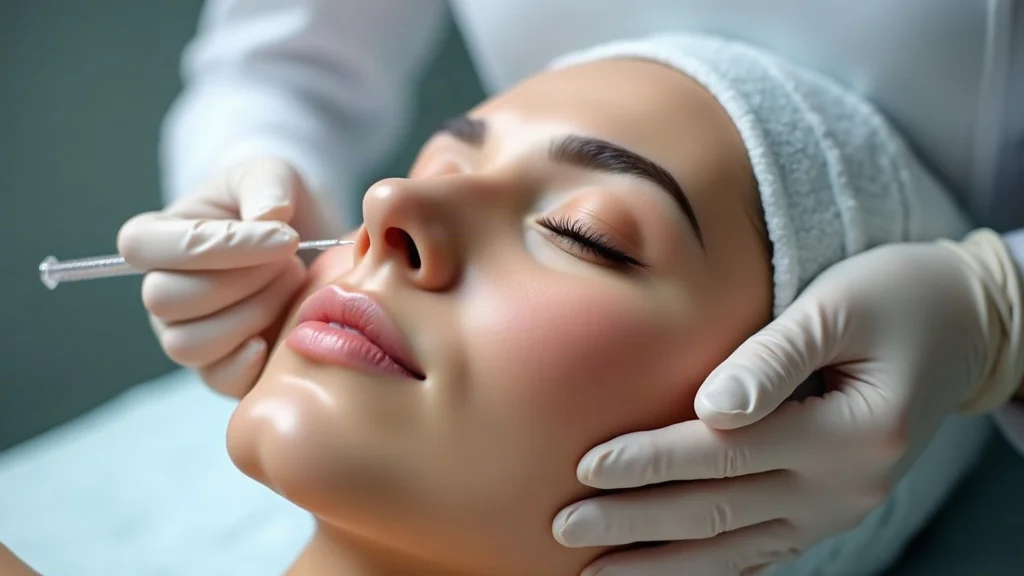
Dermal fillers specifically target deeper lines such as the nasolabial folds, restoring youthful contours to the face. These treatments blend volumizing agents to lift and soften folds, enhancing facial symmetry and reducing signs of aging without surgery. The demand for these fillers continues to rise as patient awareness grows around safe, effective alternatives to invasive procedures.
Common Misconceptions and Mistakes in Non-Surgical Treatment Trends
Despite the booming popularity of non-surgical treatment trends, some misconceptions persist among patients. A frequent misunderstanding is that non-surgical means risk-free or permanent results. While these treatments are safer and less invasive, they require realistic expectations and sometimes maintenance sessions to sustain benefits.
Additionally, some patients attempt do-it-yourself or unregulated procedures which can lead to adverse effects. Consulting licensed professionals like Dion Newton at Pynkerton Chiropractic Group ensures patients receive evidence-based therapies tailored to their specific needs. “Proper patient education and guidance are essential," Dion emphasizes, "to maximize treatment outcomes and avoid common pitfalls. ”

Actionable Tips for Choosing the Right Non-Surgical Treatment
Selecting the appropriate non-surgical treatment involves careful consideration of the patient’s condition, goals, and medical history. Expert consultation is crucial for crafting personalized treatment plans that combine multiple modalities if needed. Clinics like Pynkerton Chiropractic Group pride themselves on their multilingual accessibility, ensuring clear communication and comfort for diverse patient populations in Indianapolis.
To choose the right therapy, patients should prioritize providers offering advanced technologies such as nonsurgical spinal decompression and extracorporeal shockwave therapy, backed by clinical evidence. Transparent cost structures and self-pay options can make these progressive treatments more accessible without insurance hurdles. This approach empowers patients to actively participate in their recovery and aesthetic journey.

People Also Ask
What is the newest non-surgical facelift?
The newest non-surgical facelift treatments often combine dermal fillers with botulinum toxin injections and skin-tightening technologies to achieve subtle lifting effects without surgery. These hybrid approaches stimulate collagen production while smoothing wrinkles, offering a natural rejuvenation with minimal downtime.
What is the most popular non-surgical cosmetic procedure?
Botulinum toxin injections remain the most popular non-surgical cosmetic procedure worldwide due to their effectiveness in reducing dynamic wrinkles and improving facial aesthetics quickly and safely.
What beauty treatments are trending right now?
Trending beauty treatments include hyaluronic acid fillers, extracorporeal shockwave therapy for skin and tissue regeneration, and combination therapies incorporating toxin injections with microneedling or laser resurfacing.
What are the cosmetic surgery trends for 2026?
Cosmetic surgery trends in 2026 show a growing preference for minimally invasive hybrid procedures, combining surgical precision with non-surgical techniques to optimize results while reducing recovery time.
Feature |
Surgical Cosmetic Procedures |
Non-Surgical Treatment Trends |
|---|---|---|
Invasiveness |
High |
Low |
Recovery Time |
Weeks to months |
Minimal to days |
Risk Level |
Higher |
Lower |
Popular Treatments |
Facelifts, Liposuction |
Botulinum toxin, Dermal fillers, Shockwave therapy |
Cost |
Generally higher |
Generally lower |
Key Takeaways
Non-surgical treatment trends offer effective, minimally invasive alternatives to traditional surgery.
Innovations like nonsurgical spinal decompression and extracorporeal shockwave therapy are expanding treatment options.
Aesthetic treatments using hyaluronic acid and botulinum toxin remain highly popular.
Realistic expectations and professional guidance are essential for successful outcomes.
Hybrid approaches combining surgical and non-surgical methods are shaping future cosmetic trends.
“Our clinic’s focus on personalized, multilingual care ensures patients receive the most advanced non-surgical treatments tailored to their needs,” says Dion of the Indianapolis clinic.
Conclusion
Embrace modern, minimally invasive therapies like spinal decompression and shockwave therapy to accelerate recovery and enhance wellbeing. Contact Pynkerton Chiropractic Group at +13172577463 today to explore tailored, expert care in South Broad Ripple.






Write A Comment