

Ready for a fact that will change how you view your daily nutrition? Did you know over 90% of women fall short on at least one essential vitamin or mineral every day? In a world that champions wellness and fitness, it's eye-opening to realize just how common vitamin and mineral gaps are—even among well-informed, proactive women. This article unlocks the real story behind these crucial nutrients, exploring what you truly need, where to find it, and how to make smart choices for lifelong health. Whether you're striving for better energy, strong bones, or improved fitness, this resource will help you ensure your diet—and any supplements—are working for you, not against you.
Unlocking the Power of Vitamins and Minerals: An Eye-Opening Statistic
“Did you know over 90% of women fall short on at least one essential vitamin or mineral every day?”
This striking statistic reveals a widespread gap in women’s nutrition—despite the best intentions. From busy schedules to restrictive diets and evolving wellness trends, it's no wonder so many fall short on their daily needs for vitamins and minerals. Yet, these nutrients are not optional extras; they are **fundamental for energy, immunity, and overall vitality**. Deficiencies—even small ones—can impact everything from mental sharpness to workout recovery, and over time, increase the risk for serious health concerns. Recognizing this reality is the first step toward making truly informed, health-boosting choices.

What You'll Learn About Vitamins and Minerals
Understanding the essential vitamins and minerals your body needs
Food sources and how to incorporate them in your diet
The difference between vitamins and minerals
When to consider dietary supplements
Expert recommendations for wellness-conscious women
Understanding Vitamins and Minerals: Basics Every Woman Should Know
What Are Vitamins and Minerals, and Why Are They Essential?
Vitamins and minerals are the tiny but mighty nutrients that keep every cell, system, and organ functioning at their best. While vitamins like ascorbic acid (vitamin C) help your body form collagen, heal wounds, and boost immunity, minerals such as calcium and magnesium are critical for strong bones, muscle contractions, and even controlling blood pressure. Your body needs only small amounts of each—but missing them can make it tough to stay healthy and achieve peak fitness. Unlike macronutrients (carbs, proteins, fats), vitamins and minerals don’t provide energy or calories; instead, they’re catalysts that help energy production, hormone balance, and immune defenses work properly. They’re especially important for women of all ages due to menstrual cycles, pregnancy, menopause, and the unique demands placed on women’s bodies across the lifespan.
Differences Between Vitamins and Minerals
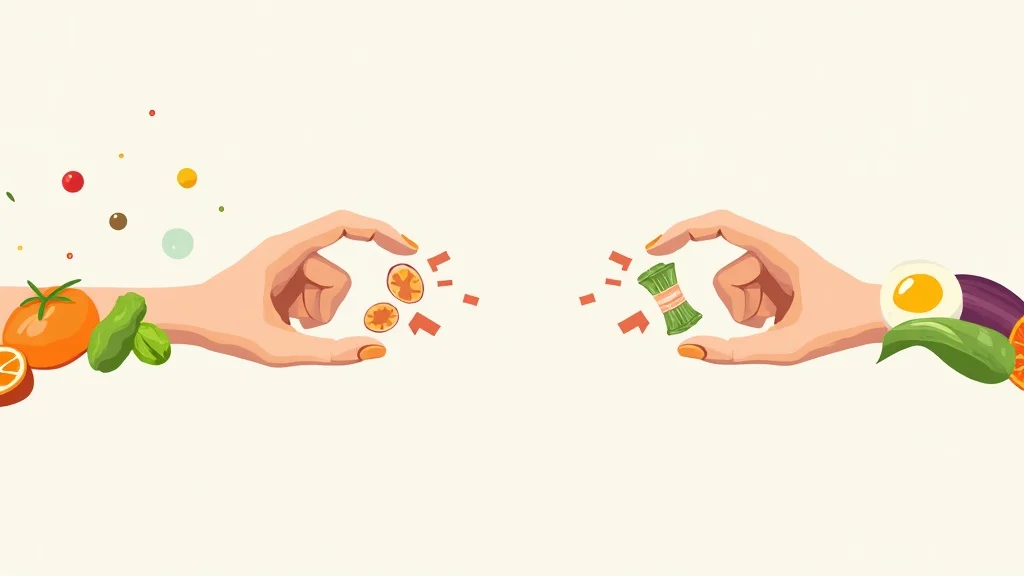
It’s easy to see the words “vitamins” and “minerals” paired together, but they are chemically—and functionally—different. **Vitamins** are organic compounds, meaning they’re made by plants or animals and are easily destroyed by heat, air, or acid. Water-soluble vitamins (like B and C) need to be replenished more often, while fat-soluble vitamins (like A, D, E, and K) can be stored in body fat. **Minerals**, on the other hand, are inorganic elements (like iron, calcium, or zinc) found naturally in soil and water. Plants absorb them, and we get them by eating a variety of foods. Your body usually needs both in small amounts to work properly, but each plays unique roles—some minerals help muscles contract, while others are vital for nerve function or making hormones. Understanding these differences can make it easier to plan a diet—and use supplements—wisely.
As you focus on optimizing your intake of essential nutrients, it's also helpful to consider how specific foods can deliver a powerful nutritional boost. For example, eggs are a versatile source of high-quality protein and a range of vitamins and minerals—discover the healthiest ways to enjoy them for maximum benefit in this guide to eating eggs for optimal nutrition.
How Do Vitamins and Minerals Impact Women’s Wellness and Fitness?
Vitamins and minerals act as fuel for the powerhouse that is the human body, supporting everything from bone density to hormone regulation. – Registered Dietitian From supporting healthy skin and hair to powering through workouts, optimizing **vitamins and minerals** intake is key for women aiming at overall wellness. Iron and folic acid help prevent anemia and support healthy pregnancies; calcium, vitamin D, and magnesium promote bone strength, which is critical as women are at higher risk of osteoporosis with age. Many vitamins—like B-complex—convert food into usable energy, while minerals such as selenium and zinc support immune defenses and reproductive health. A deficiency or imbalance, even if subtle, can make daily stress feel heavier and recovery from exercise longer. By learning how to meet their nutrient needs, wellness-focused women can boost their health, energy, and longevity.
The Complete List: Essential Vitamins and Minerals
What are the 13 Vitamins or Minerals?
Vitamin A
Vitamin C (ascorbic acid)
Vitamin D
Vitamin E
Vitamin K
Thiamin (B1)
Riboflavin (B2)
Niacin (B3)
Pantothenic acid (B5)
Vitamin B6
Biotin (B7)
Folate (B9, including folic acid)
Vitamin B12 (cobalamin)
What Are the 26 Essential Vitamins and Minerals?
All above vitamins plus: Calcium, Chloride, Chromium, Copper, Fluoride, Iodine, Iron, Magnesium, Manganese, Molybdenum, Phosphorus, Potassium, Selenium, Sodium, Sulfur, Zinc
What Are the 60 Minerals Your Body Needs Every Day?
In addition to essential major and trace minerals, experts recognize a broader group of trace minerals (such as boron, vanadium, nickel, silicon, and others) that the body needs in very small amounts to work properly. While the exact list is debated, 60 minerals is a comprehensive tally to account for all possible trace mineral needs found in various foods and water. These “microminerals” play critical, often underappreciated roles in enzyme reactions, bone health, nerve function, and more.
Comparison of Essential Vitamins and Minerals |
|||
Set |
Main Names |
Main Functions |
Recommended Daily Intake |
|---|---|---|---|
13 Essentials |
A, C, D, E, K, B1, B2, B3, B5, B6, B7, B9, B12 |
Vision, immunity, bone health, clotting, energy, skin, nerves |
Varies by vitamin (e.g., Vitamin C: 65-90mg; D: 600-800IU) |
26 Expanded |
All above, plus Ca, Mg, Fe, Zn, Cu, Se, I, Mn, Mo, Cr, P, K, Na, F, Cl, S |
Bone, muscle, nerve, oxygen, thyroid, metabolism, hydration |
(e.g., Calcium: 1000mg; Magnesium: 310-320mg; Iron: 18mg women) |
60 Trace Minerals |
Includes 26+, plus trace—Boron, Lithium, Vanadium, Nickel, Tin, etc. |
Enzyme activity, hormone balance, cellular processes |
Trace, often in micrograms or less |
Food Sources of Vitamins and Minerals for Optimal Health
Natural Food Sources: What to Add to Your Plate
Nothing beats real food when it comes to getting vitamins and minerals. The best strategy? Fill your plate with a variety of foods from all food groups. Each color and texture brings a unique nutrient set. Vegetables, fruits, whole grains, lean proteins, dairy, and plant-based alternatives—these are the foundations of a nutrient-rich, balanced diet. For example, leafy greens (spinach, kale) and cruciferous veggies are excellent sources of calcium, vitamin K, and magnesium; citrus fruits and bell peppers are rich in vitamin C; dairy foods, including yogurt and cheese, supply calcium and vitamin D; while fish and seeds are excellent sources of omega-3s and trace minerals. By eating diverse, minimally processed foods, you supply your body the small amounts of essential nutrients it needs to work properly.

Fruits and vegetables
Whole grains
Lean proteins
Dairy and alternatives
Superfoods High in Vitamins and Minerals
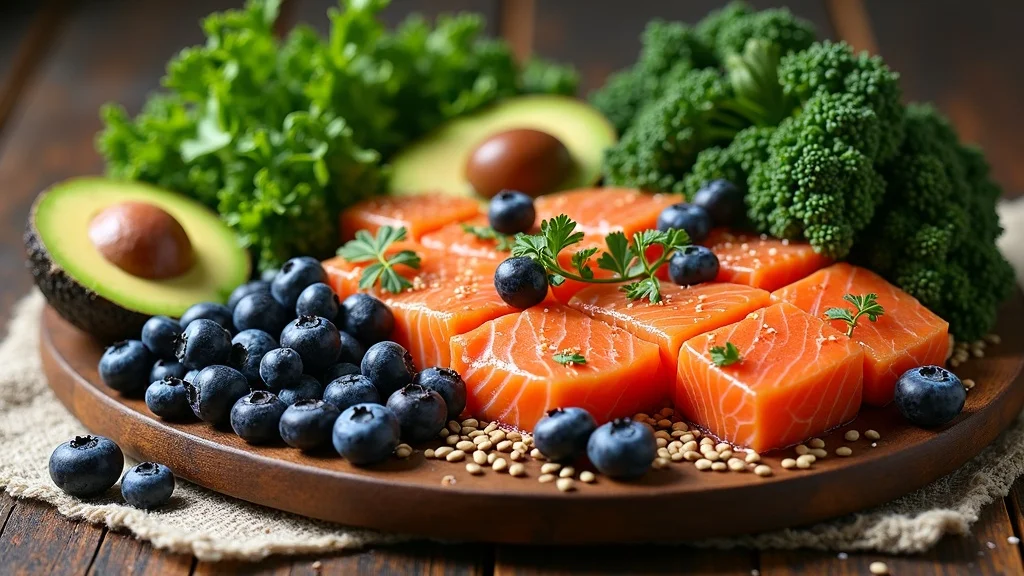
Certain foods stand out as especially dense in vitamins and minerals—the so-called “superfoods. ” Blueberries, avocados, salmon, kale, nuts, and seeds pack remarkable nutrient power per bite. For example, salmon provides not just protein but a host of minerals and vitamin D; kale delivers a cocktail of A, K, and iron; avocados are rich in healthy fats and magnesium. Highly pigmented fruits and vegetables (think: beets, sweet potatoes, berries) are often loaded with antioxidants, vitamins, and trace minerals vital for optimal health. Don’t forget seeds (chia, pumpkin, sunflower) as good sources of zinc, magnesium, and even trace minerals. Making these foods regulars in your diet is a simple way to maximize your intake.
Daily Tips for Women: Building a Vitamin and Mineral-Rich Diet
“A balanced diet provides nearly all the essential vitamins and minerals needed for optimal health, especially for active women.” – Expert Nutritionist
Strong nutrition habits make meeting your daily needs manageable, even with a busy life. Start by filling half your plate with colorful produce at every meal. Include at least two servings of dairy or fortified alternatives, enjoy lean proteins, and swap white grains for whole grains. Hydrate with water and limit ultra-processed snacks, which often lack key micronutrients. For active or fitness-focused women, some nutrients—like iron and B vitamins—may need a closer watch, so tracking food patterns or using apps can help catch any gaps. If you suspect your intake is falling short or you’re in a life stage with higher demands (pregnancy, heavy exercise, menopause), consult your care provider about whether a vitamin and mineral supplement is right for you.
Dietary Supplements: When Vitamins and Minerals Need a Boost
Understanding Dietary Supplement Options
Sometimes, the best efforts aren’t enough—enter dietary supplements. While most women can get enough nutrients from food, there are times when a dietary supplement can fill in specific gaps. These include multivitamins, single-nutrient pills, chewables, and even powders. Always remember, dietary supplements are meant to “supplement”—not replace—a **healthy diet**. Active women, vegetarians or vegans, those with allergies or food intolerances, or during pregnancy and lactation may need targeted support. Common supplements are vitamin D, calcium, iron, and folic acid. However, more isn’t always better; always match a product to your current needs, and ideally, seek guidance from a healthcare provider or registered dietitian.

Pros and Cons of Dietary Supplements for Women
Supplements can be a useful tool for women when used wisely. Pros include convenience, precise dosing, and support for known deficiencies—especially when dietary changes aren't sufficient. For example, women with heavy periods may need an iron supplement; those in northern climates may benefit from vitamin D in winter. Cons can include possible nutrient overdosing, interaction with medications, and the risk of low-quality or mislabeled products, especially in the largely unregulated supplement market. Some supplements may also contain extra ingredients or fillers not needed for health. This makes it essential to read labels, know your needs, and consult a professional before starting any new supplement, especially if you’re pregnant, breastfeeding, or managing a chronic health problem.
Vitamin and Mineral Supplements: What to Look For
When choosing a **vitamin and mineral supplement**, look for certifications such as USP, NSF, or third-party testing for quality assurance. Select products that match your age, gender, and life stage (e. g. , prenatal vitamins for those pregnant or trying). Avoid megadoses unless prescribed by your care provider, and check for forms of minerals that are well-absorbed (such as methylfolate instead of simple folic acid if you have methylation concerns). Remember, a supplement cannot compensate for a consistently poor diet—think of it as a supportive boost, not a crutch. Pay close attention to your body’s responses, and keep your healthcare team in the loop about everything you’re taking.
Common Questions About Mineral Supplements and Their Effectiveness
Many women wonder if **mineral supplements** are truly effective. Research suggests that supplements may help those with clear deficiencies or limited absorption, but they can’t offer the full spectrum of benefits found in whole foods, which contain numerous co-nutrients and fibers that assist absorption. Quality, dose, form, and timing all impact effectiveness. Ultimately, if your diet is varied and packed with nutrient-dense options, supplements may not be needed daily. However, in certain cases—like pregnancy, menopause, or for athletes—a good mineral supplement can be helpful. Always approach supplements informed, and buy from reputable brands that provide full transparency about ingredients and sourcing.
Special Focus: Folic Acid, Pantothenic Acid, and Other Key Micronutrients
Folic Acid: Why It Matters Especially for Women
Folic acid (the synthetic form of folate) is a B vitamin critical for women, especially those of childbearing age. It helps prevent serious birth defects of the brain and spine and supports DNA synthesis and cell growth. Because about half of pregnancies are unplanned and folic acid must be present in the body before conception, expert guidelines recommend women who could become pregnant consume at least 400 micrograms daily from a supplement or fortified foods, even in addition to what comes from a varied diet (like leafy greens, beans, and citrus). Inadequate uptake can lead to anemia and other health problems, making it a cornerstone micronutrient for women’s wellness.
Pantothenic Acid and Its Benefits in Wellness
Pantothenic acid (vitamin B5) is less famous but just as essential, participating in the production of coenzyme A—a molecule involved in synthesizing and breaking down fatty acids. Found in almost every food group (hence its name from the Greek “everywhere”), it’s often present in small amounts in dairy foods, eggs, lean meats, whole grains, and lentils. Pantothenic acid supports stress hormone production, converts carbohydrates into energy, and aids in maintaining healthy skin and nerves. Most people get enough if eating a balanced, diverse diet, but restrictive eating or chronic stress may raise your need for this critical B vitamin.
Other Crucial Vitamin and Mineral Supplements for Fitness
In addition to folic acid and pantothenic acid, women focused on fitness and wellness should watch other micronutrients: Iron (for oxygen transport and energy), vitamin D (for bone and immune support), calcium (for bones and heart), magnesium (essential for muscle recovery and performance), and zinc (which helps with muscle repair and immune balance). Supplementation should target only those where your dietary intake is insufficient or when additional needs arise from heavy exercise, pregnancy, or other health factors. It’s always best to have bloodwork or consult your care provider to tailor the right plan for your unique body and wellness goals.
Animated explainer:
Recommended Daily Intake: What Vitamins and Minerals Should I Have Daily?
Guidance for Fitness and Wellness-Focused Women
Your recommended daily intake for vitamins and minerals depends on your age, activity level, and life stage. Active and wellness-conscious women may need greater amounts of certain nutrients (like B12 or iron) due to menstrual loss, muscle repair, or metabolic demand. Use guidelines like the Recommended Dietary Allowance (RDA) as a jumping-off point, and highlight nutrient-dense foods such as leafy greens, seeds, fish, and dairy products. For a personalized plan, collaborate with your care provider to check your levels and ensure supplements are only used when truly beneficial.
Table: Recommended daily allowances by age and life stage
Signs You Might Be Deficient in Essential Vitamins and Minerals
Deficiency in key vitamins and minerals can present with subtle symptoms: fatigue, brittle nails or hair, muscle cramps, brain fog, frequent illness, or slow recovery after workouts. Persistent cravings, frequent headaches, or even changes in skin or vision may signal your body needs more of a certain nutrient. If you notice these signs, assess your food sources and dietary patterns. Lab work—guided by a healthcare provider—can pinpoint deficiencies, leading to more precise supplementation if needed. Ignoring low intake can set the stage for long-term health problems, so stay vigilant and proactive for your wellness journey.
People Also Ask: Vitamins and Minerals
What are the 13 vitamins or minerals?
The 13 essential vitamins are: Vitamin A, Vitamin C (ascorbic acid), Vitamin D, Vitamin E, Vitamin K, Thiamin (B1), Riboflavin (B2), Niacin (B3), Pantothenic Acid (B5), Vitamin B6, Biotin (B7), Folate (B9, including folic acid), and Vitamin B12 (cobalamin). These are crucial for everything from immune function to maintaining strong bones and turning food into energy. Deficiency in any one can impact how your body looks, feels, and performs.
What vitamins and minerals should I have daily?
Every day, you should aim to get an assortment of all 13 essential vitamins, as well as key minerals like calcium, magnesium, potassium, iron, zinc, and selenium. While precise needs vary by age, life stage, and activity level, a healthy diet with a wide variety of foods—colorful plants, dairy products, lean proteins, and whole grains—will cover most bases. If you have increased needs (for example, during pregnancy), targeted supplements may be necessary as advised by your care provider.
What are the 26 essential vitamins and minerals?
The “26 essentials” include the 13 vitamins listed earlier, plus minerals such as calcium, iron, magnesium, potassium, zinc, copper, iodine, selenium, phosphorus, manganese, molybdenum, fluoride, sodium, chromium, chlorine, and sulfur. These minerals are essential for your body to work properly, so eating nutrient-dense food sources and, if advised, using a dietary supplement, are smart ways to stay healthy.
What are the 60 minerals your body needs everyday?
Beyond the main minerals, your body also needs a range of trace minerals, often in very small amounts. These might include boron, vanadium, silicon, nickel, tin, lithium, and others, each playing specialized roles in enzyme reactions, hormone production, and cellular health. You get these from food sources like nuts, grains, veggies, and water. While deficiency in trace minerals is rare, a balanced diet with plenty of whole foods ensures broad coverage.
FAQs About Vitamins and Minerals for Women
Do I need a vitamin and mineral supplement if I eat a healthy diet?
If you consistently eat a well-balanced diet packed with whole foods from every group, you may not need to take a vitamin and mineral supplement. However, certain life situations (pregnancy, intense fitness, menopause, dietary restrictions) might require extra support. Always consult your care provider for personalized advice.Can you have too many vitamins or minerals?
Yes—taking more than the recommended amount of some vitamins and minerals can cause side effects or health problems (like nerve issues, digestive trouble, or kidney stones). Avoid megadoses unless prescribed, and aim for balance from food sources whenever possible.Are dietary supplements safe for pregnant or breastfeeding women?
Some dietary supplements, such as prenatal vitamins, are beneficial and even recommended during pregnancy or breastfeeding. However, not all supplements are safe for these stages. Always consult your care provider before starting any new supplement to ensure it meets your needs and is safe for your baby.How do I choose a high-quality mineral supplement?
Look for third-party tested brands and certifications (USP, NSF, GMP). Select a mineral supplement that clearly lists all ingredients, matches your specific needs, and avoids unnecessary extras. When in doubt, get advice from a registered dietitian or your healthcare team.
Key Takeaways: Vitamins and Minerals for Women’s Wellness
Diversify your diet for broad vitamin and mineral coverage
Some life stages need targeted supplementation
Consult with a healthcare professional for personalized advice
Final Thoughts on Vitamins and Minerals for Your Health
Explore More: Take Charge of Your Nutrition Journey
Learn more at www.wellnessdigest.live
As you continue to refine your approach to nutrition and wellness, remember that supporting your body’s needs goes beyond just vitamins and minerals. For a holistic boost to your overall health, consider how dietary fiber can enhance digestion and nutrient absorption. If you’re interested in practical ways to improve your gut health and relieve common issues like constipation, explore these top high-fibre foods for digestive wellness. Taking the next step in your nutrition journey can empower you to feel your best from the inside out—one smart choice at a time.
Start small, aim for variety, and let informed choices guide your journey to vibrant health.
Sources:
To deepen your understanding of essential vitamins and minerals, consider exploring the following authoritative resources: The article “Vitamins and minerals, explained” from the Center for Science in the Public Interest provides a comprehensive overview of daily values and the roles these nutrients play in maintaining health. The Cleveland Clinic’s “Vitamins & Minerals” article offers detailed insights into the functions, sources, and recommended intakes of various vitamins and minerals, emphasizing their importance in overall wellness. If you’re serious about optimizing your nutrition, these resources will provide you with valuable information to make informed dietary choices.




Write A Comment