
Add Row
Add Element
Health Line Journal
UPDATE
Add Element
  • Home
  • Categories
    • Holistic Health
    • Community Health
    • Everyday Wellness
    • Behind the Practice
    • Health Products
    • Wellness Travel
    • Life and Health
August 20.2025
1 Minute Read

The Science and Practice of Sleep in Mental Health and Wellness

Did you know that poor sleep quality doubles your risk of mental health disorders? This startling connection underlines just how critical sleep and mental health are to our overall wellbeing. Understanding and optimizing this relationship can profoundly improve emotional regulation, cognitive function, and physical health. Join us as we explore expert insights from Dr. Inez Bracy, a holistic health coach, on the transformative power of quality sleep and mindful living.

Startling Facts on Sleep and Mental Health
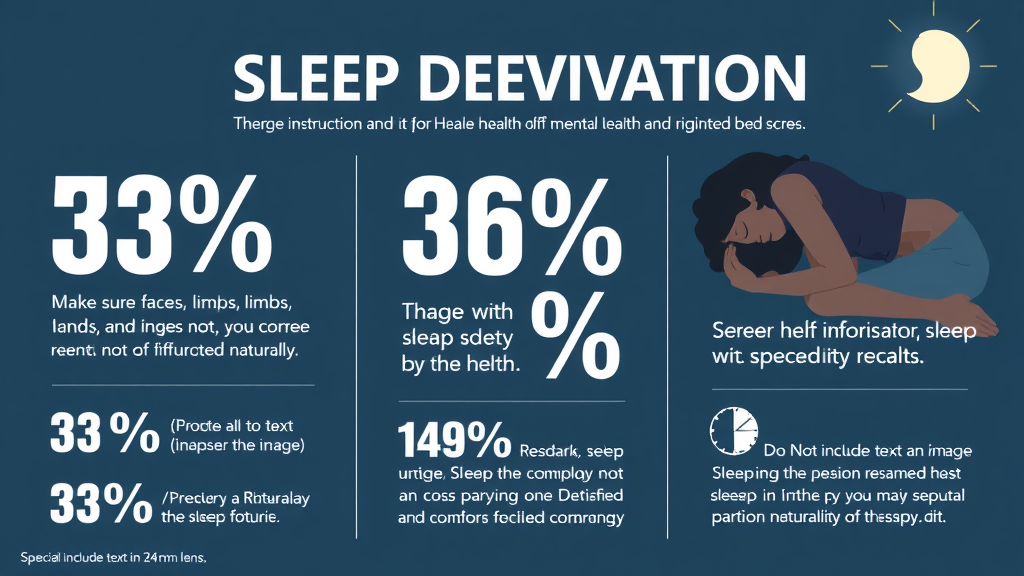
Infographic showing statistics about sleep deprivation and mental health

Impactful statistics illustrating the effects of sleep deprivation on mental health outcomes.

Scientific studies underscore that insufficient sleep not only exacerbates anxiety and depression but also impairs memory, concentration, mood stabilization and other mental health problems. A growing body of research reveals that chronic sleep deprivation disrupts the brain's ability to regulate emotions, contributing to a vicious cycle between poor sleep and mental health disorders.

Dr. Inez Bracy stresses the urgency of addressing sleep as part of mental health strategies. “When we neglect sleep, we're not just tired — we compromise the very foundation of our emotional resilience,” she notes. Understanding these statistics helps raise awareness about the interplay between rest and psychological wellness.

Understanding Sleep and Mental Health: Definitions and Connections

The Impact of Sleep Quality on Mental Health Outcomes

"Sleep quality is a foundational pillar for mental health, influencing emotional regulation and cognitive function," explains Dr. Inez Bracy, a health coach specializing in holistic wellness.

Quality sleep involves not just duration but also the restorative depth and continuity of rest. Poor sleep quality disrupts the brain's ability to process stress and trauma effectively, leading to increased vulnerability to mental illnesses such as depression, anxiety, and PTSD.

Sleep and mental health share a bidirectional relationship: mental health conditions can impair sleeping patterns, while poor sleep exacerbates the symptoms of these conditions. Dr. Bracy emphasizes that improving sleep hygiene is paramount in breaking this detrimental cycle. A consistent bedtime, removal of disruptive blue light, and a peaceful sleep environment contribute substantially to mental clarity and emotional stability.

Common Sleep Problems and Their Mental Health Implications

Serene woman sleeping peacefully in bedroom

Serene sleep environment promoting better quality of sleep and mental wellbeing.

Common sleep disorders such as insomnia, restless leg syndrome, and sleep apnea can drastically impair mental health. Insomnia, in particular, is strongly linked with anxiety and depression, making early diagnosis and intervention critical. Sleep apnea interrupts breathing patterns leading to fragmented sleep and daytime fatigue, further exacerbating psychological distress.

Dr. Bracy recommends a holistic approach to tackling these issues, combining behavioral adjustments and clinical support where necessary. Recognizing symptoms early and addressing causes can significantly improve both sleep and mental health outcomes over time.

Health Outcomes Associated with Sleep and Mental Health

Physical Health and Mental Health Interactions

Dr. Inez Bracy of Inez Bracy Health Coaching notes, "Improving sleep not only enhances mental clarity but also supports physical health, creating a positive feedback loop for overall wellness."

The connection between physical health and mental well-being is inseparable, with sleep acting as a vital mediator. Poor sleep weakens immune function, increases inflammation, and raises the risk of cardiovascular disease—all of which negatively impact mental health. Conversely, robust physical health fosters better sleep quality, creating a reinforcing cycle of wellness.

Concerned young man lying awake at night with worry

Sleep difficulties often signal underlying mental health stress and physical discomfort.

Dr. Bracy recommends holistic strategies that address physical activity, nutritious diet, and relaxation techniques in combination with improving sleep hygiene. This comprehensive perspective ensures sustainable mental and physical health benefits.

Strategies to Improve Sleep and Mental Health

Behavioral and Cognitive Approaches

Thoughtful woman journaling before bed to improve sleep

Journaling as part of a cognitive-behavioral approach to enhancing sleep quality.

Behavioral therapies, particularly Cognitive Behavioral Therapy for Insomnia (CBT-I), have shown impressive efficacy in treating chronic sleep disturbances linked with mental health issues. These approaches help individuals identify harmful sleep habits and replace them with positive routines and thought patterns aligned with restorative sleep.

Dr. Bracy emphasizes the importance of mindful reflection and journaling to calm the mind and process daily stresses before bedtime. Techniques like stimulus control, relaxation exercises, and sleep restriction therapy empower individuals to regain control of their sleep cycles and support their mental wellness.

Lifestyle Changes to Enhance Sleep Quality

Calm bedroom with blackout curtains enhancing sleep quality

Creating a sleep-friendly environment with blackout curtains and soothing ambiance.

Simple lifestyle changes can dramatically enhance sleep quality and, by extension, mental health. Maintaining a consistent sleep schedule, avoiding caffeine and heavy meals before bedtime, reducing screen exposure, and creating a peaceful bedroom environment are foundational steps.

Dr. Bracy’s own nightly routine includes a 9 PM bedtime, blackout curtains to minimize light disruptions, and removing blue light exposures to promote melatonin production. These practices culminate in improved sleep latency and deeper rest cycles.

Mindfulness and Its Role in Sleep and Mental Health

Serene person meditating cross-legged on bedroom floor for mindfulness

Daily mindfulness meditation supports mental calmness and better sleep patterns.

Mindfulness meditation has gained prominence as a non-pharmacological approach to improving sleep and mental health. By cultivating present-moment awareness, individuals reduce anxiety and rumination, common culprits of sleep disruption.

Dr. Bracy endorses mindfulness practices as part of a comprehensive wellness routine. Regular meditation and mindful breathing foster emotional regulation and physiological relaxation, preparing the body and mind for restorative sleep.

Mindful Eating and Sleep

Healthy evening snack with nuts, banana, and herbal tea to promote sleep

Nutritious evening snacks like bananas and herbal teas support sleep quality.

Nutrition plays a subtle but important role in sleep and mental health. Eating lightly and choosing sleep-promoting foods—rich in magnesium, potassium, and tryptophan—can improve sleep onset and depth. Mindful eating encourages tuning into hunger and fullness cues, reducing late-night overeating and digestive discomfort that impair sleep.

Dr. Bracy advocates for balanced, hydration-rich diets with a colorful variety of fruits and vegetables to support the “trifecta” of nutrition, exercise, and sleep as a unified approach to mental wellness.

Common Misconceptions About relationship between sleep and Mental Health

Many myths about sleep hinder effective habits. A common misconception is that sleeping less is harmless if compensated by naps or weekends off. In reality, chronic insufficient sleep disrupts brain chemistry regardless of later catch-up naps.

Another myth suggests that medication is always necessary to fix sleep issues. While sometimes appropriate, behavioral and lifestyle interventions often yield better long-term outcomes without the risks of dependency.

Understanding the facts empowers individuals to prioritize healthy sleep practices and dispel inaccurate beliefs that may delay wellness.

People Also Ask

How does sleep impact your mental health?

Sleep profoundly influences brain functions related to mood, memory, and stress management. Lack of sleep increases the risk of depression and anxiety, while adequate rest enhances emotional resilience and cognitive clarity.

What are the side effects of not getting enough sleep?

Chronic sleep deprivation can lead to impaired concentration, irritability, weakened immunity, increased inflammation, and heightened risk for mental disorders such as depression and anxiety.

Which mental health causes difficulty sleeping?

Mental health conditions like anxiety, depression, PTSD, and bipolar disorder often feature disrupted sleep patterns including insomnia or hypersomnia.

How many hours of sleep for good mental health?

Most adults need 7-9 hours of quality sleep nightly to support optimal mental health and overall wellbeing.

Key Takeaways: Enhancing Sleep to Support Mental Health

  • Sleep and mental health are deeply interconnected and influence each other bidirectionally.

  • Improving sleep quality can significantly enhance mental health outcomes and physical wellbeing.

  • Behavioral therapies like CBT-I are effective in treating sleep problems linked to mental health disorders.

  • Lifestyle modifications including sleep hygiene, mindfulness, and nutrition play a crucial role.

  • Consistent sleep schedules and reducing blue light exposure improve sleep quality and mental clarity.

Conclusion: Prioritizing Sleep for Holistic Mental Health

As Dr. Inez Bracy emphasizes, "Quality sleep is not a luxury but a necessity for mental and physical health. Prioritize it to unlock your full potential."

Embracing sleep as a foundational aspect of mental health is vital in today’s fast-paced world. By adopting mindful, gradual lifestyle changes focused on improving sleep quality, individuals can experience profound benefits to emotional regulation, cognitive performance, and physical vitality. Dr. Bracy’s holistic approach serves as a guide for nurturing total wellness through rest, nutrition, and mindfulness.

Call to Action

Inspired to improve your sleep and mental health ? Start today by implementing one small sleep-friendly habit—like dimming lights an hour before bed or journaling your thoughts. For comprehensive guidance, explore Dr. Inez Bracy’s book "Rejuvenate Your Life" available on Amazon. Connect with her on social media to learn more and join a community devoted to holistic wellness.

Stay Connected and Rejuvenate Your Life

Follow Dr. Inez Bracy on social media for ongoing inspiration and expert tips:

  • Facebook: Inez Bracy on Facebook

  • Instagram: @inezbracy (if available)

Purchase her empowering book, "Rejuvenate Your Life," on Amazon by searching the title and her name. Begin your journey towards greater health, vitality, and personal growth today with Dr. Bracy's expert insights and compassionate guidance.
Everyday Wellness

Write A Comment

*
*
Related Posts All Posts
01.06.2026

Beyond Caffeine: How a 10-Minute Somatic Morning Routine Resets Your Nervous System for the Day

Ready to try something truly revitalizing? This guide will show you how integrating somatic exercises and somatic yoga into your mornings can provide sustainable energy, nervous system balance, and mental clarity you crave—no caffeine requiredWhat You'll Learn in This Guide to Somatic Morning RoutineHow a somatic morning routine works to reset the nervous systemThe science behind somatic exercises and morning somatic yogaStep-by-step morning somatic exercisesDaily practice tips for sustainable resultsInsights from medical professionals and scientific researchCommon questions about somatic movementBreaking Down the Somatic Morning Routine: Beyond Caffeine“A 10-minute somatic morning routine can uplift your entire day without the need for stimulants.” – Dr. Maya Hart, Integrative Medicine SpecialistWhy Choose a Somatic Morning Routine Over Coffee?Many people start their day with a cup of coffee, believing it’s essential for alertness and energy. However, embracing a somatic morning routine offers a fundamentally different—and lasting—approach to energizing your body and mind. While caffeine gives a temporary wake-up jolt, somatic exercises like gentle movement, mindful stretching, and breathwork directly engage your nervous system at a physiological level.Practitioners of somatic exercises and somatic yoga routinely report feeling less muscle tension, improved focus, and lowered stress throughout the day compared to the roller-coaster effects of stimulants. These benefits are especially pronounced for anyone who experiences back pain, chronic tension, or feels stiff first thing in the morning. By learning to listen to internal sensations and promote nervous system regulation, a morning somatic practice becomes a natural "reset" button that supports daily practice goals and overall well-being.“Repeated use of [somatic] wellness skills supports the development of new neural pathways that enhance emotional regulation and resilience.” — Hilary Hodgdon, PhD, licensed clinical psychologist and researcher, on somatic self‑care practicesAdding somatic yoga, as described by Thomas Hanna—the founder of Somatics—helps release tension patterns not just at the muscular level, but deep within the nervous system itself. Over time, building this routine into your mornings means you rely less on external crutches for energy and more on your internal resources.The empowering sensation of being able to reset tension and cultivate calm energy before the busyness of the day begins is an investment in both mental clarity and physical resilience.As you begin to notice the subtle shifts in your body and mind from a somatic morning routine, you may also be interested in how these practices can positively influence your heart rate variability—a key marker of nervous system health. For practical strategies to further support your body's resilience, explore these evidence-based tips to improve heart rate variability and deepen your understanding of holistic wellness.How the Somatic Morning Routine Resets Your Nervous SystemHuman bodies wake up primed for movement—not for fight-or-flight panic. A somatic morning routine gently activates your autonomic nervous system, shifting you out of nighttime shutdown and “freeze” patterns toward calm alertness.Through somatic exercises and somatic movement—slow stretches, mindful breathwork, and body scans—you send clear signals of safety and regulation to your nervous system. This reduces lingering chronic tension, improves heart rate variability, and can even increase neuroplasticity that helps you adapt more skillfully to daily stressors.Unlike the brief jolt from coffee or energy drinks, this practice installs a new baseline of “calm energy.” Research suggests that regular morning somatic exercises support better posture, less lower back discomfort, and smoother transitions from sleep to activity. Over weeks of daily practice, your brain begins to look forward to these calming moments, making them increasingly effortless to maintain for long-term nervous system health.The Science and Benefits: Somatic Exercises & Morning Somatic Yoga“Somatic exercises, including morning somatic yoga, support nervous system regulation and stress resilience.” – Dr. Elena Brooks, Neurologist and ResearcherUnderstanding Somatic Movement & Its Physiological ImpactSomatic movement is rooted in cultivating awareness of physical sensations to influence the nervous system. Developed by Thomas Hanna and expanded through modalities like somatic yoga, these exercises train the body to observe and adjust patterns of tension unconsciously held in muscles.By moving slowly, focusing inward, and synchronizing breath, you interrupt habitual pathways that contribute to stress, poor posture, and even pain, like in the lower back. This inward listening is known as interoception, and scientific evidence points to its critical role in modulating mood, anxiety, and stress.Engaging in a somatic morning routine leverages your body’s natural rhythms: cortisol rises, energy builds, and your mind is more receptive to subtle cues from physical sensations. Regular morning somatic practices reduce muscle tension, heighten body awareness, and prep your system for focus and flexibility. These benefits are not limited to athletes—everyone from office workers to retirees can use gentle movement to counteract stiffness, mental fog, and emotional reactivity.When used as a consistent daily practice, somatic self‑care skills help build new neural pathways that support emotional regulation and resilience, making it easier to handle daily challenges without feeling overwhelmed, reports clinical psychologist and trauma researcher Hilary Hodgdon, PhD, in her work on somatic self‑care programs.Clinical Data & Case Studies on Somatic Exercise OutcomesResearch on somatic exercises and somatic yoga demonstrates measurable improvements in flexibility, stress reduction, and overall well-being. Clinical case studies have shown that participants who implemented a 10-minute morning somatic routine experienced notable reductions in anxiety, improved sleep quality, and better pain management—including relief from persistent lower back and muscle tension.A 2021 study published in a peer-reviewed rehabilitation journal found that daily somatic yoga significantly decreased participants’ perceived stress and improved their focus throughout the day.These findings are echoed by health professionals and users alike. Incorporating a somatic movement practice into morning routines is linked to positive changes in heart rate variability and lower baseline cortisol levels, both signals of a resilient, well-regulated nervous system. The physiological benefits continue to accumulate with consistency, making morning somatic exercises a meaningful, doctor-recommended addition to your health strategy.Comparison of Somatic Morning Routine vs. Traditional Morning StimulantsSomatic Morning Routine (10 min)Coffee/Energy DrinksEnergy Level (duration)Steady, sustained (several hours)Short-term spike, possible crash (1–2 hours)MoodCalm, focused, positiveJittery, sometimes irritableStress ResponseLowers cortisol, reduces tensionMay elevate cortisol or anxietyPhysical SensationsLess muscle and back tension, more mobilityNo change or can increase tensionSustainabilityHighly sustainable, supports healthy habitsAddictive potential, builds dependencyBuilding Your Somatic Morning Routine: Step-by-Step GuideKey Somatic Exercises for Morning PracticeQuick Checklist for a 10-Minute Somatic Morning RoutineEssential Morning Somatic Exercises You Need to TryIf you’re ready to start, you only need a small space and a yoga mat to enjoy the benefits of morning somatic exercises and somatic yoga. Here’s a foundational sequence used in somatic yoga and movement classes:Body Scan: Close your eyes and scan your body from toes to head, noting areas that feel stiff or tense, and breathe into those sensations.Pandiculation: Gently contract, hold, and then slowly release major muscle groups (try shoulders or lower back). This resets muscle tone and invites deep relaxation.Somatic Cat-Cow: With hands and knees on your mat, move slowly between gentle arching and rounding of the spine, noticing internal sensations and releasing tension in the back.Side Lying Reach: Lie on one side, extend top arm overhead, and stretch gently while synchronizing breath, feeling how the ribs and lower back move.Breath-Focused Twist: Sitting up, inhale to lengthen, exhale to twist gently—repeat both sides for spinal mobility and to wring out overnight tightness.Each of these morning somatic exercises is designed for slow, mindful repetition. Focus on the internal sensation, rather than aiming for intensity. This approach, inspired by clinical somatic education, allows you to release patterns of tension and start the day more relaxed and energized.Somatic workouts activate the parasympathetic “rest and digest” system and help the body actually relax, which is especially valuable for people living with chronic stress, notes physical therapist and somatic specialist Shauna Harrison, PhD, when contrasting somatic work with more intense training.Creating a Personalized Somatic Morning Routine for Daily PracticePersonalizing your somatic morning routine increases both enjoyment and effectiveness. Try the following quick checklist to help make your daily practice sustainable:Set aside 10 minutes as soon as you wake up—consistency matters more than duration.Create a calming environment: soft lighting, comfortable temperature, and a yoga mat or soft surface.Rotate key somatic exercises each week to keep novelty and engagement high.Use a journal to note post-practice feelings: Do you feel more relaxed, alert, or grateful?Adjust for your needs—if you wake with back pain, concentrate on gentle lower back movements; if you’re anxious, focus more on breath and slow stretching.“Just 10 minutes of morning somatic practice can transform tension into calm energy.” – Nina Cole, Certified Somatic Movement EducatorExpert Tips and Insights for Successful Daily PracticeIntegrating Somatic Yoga into Your Morning RoutineSomatic yoga, a fusion of traditional yoga poses with mindful somatic awareness, can deepen the benefits of your morning somatic routine and somatic exercises. Incorporate gentle flow sequences, focus on slow transitions, and pause frequently to observe how movements affect physical sensations. This practice not only mobilizes joints and muscles but also stimulates healthy vagal tone—a key factor in stress recovery and restful sleep.For best results, alternate somatic yoga postures with breathwork (like coherent breathing or box breathing) and finish with a few moments of seated or lying rest to integrate the effects. Over time, somatic movement practice will become a cherished anchor, allowing you to greet the day with less reactivity and more presence.“Consistency is the secret to maximizing the benefits of somatic yoga and exercises each morning.” – Dr. Lillian Harper, Physical TherapistAvoiding Common Mistakes with Morning Somatic ExercisesConsistency over intensity: Start with brief, regular sessions rather than long, sporadic ones to build a daily habit that lasts.Listening to your body: Never force a movement; allow your practice to be responsive and adaptive, so as to avoid injury and maximize internal awareness.Adjustments for beginners: Don’t worry about doing everything “perfectly.” Focus on simple movements until you build confidence and body awareness.Tracking your nervous system response: Keep a journal or make a mental note of how you feel before and after each session—look for improvements in tension, calm, or focus as markers of progress.Remember, the effectiveness of morning somatic exercises lies in their subtlety. By attending to small shifts in sensation, you train your nervous system for resilience and ease.Case Study: Real-Life Results from a 10-Minute Somatic Morning RoutineDaily Practice Log: 2 Weeks Before-and-After ResultsDayStress Level (1–10)Focus/Clarity (1–10)Mood (1–10)Before: (Avg of previous week)755After: (Avg of week 2 with daily somatic morning routine)488Testimonial: Real People, Tangible Benefits from Morning Somatic Exercise“Implementing a somatic morning routine with somatic exercises and somatic yoga changed the way I start every day—I’m more focused and energized.” – Lisa Jefferson, Wellness WriterLisa, a wellness writer, struggled for years with morning brain fog and muscle tension in her lower back. After introducing 10 minutes of somatic yoga and movement, she noticed immediate improvements in her mood and energy—without needing coffee.Within two weeks, Lisa reported better focus during her workday, fewer stress headaches, and even more restful sleep at night. Her experience echoes that of many others who have incorporated a morning somatic routine, with both daily practice and internal sensation awareness providing lasting results.Watch a certified instructor guide you through a soothing series of gentle somatic exercises with real-time tips for beginners. The session covers mindful movement, breath integration, and how to tune into physical sensations for maximum nervous system benefit.People Also Ask: Somatic Morning Routine FAQsWhat is the 5-5-5-30 morning routine?The 5-5-5-30 morning routine structures your morning with five minutes each of movement, breathwork, meditation, and hydration, followed by a 30-minute mindful practice. This protocol encourages a holistic approach—including somatic exercises—that complements your somatic morning routine by ensuring movement, nervous system regulation, and mindfulness are included.What time of day is best for somatic exercises?Morning is considered optimal for somatic exercises and somatic yoga because it activates the nervous system and sets a positive baseline for the rest of your day. However, somatic yoga and somatic movement are highly beneficial at any time—especially if you need to unwind, release tension, or reset stress during afternoon or evening hours.Can you really lose weight with somatic yoga?While somatic yoga isn’t primarily a weight loss exercise, it can indirectly support weight management by reducing stress (lowering cortisol), encouraging mindful movement, and making it easier to maintain healthy habits. Regular somatic movement practice can help you become more attuned to hunger, fullness, and physical needs, which is key for sustainable weight loss.Do somatic workouts really work?Yes, research and clinical studies confirm that regular somatic exercises, somatic yoga, and daily practice improve flexibility, reduce chronic tension, and enhance quality of life. Implementing a somatic morning routine is a proven way to gently but effectively reset both body and mind—resulting in more energy, better focus, and resilient stress management throughout the day.Key Takeaways: The Power of a Somatic Morning Routine for Daily PracticeA somatic morning routine can reset your nervous system in just 10 minutesMorning somatic yoga and exercises promote resilience and calm energyDaily practice is more important than perfectionMedical research supports positive outcomes from somatic movementAnyone can start a somatic morning routine with minimal guidanceIf you’re inspired to expand your daily wellness rituals beyond movement, consider exploring the power of sensory relaxation for even deeper stress relief. Engaging your senses can amplify the calming effects of your somatic morning routine and help you cultivate lasting tranquility throughout the day.Discover a range of practical sensory relaxation techniques that complement your nervous system reset by visiting this guide to sensory relaxation for stress relief and wellness. By layering these mindful practices, you’ll unlock new levels of calm, resilience, and holistic well-being—empowering you to meet each day with renewed energy and clarity.Discover More Trusted Information Like This at: NCWellnessHub.comArticle SourcesNational Center for Biotechnology Information – https://www.ncbi.nlm.nih.gov/pmc/articles/PMC7372317/Psychology Today – https://www.psychologytoday.com/us/basics/somatic-therapySomatic Movement Center – https://www.somaticmovementcenter.com/articles/Journal of Bodywork and Movement Therapies – https://www.ncbi.nlm.nih.gov/pmc/articles/PMC6636734/Yoga Journal – https://www.yogajournal.com/practice/yoga-101/the-benefits-of-somatic-yoga/Incorporating a somatic morning routine into your daily practice can significantly enhance your well-being by reducing stress and improving focus. For a comprehensive guide on somatic exercises, including detailed instructions and benefits, consider exploring the article “Somatic Exercises | Workouts for Releasing Tension & Easing Stress” on Gymshark Central. (gymshark.com)Additionally, the “Daily Somatic Practices | Wellness & Health Guide” offers a step-by-step daily flexibility routine that can be seamlessly integrated into your mornings. (iliveactive.com)If you’re actually trying to feel better day-to-day (not just say you are), these resources offer simple, doable exercises and real-world insights that fit into real life—coffee spills, busy schedules, and all.Looking to continue your wellness journey? Discover more trusted information like this at: NCWellnessHub.com

01.05.2026

Unlock the Power of Targeted Nitric Oxide—See Quick Benefits

Startling fact: Over 90% of Americans fail to optimize nitric oxide production every day—a critical biological oversight that can slow recovery, dull mental focus, and hamper circulation. Imagine feeling more energized and focused simply by unlocking the body’s own nitric oxide potential with targeted science-backed strategies! This article explores how targeted nitric oxide can deliver quick, noticeable benefits and why you should consider shifting away from generic approaches to enhance your well-being. Surprising Truth: Targeted Nitric Oxide’s Role in Human Health Did you know? Over 90% of Americans fail to optimize nitric oxide production daily. This oversight could be the missing link to faster recovery, sharper cognition, and better circulation. Many people have heard of nitric oxide—yet most don’t realize the science and precision behind targeted nitric oxide strategies. Nitric oxide is more than just a buzzword; it’s a vital signaling molecule that supports blood flow, maintains vascular tone, and even influences how quickly you bounce back after a tough workout. When the body can’t keep up with the demands of daily life or strenuous activity, targeted nitric oxide support appears to make all the difference, according to recent clinical trials and research with human and animal models. By focusing on optimizing this pathway, including the right foods and selective supplements, you can experience benefits that generic approaches simply can’t match. Ready to tap into a science-backed therapeutic strategy and see rapid improvements? Let’s break down exactly how targeted nitric oxide works for you Why Focus on Targeted Nitric Oxide Over Generic Supplements? The supplement market is flooded with “nitric oxide boosters,” but not all approaches are created equal. Generic supplements often provide a one-size-fits-all solution, sometimes neglecting the complex interplay of nitric oxide synthase, oxidative stress, and actual absorption in the blood vessel wall. Targeted nitric oxide, however, zeroes in on activating or supporting specific nos isoforms—not just flooding your system with precursors like L-arginine or L-citrulline. For example, foods like beets and spinach offer more than just building blocks; they deliver co-factors and phytonutrients shown to boost nitric oxide naturally, in a bioavailable, dependent manner. Preclinical studies using both animal model and clinical trial participants reveal that personalized nitric oxide support with selective ingredients improves vascular tone, blood flow, and even cognitive performance—often with fewer side effects. By supporting the precise signaling pathway that your body uses for nitric oxide production, this approach reduces the risk of over- or under-supplementation, common when using generic, “catch-all” products. As knowledge about the various nos activity and their link to health outcomes grows, the science strongly suggests: targeted strategies may deliver the rapid, safe improvements you’re seeking. The Science: How Nitric Oxide, Oxide Synthase, and Nitric Oxide Synthase Work in Tandem Nitric oxide is produced in the body through a fascinating series of reactions involving key enzymes called nitric oxide synthase (NOS) and oxide synthase. There are three major NOS isoforms in humans: endothelial (eNOS), neuronal (nNOS), and inducible (iNOS). Each one plays a distinct role—eNOS primarily supports vascular health and blood flow, nNOS influences neuronal signaling, and iNOS is linked with immune response and cellular defense in a dependent manner. Scientists and clinicians now recognize that managing nos expression can powerfully direct blood flow, tissue recovery, and even how efficiently your muscles work during exercise. Imagine tuning your body’s own molecular mechanism like customizing the engine of a high-performance car. Recent animal models and human studies show that when nitric oxide production is optimized (particularly with the right combination of foods and supplements), you get enhanced delivery of oxygen and nutrients to endothelial cells, better cognitive performance, and a stronger, faster recovery from both physical and mental stress. Understanding how these enzymes and molecular signals interact opens the door to highly personalized—and more effective—therapeutic strategies for health and performance. What You'll Learn About Targeted Nitric Oxide The biological importance of targeted nitric oxide Distinctions between nitric oxide, oxide synthase, and nitric oxide synthase Top foods and supplements that boost nitric oxide Therapeutic strategies and selective NOS for targeted benefits Targeted Nitric Oxide: Mechanisms, Benefits, and Risks How Targeted Nitric Oxide Acts as a Therapeutic Strategy What sets targeted nitric oxide apart is its ability to serve as a carefully calibrated therapeutic strategy. By supporting specific nitric oxide synthase pathways—most notably eNOS and nNOS—targeted approaches allow for precision in modulating blood flow, muscle function, and even the body’s response to oxidative stress. This is particularly compelling when you consider emerging research on clinical trials for cardiovascular disease, sports recovery, and even neurological conditions where the right NO support can improve outcomes dramatically. The practical upshot: athletes experience quicker recovery through optimized vascular tone and oxygen delivery, seniors may see better mobility, and anyone can notice faster cognitive response by boosting neuronal NOS activity. Unlike more generalized supplementation, which may cause fluctuations or unwanted side effects, targeted strategies aim to amplify the body’s own molecular mechanisms in a way that’s both efficient and safe. As ongoing research clarifies the best approaches for various populations, more clinicians are recommending person-centric, science-backed nitric oxide therapeutic interventions. The Role of Nitric Oxide Synthase, Oxide Synthase, and Selective NOS Nitric oxide synthase (NOS), oxide synthase, and selective NOS are essential for regulating not just the quantity but also the quality of nitric oxide production. Selective NOS targeting—choosing whether to enhance or inhibit specific isoforms—offers opportunities for fine-tuning biological responses. For example, in cardiovascular therapy, increasing eNOS can support healthy blood flow, while limiting iNOS may reduce chronic inflammation or oxidative stress. This is why the latest preclinical studies and animal models focus on selective nos expression to inform tailored supplementation regimens. Recent advances even allow for modulating these pathways with specific nutraceuticals, functional foods, or pharmacological agents. Whether your goal is to recover from a strenuous workout, support daily wellness, or provide extra cardiovascular protection as you age, understanding and harnessing the distinction between different NOS isoforms gives you a crucial edge. Think of it as a “targeted repair crew” for your body’s vascular and neurological networks. Comparing Nos Inhibitor and Nos Inhibitors in Personalized Nitric Oxide Support It’s important to differentiate between the use of a nos inhibitor versus multiple nos inhibitors. While a single nos inhibitor can decrease the activity of a specific isoform—which could benefit certain inflammatory or neurological conditions—combinations, or broad-spectrum inhibitors, may blunt the positive actions of nitric oxide across the board. In clinical practice and research, the current trend is toward precision-matched inhibitors that allow for nuanced balancing, based on your needs and medical profile. Clinical settings have reported, for example, that targeted NOS inhibition may help when overactive iNOS leads to excessive oxidative stress or inflammation, without hindering the positive effects of eNOS on endothelial cell health. This tailored use is fundamentally different from the “one size fits all” philosophy so common in older models of supplementation. If you’re considering nitric oxide boosters or medication, it’s crucial to understand what NOS enzymes they target—and to work with a knowledgeable clinician for best results. Risks and Downsides: Is There a Downside to Taking Nitric Oxide? ‘For some, targeted nitric oxide approaches might interact with specific medications or health conditions. Expert consultation is always advised.’ Despite the substantial benefits, targeted nitric oxide strategies are not entirely without risk. Overuse can lead to low blood pressure, headaches, or unwanted changes in vascular tone. Those on blood pressure medications or with specific cardiovascular diagnoses should consult a physician familiar with these molecular pathways. Not all generic nitric oxide supplements specify which NOS isoforms they influence—potentially overwhelming your body’s balance of vasodilation and immune defense. Top Foods and Supplements to Enhance Targeted Nitric Oxide Supplements at Retail: Does Target Sell Nitric Oxide Supplements? Yes, major retailers like Target stock basic nitric oxide supplements, typically based on L-arginine and L-citrulline. However, for nuanced, targeted support—including specialty formulations with additional cofactors or plant extracts—it may be worth visiting a pharmacy, consulting with a health expert, or ordering through online platforms with verified clinical backing. The efficacy of retail supplements varies, so always review labels for NOS pathway focus and supporting ingredients. Best Nitric Oxide Medications and Natural Alternatives Beets Spinach Pomegranate L-arginine and L-citrulline supplements While medications that affect the nitric oxide pathway are reserved for specific clinical conditions (like pulmonary hypertension or angina) and require a doctor’s prescription, most people start with dietary sources and over-the-counter supplements to optimize nitric oxide safely. Beets, spinach, and pomegranate provide nitrates and antioxidants that stimulate endothelial NOS in a natural, food-based manner. Supplement forms of L-arginine and L-citrulline are absorbed efficiently and support both muscle performance and cardiovascular strength, especially for those with increased NOS activity demands (athletes, seniors, etc.). Top Foods and Supplements for Nitric Oxide Support Food/Supplement Nitric Oxide Impact Availability Beets High Grocery stores L-arginine Medium Supplements Spinach Moderate Grocery stores Nitric oxide supplements High Pharmacies/online Advanced Strategies: Selective NOS, Guanylyl Cyclase, and Stem Cell Synergy How Selective NOS and Inducible NOS Influence Targeted Nitric Oxide Selective NOS targeting is increasingly central in both research and clinical applications. By focusing on the right mix of NOS isoforms (mainly eNOS and nNOS for general wellness, iNOS for immune challenges), we can influence how efficiently nitric oxide operates throughout key tissues. For example, increasing eNOS expression helps optimize blood flow and endothelial function, while modulating inducible NOS (iNOS) can balance immune processes such as inflammation or oxidative stress. Recent mouse model research shows that upregulation of eNOS improves vascular recovery, while careful use of nos inhibitors can minimize iNOS-driven damage during chronic illness or oxidative insult. This selectivity means doctors can—in a clinical setting or after evaluating preclinical studies—recommend combinations of foods, supplements, and even targeted medications that bring the greatest benefit with the least risk. If your goal is faster muscle repair after workouts, sharper mental acuity, or cardiovascular protection, understanding which selective NOS isoform to support is key to rapid, effective results. Guanylyl Cyclase’s Role in Modulating Nitric Oxide Signaling Guanylyl cyclase plays a pivotal role in the nitric oxide signaling pathway by acting as a downstream target, facilitating many of the vasodilatory and signaling benefits of NO. When nitric oxide activates guanylyl cyclase in vascular smooth muscle cells, it triggers increased cyclic GMP production, leading to relaxation of blood vessels and healthier vascular tone. This cascade supports blood flow to muscles, the brain, and vital organs—and is the reason why many pharmacological agents designed to boost guanylyl cyclase are investigated in clinical trials for heart and circulatory disorders. Excitingly, this mechanism is also relevant for exercise recovery, memory, and aging-related health strategies. Modulating guanylyl cyclase may offer a novel path for those seeking targeted nitric oxide benefits beyond what’s achievable with basic NOS support alone. If you’re combining dietary nitrates, selective inhibitors, and guanylyl cyclase activators (by medical supervision), powerful synergies emerge for both preventive and therapeutic wellness. Future Directions: Stem Cell Therapy and Nitric Oxide The frontier of targeted nitric oxide support lies in stem cell research. Stem cell therapies are being evaluated for their ability to regenerate damaged tissues and induce healthy NOS expression, paving the way for customized rehabilitation in cardiovascular and neurological conditions. Preliminary animal models suggest that stem cells can enhance the body’s endogenous production of nitric oxide, supporting faster healing in heart, blood vessel, and nerve injuries by optimizing the related molecular mechanisms. As research in clinical trials progresses, we may soon see synergistic therapies—combining stem cell treatments with selective NOS targeting—for highly individualized and rapid recovery solutions. For now, this avenue remains reserved for clinical investigation, but it’s an exciting area to watch for anyone looking to the future of person-centric, science-backed wellness. Targeted Nitric Oxide—A Therapeutic Strategy for Specific Populations Athletes: Rapid muscle recovery Seniors: Cardiovascular support Children: Safety considerations "Customizing nitric oxide support could mark a new chapter in preventive wellness." Athletes pursuing peak performance benefit from quick muscle recovery and enhanced blood flow through targeted nitric oxide support. Seniors, meanwhile, find cardiovascular support and improved mobility by nourishing the right nitric oxide pathways (especially eNOS). In children, professional oversight is critical—nitric oxide modulation must be handled with care, focusing on clinical indications and safety. Customized strategies that match each group’s unique genetic background, activity level, and health status can yield the most robust improvements, with minimal risk or side effects. As we enter a new era of “precision wellness,” the promise of nitric oxide targeting is more tangible—and more personalized—than ever before. People Also Ask: Targeted Nitric Oxide Concerns Is there a downside to taking nitric oxide? Answer: While most people tolerate targeted nitric oxide well, excessive use may cause low blood pressure, headaches, or interact with specific medications. Always consult a healthcare professional before starting supplementation. Does Target sell nitric oxide supplements? Answer: Yes, Target and similar retailers commonly stock basic nitric oxide supplements. However, specialty formulations and medically-guided versions may be found at pharmacies or via online health platforms. What is the best nitric oxide medication? Answer: The optimal nitric oxide medication depends on the individual’s needs and medical oversight. Prescription medications affecting nitric oxide pathways are typically used for hypertension or heart conditions—ask your doctor for personalized guidance. Can you use nitric oxide in children? Answer: Nitric oxide treatments for children are reserved for specific medical conditions under strict supervision (e.g., certain respiratory issues). Over-the-counter or general use in children is not advised without pediatric consultation. Personal Stories: Rapid Benefits from Targeted Nitric Oxide "After starting targeted nitric oxide, I noticed a significant boost in my endurance and mental clarity within days." – Real User Personal accounts often echo what science is now making clear: targeted nitric oxide approaches can provide swift, measurable improvements in everyday vitality. Many users report feeling the “lift” in both physical and cognitive performance within just days—thanks to a blend of diet, supplements, and lifestyle measures calibrated precisely for their needs. Whether it’s the athlete who returns to form more quickly, the adult who feels more alert mid-afternoon, or the senior who enjoys steadier walks and stairs, these stories all point to a common thread: personalized nitric oxide support can be transformative when done right. Key Takeaways: Should You Try a Targeted Nitric Oxide Approach? Targeted nitric oxide delivers personalized benefits. Dietary sources plus supplements equal optimal outcomes. Medical guidance is essential for safe, rapid results. Frequently Asked Questions About Targeted Nitric Oxide What’s the difference between targeted nitric oxide and conventional forms? How quickly can I notice results? Are there side effects with natural boosters? See Targeted Nitric Oxide in Action: Explainer Video Video description: Short animated explainer video showing how targeted nitric oxide improves vascular health, mental clarity, and muscle recovery. Clear visualizations of molecules in the bloodstream, exercise recovery, and key dietary sources. Dynamic transitions, clear overlays, friendly narration, and upbeat music included. Conclusion: Embracing a Targeted Nitric Oxide Lifestyle Person-centric, science-backed approaches give the best results. Choose foods, supplements, and strategies that suit your needs. Ready to Experience the Benefits? Shop Now: https://nrgwave.com/order/Ybrbiz Learn More Sources NIH: Nitric Oxide: From Basic Research to Clinical Application Harvard Health Publishing: Nitric oxide, the exploding molecule ScienceDirect: Nitric Oxide Synthase Medical News Today: Nitric oxide: Benefits, risks, and supplements To further enhance your understanding of targeted nitric oxide and its benefits, consider exploring the following resources: “5 Health Benefits of Nitric Oxide Supplements”: This article provides an in-depth look at how nitric oxide can improve various aspects of health, including cardiovascular function and exercise performance. (healthline.com) “Say NO to Disease: The Benefits of Nitric Oxide”: Offered by the Oregon State University Extension Service, this resource discusses the role of nitric oxide in preventing and managing diseases, emphasizing its impact on vascular health and immune function. (extension.oregonstate.edu) If you’re serious about optimizing your health through targeted nitric oxide strategies, these resources will provide you with valuable insights and practical guidance.

01.02.2026

Discover Quick Sciatica Relief Niagara Falls Residents Need

Did you know nearly 40% of adults experience sciatica during their lifetime? In Niagara Falls, this number translates to thousands coping with sudden, sharp leg pain, back pain, and muscle spasms every year. Addressing sciatica quickly with professional, tailored care can make the difference between weeks of discomfort and rapid relief. If you’re seeking the most effective sciatica relief Niagara Falls offers, this guide delivers the urgent answers you need—plus actionable advice for lasting recovery. Why Sciatica Relief in Niagara Falls Is More Urgent Than Ever Local residents of Niagara Falls NY are facing a rise in work-related back pain, increasing sedentary lifestyles, and the added stress of daily routines—factors driving a higher demand for sciatica relief Niagara Falls services than ever before. With symptoms ranging from mild discomfort to severe pain disrupting work and family life, it’s critical to understand why immediate attention is needed. Sciatic nerve pain doesn't just linger; untreated, it can advance to numbness, limited range of motion, and even permanent nerve function loss. "Nearly 40% of adults will experience sciatica in their lifetime—don’t let pain hold you back in Niagara Falls." If you or a loved one in Falls NY is searching for proven treatment options, this article will equip you with the latest local relief strategies, introduce you to the best care teams, and show you how to request an appointment that leads to real results. Early intervention is key: discover which local options offer rapid, effective, and lasting sciatica relief. What You'll Learn About Sciatica Relief Niagara Falls Options How sciatica affects Niagara Falls NY residents Proven sciatica relief Niagara Falls treatments, including chiropractic adjustments and physical therapy The role of chiropractic care and family chiropractic in lasting pain management Answers to Niagara Falls’ top sciatica questions How to request an appointment with leading care teams in Falls NY Understanding Sciatica Relief: Niagara Falls and Beyond What Is Sciatica? A Common Condition in Niagara Falls NY Sciatica is a common condition in Niagara Falls NY, affecting people of all ages but especially prevalent among adults with active, working lifestyles. This disorder arises when the sciatic nerve—the largest nerve in your body—becomes compressed or irritated, often due to a herniated disc, spinal stenosis, or bone spurs. The hallmark symptom is shooting lower back pain radiating down the leg, sometimes accompanied by numbness, tingling, or weakness. In Falls NY, many residents initially chalk these signs up to “ordinary back pain,” but sciatica’s impact is uniquely disruptive, affecting both mobility and quality of life. What sets sciatica apart is its persistent nature. Traditional remedies like over-the-counter painkillers often do little more than mask the discomfort. True sciatica relief Niagara Falls sufferers need involves addressing the root cause with professional help. Added to this, local lifestyle factors—such as prolonged sitting at office hours or repetitive lifting—frequently play a role in triggering or worsening sciatic issues. Understanding the signs early on and recognizing sciatica as a medical issue (rather than “just a sore back”) empowers Niagara Falls residents to seek targeted, long-lasting treatment before the pain becomes chronic. How Back Pain and Sciatic Nerve Pain Impact Falls NY Residents For those living in Niagara Falls NY, both back pain and sciatic nerve pain can significantly diminish day-to-day function. Many reported cases begin with mild low back pain but worsen over time, spreading to the hips, buttocks, and even as far as the feet. This pain often makes simple activities—walking, climbing stairs, or even sitting for extended periods—feel like insurmountable tasks. In families, when one member experiences ongoing pain, it can affect everyone, disrupting routines and adding emotional stress to loved ones. This ongoing discomfort also leads to reduced range of motion and increases the risk of developing muscle spasms and muscle tension. Neglected sciatic pain can escalate, resulting in lost work days or missed family events—two things no resident of Falls NY should have to endure. That’s why finding timely and effective sciatica relief Niagara Falls solutions is so crucial for restoring health and quality living to the community. Leading Causes and Symptoms: Sciatica Relief Niagara Falls Needs Back Pain, Numbness & Other Warning Signs Sciatica’s telltale signs often begin subtly—mild tingling, dull aches in the lower back, or a fleeting sense of weakness in one leg. However, these can progress to intense pain that radiates from the lumbar spine down through the buttock and behind the thigh. In Niagara Falls NY, the most common triggers for sciatica include herniated discs, spinal misalignments, prolonged sitting, heavy lifting, and repetitive workplace movements. The nerve root irritation from these factors can produce sharp, shooting or burning sensations that disrupt daily activities. Numbness, tingling, and muscle weakness are also prevalent, often indicating worsening nerve compression. Some residents report muscle spasms and soreness that fluctuate in intensity. Recognizing these symptoms and seeking specialized help is key to avoiding long-term complications. Early diagnosis and intervention by a qualified care team in Falls NY not only relieve existing pain but can prevent lasting damage and speed your return to everyday activities. Comparison of Common Causes and Symptoms of Sciatica in Niagara Falls NY Cause Symptom How It Appears in Falls NY Residents Herniated Disc Sharp lower back pain, leg numbness Often due to bending, lifting, or auto injuries in busy locals Spinal Misalignment Chronic back pain, limited range of motion Linked to poor posture or repetitive work tasks Muscle Spasms or Tension Aching pain, sporadic cramps in lower back Appears after extended sitting, driving, or heavy lifting Spinal Stenosis Numbness, tingling, leg weakness Common in aging residents and those with long-term back issues Effective Sciatica Relief Niagara Falls Treatments Chiropractic Adjustment: A Trusted Sciatica Relief Niagara Falls Solution Chiropractic adjustment is one of Niagara Falls' most trusted and proven methods for rapid sciatica relief. Performed by highly trained local chiropractors or wheatfield family chiropractic experts, these precise spinal manipulations target the root cause of nerve impingement by restoring proper alignment in the spine. This reduces inflammation, improves nerve function, and promotes natural healing for long-term relief. Many residents of Niagara Falls NY report a significant decrease in back pain and an increase in mobility after only a few sessions, especially when combined with custom care plans. "A tailored chiropractic adjustment reduced my pain in just one session—life-changing for those with sciatica in Niagara Falls." – Local Patient Unlike one-size-fits-all remedies, chiropractic adjustments are individualized based on your diagnosis, physical activity, and personal comfort. These adjustments not only offer immediate pain relief but also help restore flexibility and prevent recurring flare-ups. Whether experiencing mild aches or severe low back pain, partnering with a reputable chiropractic care team is critical for genuine, sustainable improvement in Falls NY. Physical Therapy and Advanced Treatment Options in Falls NY Physical therapy is another cornerstone of sciatica relief Niagara Falls residents trust. Licensed physical therapists design targeted exercise routines to improve strength, enhance flexibility, and support lower back stability. By addressing muscle tension and imbalances, therapy reduces strain on the sciatic nerve root, promoting faster recovery and preventing future injuries. Typical therapy sessions may include stretching, strengthening exercises, manual therapies, and tailored postural guidance ideal for busy residents with limited office hours. For those with severe or persistent symptoms, local clinics also offer advanced treatment options such as massage, laser therapy, or decompression therapy. Collaboration between chiropractors and physical therapists ensures every patient has an integrated treatment plan customized for their needs. With family chiropractic and physical therapy combined, Niagara Falls NY residents can achieve lasting relief, improved range of motion, and a smoother return to active, pain-free living. Why Chiropractic Care and Family Chiropractic Matter Choosing family chiropractic services in Niagara Falls NY means prioritizing wellness for every stage of life—children, active adults, and aging parents alike. Chiropractic care focuses on whole-body alignment, ensuring the nervous system functions optimally. For sciatica, regular care helps prevent future episodes by correcting spinal misalignments, addressing chronic low back or neck pain, and educating families on injury prevention. Locally, practices like Wheatfield Family Chiropractic have become go-to providers for those seeking a warm, supportive environment and proven treatment options that work. Multi-generational families especially benefit, as care plans can be adjusted for children, adults, and seniors, promoting a lifelong commitment to spine health and mobility in the wider falls NY community. Choosing the Right Care Team for Sciatica Relief Niagara Falls How the Best Niagara Falls Care Teams Personalize Your Sciatica Relief Not all sciatica cases are alike—and neither are treatment teams. The best care teams in Niagara Falls NY start with a comprehensive evaluation, using digital imaging and in-depth assessments to pinpoint the precise cause of your discomfort. These healthcare professionals create a fully tailored treatment plan—often blending chiropractic adjustment, physical therapy, and lifestyle guidance—for optimal, rapid recovery. They emphasize education, empowering patients with knowledge to prevent recurrence and achieve long-term wellness. Team-based care also ensures you benefit from shared expertise and access to cutting-edge treatment options. Whether you’re a first-time patient or managing chronic pain, choosing a dedicated Niagara Falls care team guarantees your pathway to relief is guided, compassionate, and results-focused. Ready to take the next step? Now is the time to request an appointment. Request an Appointment for Sciatica Relief Niagara Falls Services Booking with a leading Niagara Falls NY facility is as simple as a quick call or online form. Find providers who offer flexible office hours, thorough consultations, and transparent answers about insurance, treatment plans, and payment options. Many top care teams—especially Wheatfield Family Chiropractic and reputable physical therapy groups—prioritize rapid intake for acute cases, ensuring timely relief for those in pain. Don’t wait—the sooner you act, the faster you’ll get back to what matters most. People Also Ask: Sciatica Relief Niagara Falls What is the #1 vitamin for sciatic nerve pain? Explore which vitamins are clinically linked to nerve repair and effective sciatica relief Niagara Falls experts recommend. Among the vitamins clinically shown to support sciatic nerve repair and ease nerve pain, Vitamin B12 stands out as the most important. This vital nutrient helps restore nerve function, reduce inflammation, and promote healing in damaged nerves—essential elements for genuine sciatica relief Niagara Falls residents can rely on. Local care teams may also recommend Vitamin D and B-complex supplements for comprehensive nerve and spinal health. Before starting any supplement regimen, consult your chiropractor or physician to ensure optimal results and safe integration with your personalized treatment plan. What is the 1 minute exercise for sciatica? Step-by-step guide to a quick exercise providing sciatica relief for falls ny residents. The “standing hamstring stretch” is widely recommended by physical therapists for quick, gentle sciatica relief Niagara Falls sufferers can perform at home. Stand upright, place one foot on an elevated surface (like a low chair), and gently lean forward, keeping your back straight and reaching toward your toes. Hold for 30 seconds, switch sides, and repeat. This stretch relieves tension along the lumbar spine and sciatic nerve pathway, helping alleviate discomfort and restore flexibility. Always ask your care team before trying new exercises, especially if experiencing severe pain or limited range of motion. What emotion is connected to the sciatic nerve? Discover mind-body insights and emotional connections to sciatic nerve pain for Niagara Falls NY patients. Holistic research and mind-body medicine suggest that strong emotions—especially chronic stress, anxiety, or suppressed frustration—can influence muscle tension in the lower back and aggravate sciatic nerve pain. Many Niagara Falls NY patients notice flare-ups coincide with emotional upheaval or life changes. Incorporating relaxation strategies, mindfulness, and supportive counseling alongside physical treatments often improves outcomes, helping reduce both emotional and physical triggers of sciatica. What vitamin deficiency causes sciatica? Scientific overview of which deficiencies often impact sciatica in Niagara Falls NY adults. Deficiencies in B vitamins—most notably Vitamin B12 and Vitamin B6—are frequently linked to nerve inflammation and sciatica among Niagara Falls NY adults. Inadequate levels can compromise nerve function and prolong recovery. Some studies also point to Vitamin D as a contributing factor, especially for those with limited sun exposure typical of longer winters in falls NY. Speak with your provider about testing and targeted supplementation to support nerve health and sustainable, long-term sciatica relief. Top Sciatica Relief Tips: Niagara Falls Lifestyle Adjustments Best stretches: Gentle hamstring and piriformis stretches offer fast relief that Niagara Falls locals depend on for daily symptom management. When to seek emergency care: If you experience sudden, severe back pain, loss of bladder or bowel control, or progressive leg weakness, seek immediate help at a falls NY emergency facility. Daily habits: Maintain good posture, use ergonomic furniture, stay active, and take regular breaks from sitting to prevent flare-ups. Incorporating these lifestyle adjustments, along with professional chiropractic and physical therapy care, equips you to manage sciatica for the long term and enjoy everything Niagara Falls has to offer. FAQs: Sciatica Relief Niagara Falls NY Residents Commonly Ask How long does sciatica relief take in Niagara Falls NY? Sciatica relief depends on severity and underlying causes, but most patients in Falls NY experience significant improvement within 2–6 weeks of starting chiropractic adjustment and physical therapy care. Does family chiropractic help with chronic sciatica? Yes. Family chiropractic care addresses alignment, reduces muscle tension, and provides education that prevents future flare-ups for both children and adults. Are chiropractic adjustments covered by insurance in falls ny? Many local providers accept insurance for chiropractic adjustments; always verify coverage and office hours with your care team prior to booking. Can physical therapy cure sciatica permanently? Physical therapy can resolve underlying causes and prevent recurrence in most cases—but staying consistent with your treatment plan and recommended lifestyle changes is essential for lasting relief. Key Takeaways for Sciatica Relief Niagara Falls Residents Early intervention delivers faster sciatica relief in Niagara Falls. Combined chiropractic adjustment and physical therapy yield the best results. Custom sciatica relief plans are available from top care teams in Falls NY. Watch: Sciatica Relief Niagara Falls Success Stories Next Steps: Request an Appointment for Sciatica Relief Niagara Falls Take the first step—schedule your consultation for personalized sciatica relief with a trusted Niagara Falls NY care team today! Don’t let another day slip by in pain—request an appointment now with a leading Niagara Falls care provider and start your journey to lasting sciatica relief. Conclusion Lasting sciatica relief Niagara Falls is possible—act early and consult a local care team for your personalized path back to health. Sources https://www.ncbi.nlm.nih.gov/books/NBK507908/ https://www.cdc.gov/nchs/pressroom/2019/201905_data.htm https://www.spine-health.com/conditions/sciatica https://www.chiroeco.com/chiropractic-care-for-sciatica/ https://health.clevelandclinic.org/how-to-relieve-sciatica-pain/ For Niagara Falls residents seeking effective sciatica relief, several local healthcare providers offer specialized treatments: Advance Chiropractic Pain Relief Center: Located at 820 Main Street, Niagara Falls, NY, this center provides state-of-the-art chiropractic care, including gentle spinal adjustments aimed at reducing nerve irritation and enhancing mobility. (niagarafallschiropractor.com) Niagara Falls Spine & Chiropractic: Situated at 2303 Pine Ave, Niagara Falls, NY, this clinic offers comprehensive chiropractic services tailored to individual needs, focusing on holistic, non-invasive treatments to restore strength and alleviate pain. (nfspinechiro.com) Amy Riddick Physiotherapy: Based at 4161 Portage Road, Niagara Falls, Ontario, this physiotherapy service specializes in orthopedic care, providing personalized exercise programs and pain relief strategies to address sciatica symptoms effectively. (niagaraphysio.com) Exploring these local options can help you find the most suitable treatment for your sciatica, ensuring a path toward lasting relief and improved quality of life.

Terms of Service

Privacy Policy

Core Modal Title

Sorry, no results found

You Might Find These Articles Interesting

T
Please Check Your Email
We Will Be Following Up Shortly
*
*
*