
Did you know? Studies reveal that up to 50% of installed condensing boilers in the UK never actually enter their high-efficiency condensing mode. This means millions of homeowners are missing out on the energy savings and lower bills that condensing technology promises. So, what is the hidden reason some condensing boilers never actually condense? In this comprehensive guide, we’ll unlock the science behind condensing boilers, expose the technical pitfalls, and show you how to fix them—so your boiler works as efficiently as it should.
Unlocking the Truth About Condensing Boilers: Why They Fail to Condense
Did you know? Studies show that up to 50% of installed condensing boilers in the UK never actually enter their high-efficiency condensing mode.
- This article exposes the hidden reason some condensing boilers never actually condense, revealing technical details and common mistakes homeowners and professionals overlook.
What You'll Learn About the Hidden Reason Some Condensing Boilers Never Actually Condense
- The science behind flue gas condensation and why it matters for condensing boilers
- How return temperature, radiator sizing, and heating system setup impact condensation
- The truth about weather compensation controls
- Practical steps to ensure your condensing boiler actually condenses
- Answers to top questions about condensing boilers
Understanding Condensing Boilers and Their Condensation Principles
How Does a Condensing Boiler Work?
- Overview of condensing boiler operation compared to traditional boilers
- The role of hot water and heating system in condensation
- The heat exchanger and its significance
A condensing boiler is designed to extract more heat from the fuel it burns by capturing energy that would otherwise be lost up the flue. Unlike a traditional gas boiler, which simply heats water and vents hot exhaust gases outside, a condensing boiler works by cooling these gases. As it does this, water vapour in the gases condenses, releasing valuable latent heat which is transferred back into your UK home's heating system. This process makes condensing boilers much more efficient than older, non-condensing models.
The secret behind a condensing boiler's higher efficiency lies in its advanced heat exchanger. This component is designed to maximise heat transfer between the exhaust gases and the circulating water within the system. When hot water leaves the boiler and travels around the radiators, it loses heat and returns cooler. It's this return temperature—how cool the water is when it comes back—that determines if the boiler will condense. The cooler the return water temperature, the more water vapour turns to liquid inside the exchanger, and the more energy is recovered instead of lost.
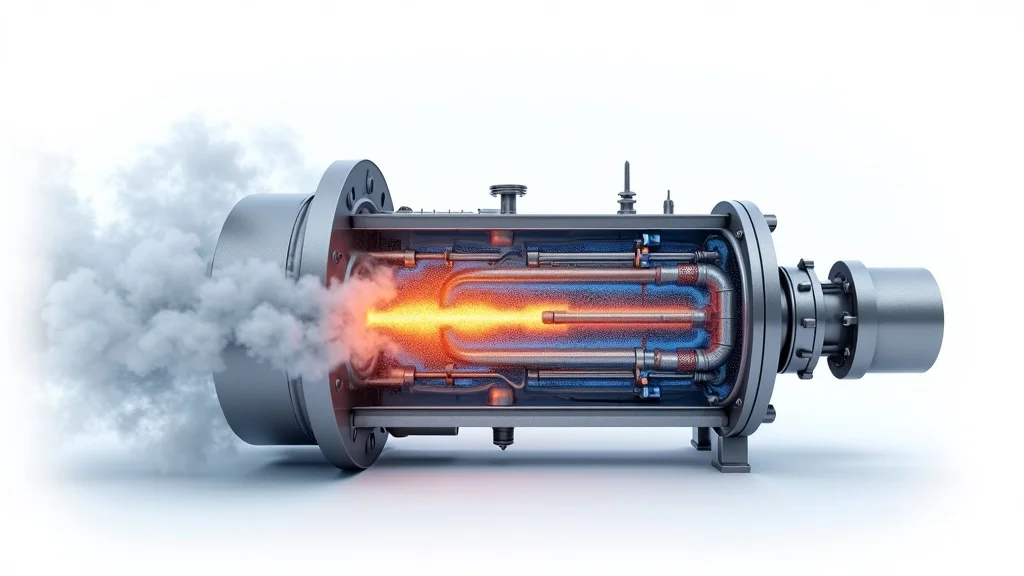
The Physics: Why Condensing Boilers Need Low Return Temperature
- Explaining flue gas condensation
- Scientific explanation of return temperature and its link to condensing
- Simple breakdown of Delta T for UK homeowners
For your condensing boiler to truly achieve its promised efficiency, the key is flue gas condensation. It’s all about reaching the right temperatures to pull the maximum latent heat from the water vapour within exhaust gases. Science tells us that the dew point for natural gas combustion is typically just under 55°C. If the return temperature—that is, the water coming back to the boiler from your radiators—is higher than this, water vapour stays as steam and escapes up the flue. When the return temperature is lower, condensation forms inside the boiler, releasing that hidden heat for your radiators.
This all comes down to something called Delta T—the difference between the flow temperature (the hot water leaving your boiler) and the return temperature (the cooler water coming back). For ideal condensing mode, you want this difference to be enough—usually around 20°C in UK systems. In other words, if water leaves the boiler at 70°C and returns at 50°C, condensation occurs, and you get more heat from every unit of gas used. The lower the return temperature, the more your boiler works at higher seasonal efficiency.
Want to see condensation in action? Many online videos break down the process with easy-to-understand visuals showing how water vapour forms droplets inside the boiler’s heat exchanger. Watching these can make the science clear, showing what really happens when a condensing boiler is set up to work correctly.
Common Reasons Why Condensing Boilers Never Actually Condense
Oversized Radiators and System Balancing Issues
- Why heating system design affects the condensing process
- Impact of poor balancing on return temperature
- The overlooked role of flow rates in hot water circuit
The efficiency of your heating system isn’t just about the boiler itself. Many UK homes still have radiators that are too large or too few, making it hard for the system to run at the optimal Delta T. If your radiators are oversized or the system is not correctly balanced, water circulates too quickly, forcing higher return temperatures. This keeps the boiler from reaching the low return water temperatures it needs for condensation. System balancing and proper radiator sizing ensure enough heat is released before the water returns to the boiler—crucial for efficient condensing operation.
Flow rates matter, too. If there’s not enough heat drawn from the r heating circuit (due to misbalanced or poorly sized radiators), the water returning to the boiler is still hot, preventing condensation. This is a classic case of a condensing boiler that never condenses, even though it was sold on its high-efficiency promise.
Incorrect Settings: Impact of Boiler Controls and Hot Water Priorities
- Default factory settings vs. household needs
- How hot water and heating systems interact with boiler settings
One of the hidden reasons many condensing boilers never actually condense is incorrect control settings—often left in their factory defaults. Manufacturers may prioritise rapid hot water delivery or system protection by setting higher flow temperatures. However, keeping the flow and, sometimes, the hot water circuits too hot lifts the return temperature above condensing thresholds.
This is especially common in combi or system boiler installations where user convenience is prioritised over efficiency. Unless controls are specifically adjusted for your home’s heating system—perhaps lowering the flow temperature or scheduling hot water differently—the boiler will rarely enter condensing mode. Checking and tailoring settings to your UK home’s needs is a simple way to boost efficiency without sacrificing comfort.
Weather Compensation: The Missing Link in Most UK Heating Systems
- What is weather compensation, and how does it help condensing boilers?
- Why few installers include or configure weather compensation properly
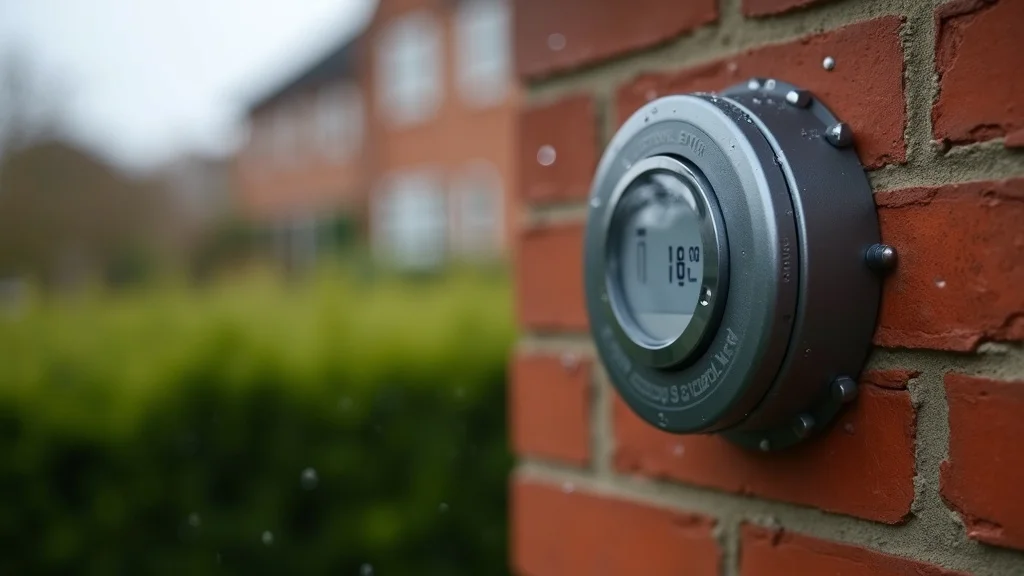
Weather compensation is a game-changer for real-world condensing boiler efficiency, but it is rarely fitted or enabled by UK installers. A weather compensation system uses an outdoor sensor to measure the temperature and automatically adjusts the boiler’s flow temperature. On mild days, it lowers the flow temperature, directly reducing the return temperature, so the boiler spends more time condensing and less time wasting energy.
In most UK homes, weather compensation isn’t even enabled. Sadly, without this feature—or if it remains unconfigured—an otherwise modern condensing boiler will only run in true condensing mode for a few weeks a year. Professional installers who understand the value of weather compensation can unlock significant savings for homeowners, making sure that higher efficiency is not just a promise, but a reality.
To really understand how settings and return temperature make or break condensation, video walkthroughs by boiler engineers can be highly educational. They often show real-time temperature data, adjusting controls, and demonstrate live condensation at different return temperatures—bringing the physics of condensing boilers to life.
Delta T: The Key to High-Efficiency Condensing Boiler Performance
- What is Delta T in the context of condensing boilers?
- Why maintaining the right temperature difference ensures condensation
- Avoiding heavy maths: a simple Delta T analogy
Delta T is simply the temperature difference between the flow (hot water leaving the boiler) and the return (cooled water coming back). For most UK condensing boilers, a Delta T of about 20°C is ideal. This means, for example, if hot water leaves at 70°C and returns at 50°C, the boiler is perfectly set up for condensation because the return water temperature is low enough for water vapour to condense inside the heat exchanger.
"A properly set Delta T isn’t just a number—it’s the secret to making your condensing boiler truly efficient." – Heating Engineer
Think of Delta T like this: a steeper hill allows a ball to roll faster and further. Similarly, a larger difference between the water temperatures means more heat is extracted from the exhaust gases. By keeping your return temperature consistently below 55°C, your condensing boiler works in its most efficient zone. Adjusting your controls, system balancing, and—even better—using weather compensation all help keep Delta T optimal and boiler efficiency high, without a calculator in sight.
Professional Setup: The Value of Expert Heating System Commissioning
- Why condensing boilers need professional commissioning
- How system design choices, balancing, and control optimisations deliver real efficiency
Even the best condensing boilers can fail to condense if the system isn’t set up correctly. Professional commissioning is what makes all the difference. Heating engineers not only balance your radiators and set controls; they check the return temperature, inspect flow rates, and configure weather compensation and boiler priorities to fit your home’s needs. This technical mastery turns a promising boiler into a genuinely efficient one.
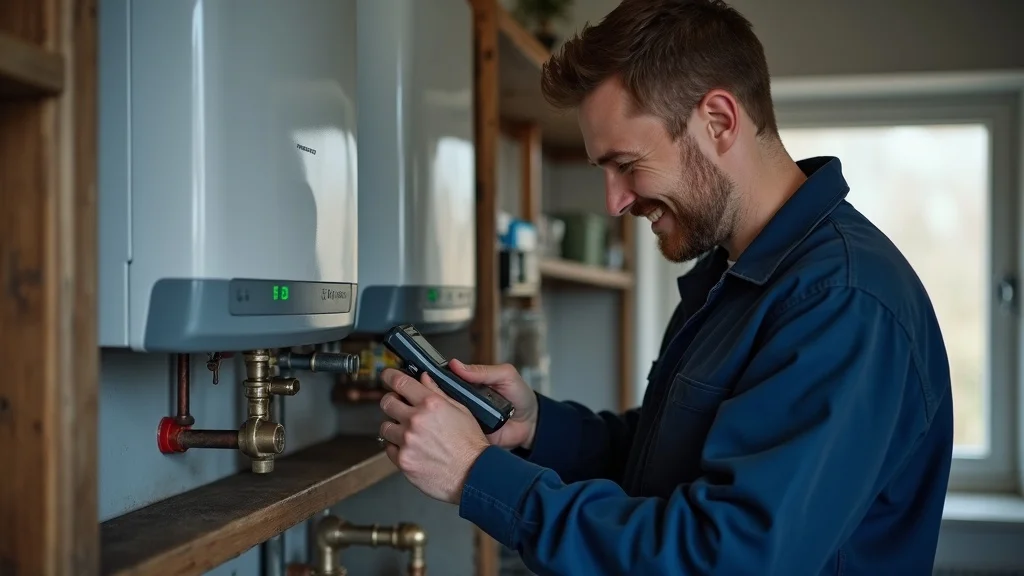
If you want your condensing boiler to work as advertised, don’t leave setup to chance. Professional commissioning ensures your heating system interacts with the boiler in the best possible way, unlocking higher efficiency and real savings on your heating bills.
Myth-Busting: Common Misconceptions About Condensing Boilers
- Myth: All condensing boilers condense by default
- Myth: Any low return temperature is sufficient
- Reality about boiler work and system interaction
Many homeowners believe that installing a condensing boiler is enough to start saving money. In reality, these boilers only enter their condensing mode when all parts of the heating system are correctly set up. Another common misconception is that any return temperature below the flow temperature is “good enough”. In truth, unless the return water temperature drops consistently below 55°C, significant condensation (and thus, maximum efficiency) never occurs.
The reality? Boiler work is about system design—balancing radiators, optimising flow rates, and fine-tuning controls. The entire heating system must be part of the efficiency equation. Properly sized radiators, expert balancing, and enabled weather compensation all matter if you want to get what you paid for.
Table: Comparison of Condensing Boiler Efficiency Based on Setup Quality
| Factor | Correct Setup | Typical UK Setup | Impact on Condensation |
|---|---|---|---|
| Return Temperature | ≤ 55°C | > 60°C | High vs. Low condensation |
| Weather Compensation | Enabled | Disabled | Consistent condensation vs. missed opportunities |
| Radiator Sizing/Balancing | Properly sized/balanced | Oversized/poorly balanced | Low return temp vs. high return temp |
Key Takeaways: How to Ensure Your Condensing Boiler Condenses
- Focus on return temperature and weather compensation for maximum efficiency
- Professional setup and routine checks matter
- Small tweaks can unlock full condensing potential
People Also Ask About The Hidden Reason Some Condensing Boilers Never Actually Condense
What are the arguments in favor of condensing boilers compared to older non-condensing boilers?
- Condensing boilers deliver much higher energy efficiency by recovering flue gas heat, leading to lower bills and reduced carbon emissions compared to non-condensing boilers.
At what temperature does a condensing boiler condense?
- Most condensing boilers begin condensing when the return temperature is below 55°C, extracting latent heat from the flue gases for additional efficiency.
Which is better, non-condensing or condensing?
- Condensing boilers are superior for both efficiency and emissions, provided they are installed and set up to actually condense.
Can a combi boiler be non-condensing?
- All new combi boilers sold in the UK are condensing by law; older combis may be non-condensing but lack modern efficiency features.
FAQs on the Hidden Reason Some Condensing Boilers Never Actually Condense
-
Why does my condensing boiler not seem to condense?
There are several possible causes, including high return temperatures, incorrect controls, unbalanced radiators, or disabled weather compensation. A professional check can identify which factor is stopping condensation in your system. -
Can retrofitting weather compensation help?
Yes! Retrofitting weather compensation controls enables your boiler to automatically adjust flow temperatures, keeping the return cooler more of the time and helping your system condense efficiently. -
How can I check if my boiler is actually condensing?
Look at your boiler’s display for a condensation symbol or check the pipework for a steady flow into the condensate drain when the heating is on. Cooler return pipes also indicate condensation is occurring. -
What should I ask my installer about optimal setup?
Request confirmation that controls are set for low-temperature operation, radiators are balanced, weather compensation is enabled (if available), and ask to see the measured return water temperature during operation.
Lists: Action Steps to Get Your Condensing Boiler to Condense
- Have your heating system checked for correct radiator sizing and balancing
- Enable or retrofit weather compensation controls
- Ask your installer to demonstrate return temperature values
- Consider routine system maintenance to maintain condensing operation
For expert guidance, check out professional heating engineer videos online. These often provide actionable tips on adjusting boiler settings, recognising the signs of condensing mode, and practical demonstrations of weather compensation controls. Seeing these concepts in action helps demystify the process and empowers you to ensure your boiler is working efficiently.
Conclusion: Trust Professional Commissioning for Your Condensing Boiler
- Professional setup and expert commissioning help you unlock the full high-efficiency potential of your condensing boiler—don’t risk missing out by leaving your system to chance.
Ready for a Warmer, Cheaper Home? Book a Professional Boiler Check Today
Don’t settle for less—unlock true condensing efficiency and comfort in your UK home. Book a professional boiler check today and make sure your system is saving you energy (and money) all year round.





Write A Comment