

Are you aware that over half of U.S. homes harbor hidden mold, quietly undermining health every day? Mold exposure has become an invisible epidemic, triggering mysterious symptoms and chronic health issues. If you suspect mold is harming you or your loved ones, this comprehensive guide will walk you through mold healing —from recognizing the earliest symptoms and black mold threats to proven recovery strategies and household tips that lead to lasting wellness. Whether you’re seeking relief from persistent allergies or want to mold-proof your environment for good, you’ll learn actionable steps for a mold-free, healthier life.
Did You Know? Over 50% of U.S. Homes Have Mold—A Hidden Threat to Your Health
It’s alarming but true: research indicates that more than 50% of homes in the United States have measurable levels of indoor mold. Mold spores grow wherever moisture persists—from unnoticed water leaks in basements to damp corners behind furniture. With every breath, occupants inhale invisible mold spores that, over time, can trigger serious health problems. Black mold, toxic mold, and various types of mold are not just ugly stains; they produce toxins that can destabilize the immune system and disrupt everyday life. If you’ve detected a musty odor, recent water damage, or chronic allergy symptoms, you may be living with more mold than you think. Practical example: After a big storm, a family in a suburban neighborhood started feeling tired and sneezy. A professional evaluation revealed hidden black mold flourishing behind the drywall—proof that mold can thrive out of sight, causing health issues long before being discovered.
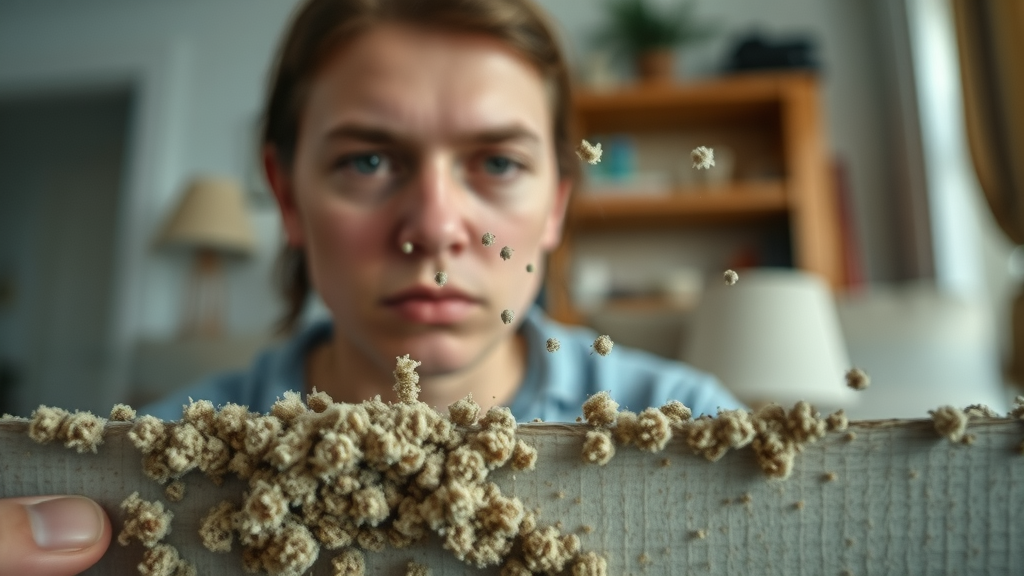
Discover why mold healing is essential for overcoming silent, widespread dangers lurking in everyday spaces.
Mold Healing: Why Mold Exposure Recovery Matters for Your Well-Being
The Impact of Black Mold and Toxic Mold on Your Health
Not all molds are equally harmful, but black mold and toxic mold deserve special attention due to their ability to produce potent mycotoxins. These toxins released by black mold often infiltrate walls after water damage or persistent humidity. Prolonged exposure to these types of mold can lead to significant health problems , including chronic fatigue, headaches, difficulty concentrating, and even respiratory infections. Children, elderly adults, and those with weakened immune systems face even higher risks, as their bodies cannot fend off mold-related toxins as effectively.
Black mold and toxic mold release compounds that worsen asthma, irritate the eyes and skin, and attack the central nervous system.
Common places for toxic mold growth include bathrooms, basements, and any spot with a history of water leak or moisture buildup.

How Mold Allergies Disrupt Everyday Life
Mold allergy is more than just a seasonal annoyance—it chronically disrupts life for millions. People sensitive to mold spores can experience ongoing allergy symptoms like sneezing, stuffy noses, itchy skin, watery eyes, and persistent coughs. For many, these symptoms seem to “come from nowhere,” often lasting longer indoors than out. Real-life example: An office worker, plagued by afternoon headaches and persistent runny nose, eventually traced her misery to mold spores circulating through old air conditioning ducts. The impact? Frequent doctor visits, missed days at work, and a foggy mind that improved only after taking steps toward mold healing.
Typical mold allergy symptoms include congestion, throat irritation, skin rashes, and even asthma attacks.
Lingering exposure makes day-to-day activities harder—affecting productivity, mood, and overall quality of life.
Recognizing the Symptoms of Mold Exposure and Beginning Mold Healing
Symptoms of Mold and Mold Allergy
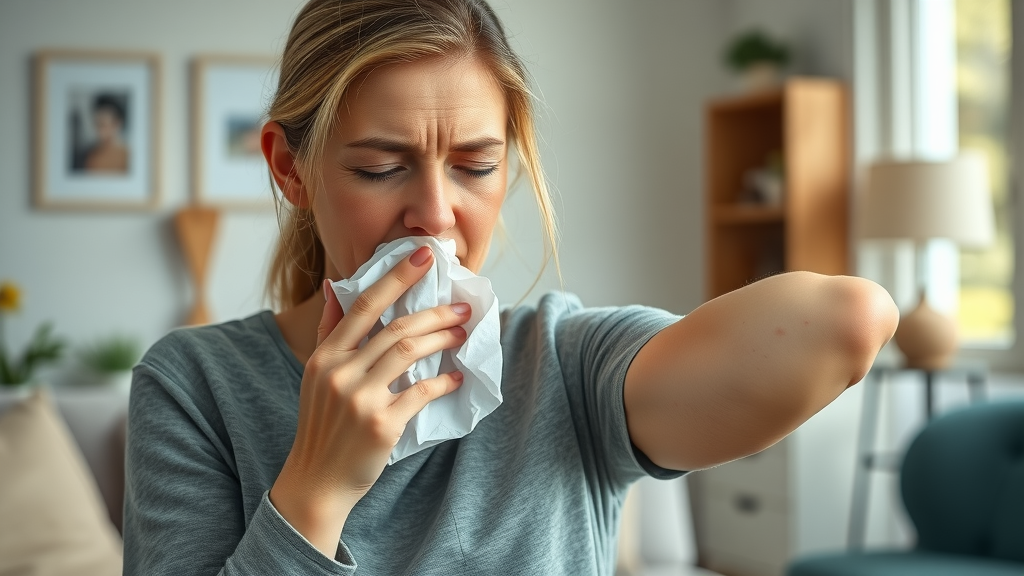
Spotting the symptoms of mold exposure early is essential for mold healing. Many people don’t connect mild headaches, extreme tiredness, coughing, or a stubborn skin rash to mold exposure—yet these are common clues. Respiratory symptoms are especially common, driven by ongoing inhalation of mold spores. Other non-respiratory issues may manifest, such as fatigue , brain fog, and frequent headaches.
Common symptoms: Sneezing, runny nose, itchy or watery eyes, rashes, coughing, shortness of breath, and chest tightness.
Chronic exposure can result in worsening symptoms, pushing the immune system into a constant state of alert—a perfect storm for allergies and even fungal infection.
Identifying Black Mold Exposure in Your Environment
Recognizing black mold exposure is a decisive step toward mold healing. Black mold, known scientifically as Stachybotrys chartarum, most often appears as dark greenish-black streaks or patches on walls and ceilings, especially in areas with previous water incidents. Its spores, invisible to the naked eye, may produce musty or earthy odors. Beyond visible signs, consider environmental cues like peeling paint, warped wood, or unexplained chronic respiratory issues among multiple household members.
If you discover unexplained stains, visible mold growth, or increased health issues after water leaks, black mold might be present.
Professional assessment is often needed to confirm black mold exposure and develop an effective mold healing plan.
Essential Steps for Effective Mold Healing After Mold Exposure
Immediate Actions: Removing Yourself From Mold Exposure
As soon as you suspect mold exposure , your top priority should be distancing yourself from the contaminated environment. Even brief, repeated exposure to mold spores can worsen symptoms and prolong recovery. Follow these immediate actions to start the mold healing process:
Evacuate the area and relocate to a mold-free environment whenever possible.
Remove contaminated clothing and shower thoroughly to wash off spores.
Seek medical advice to document symptoms and get early treatment if needed.
Quick action dramatically shortens mold healing timelines and reduces the risk of chronic health issues.
Types of Mold and Personalized Healing Strategies
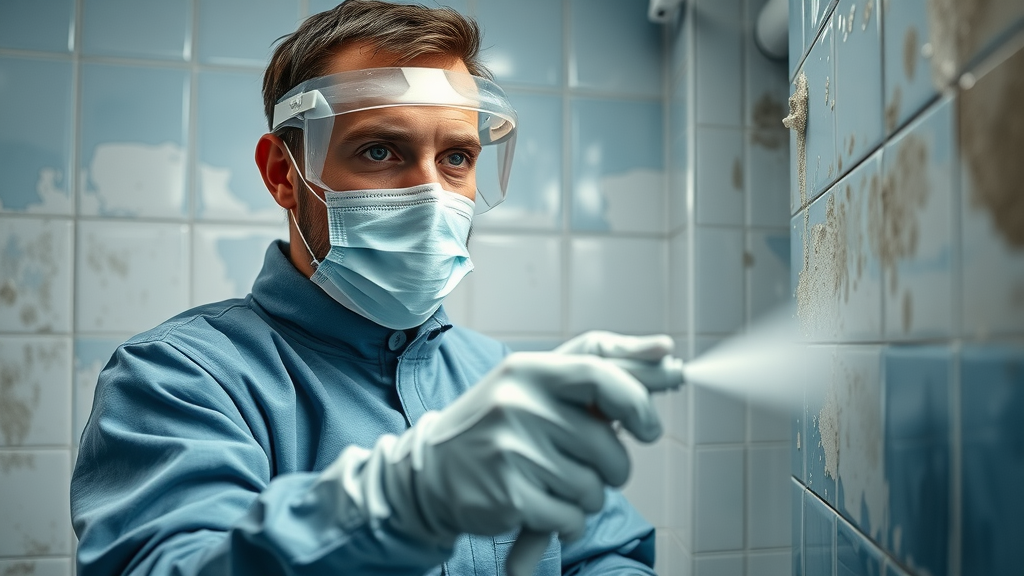
No two molds are exactly alike—and the right mold healing approach depends on the specific types of mold encountered. Black mold, toxic mold , and “allergen” molds each release different compounds and require tailored interventions. For instance, Stachybotrys and Aspergillus are two common indoor molds that differ in color, growth patterns, and toxicity levels.
Identify the mold type via professional inspection or laboratory blood tests if warranted.
Effective mold healing combines environmental cleanup (like removing contaminated materials) with immune-supportive medical care.
Special cleaning agents, air filters, and sometimes prescription antifungal medications will be recommended based on the specific mold found.
Mold Allergies and Immune System Support During Your Healing Journey
A successful mold healing journey requires fortifying your body’s defenses. Strengthening the immune system is crucial, especially when mold allergies or health problems have set in. Optimize recovery with these evidence-backed tips:
Adopt an anti-inflammatory diet—consider antioxidant-rich foods like berries, leafy greens, and nuts.
Supplements such as vitamin C, vitamin D, and probiotics may give your immune system extra support as it flushes out mold toxins.
Prioritize rest, gentle exercise, and stress management to promote deeper healing and resilience against future allergic reactions.
Can You Heal From Mold Exposure?
The answer is reassuring: Yes, most people can recover from mild to moderate mold exposure through timely intervention. When you remove mold from your environment and support your immune defenses, mold healing is not only possible—it’s likely. Environmental remediation, lifestyle changes, and specialized nutrition play leading roles in this journey to lasting wellness.

How Do You Know If Mold Is Making You Sick?
Symptoms like persistent coughing, sneezing, recurrent headaches, and deep fatigue are red flags for possible mold exposure. Notably, if you leave your home or workplace and notice your allergies or fatigue improving elsewhere, mold is a likely culprit. Only a qualified healthcare provider can confirm the diagnosis—sometimes via blood test or a specific clinical exam. Immediate action and professional advice are key parts of the mold healing process.
How to Heal Lungs After Mold Exposure?
To heal your lungs following mold exposure , first remove yourself from the moldy area. Medical treatment may include nasal spray, prescribed inhalers, or specific medications for asthmatic responses. Support your lung recovery with breathing exercises, steady hydration, and foods loaded with antioxidants. Over time, the lungs can often repair themselves—especially when combined with aggressive mold healing practices at home.

How Long After Being Away from Mold Will You Feel Better?
Most people notice improvements in symptoms of mold exposure within a few days to weeks of remediation. For those with milder symptoms, recovery is swift; chronic or intense cases may require several months of dedicated mold healing. Acting early and following a personalized recovery plan greatly accelerate your progress toward feeling well again.
Supporting Your Mold Healing Process: Practical Tips for Daily Life
Improving Indoor Air Quality for Ongoing Mold Healing
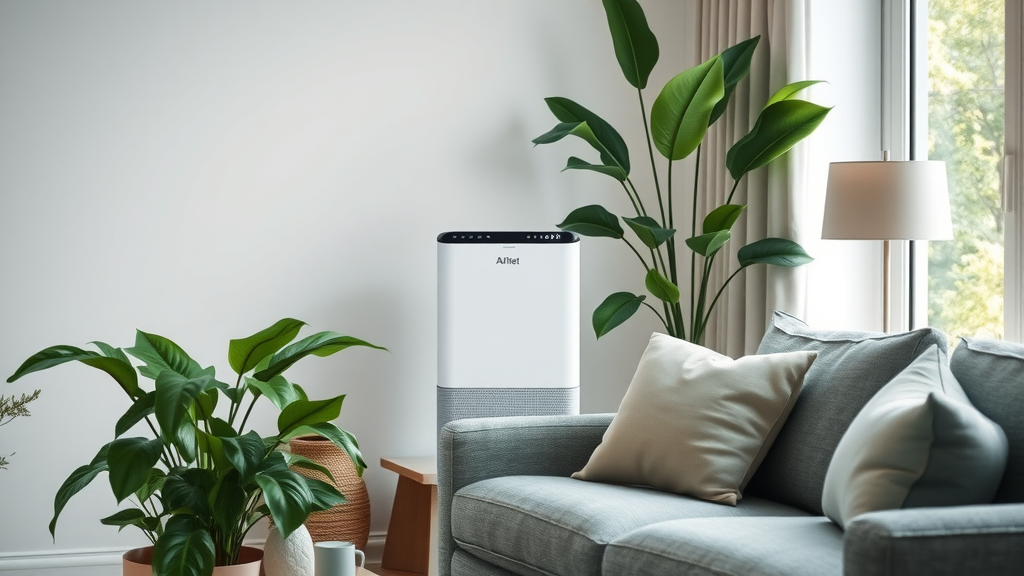
Your household air directly influences the success of your mold healing efforts. After you’ve removed the source of mold growth , prioritize air purification to stop symptoms of mold from recurring. Consider these strategies:
Run HEPA air purifiers in main living spaces to trap lingering mold spores and allergens.
Fix leaks instantly and keep indoor humidity below 50% with a dehumidifier.
Open windows regularly for fresh air circulation, especially after cleaning or showering.
Preventing Black Mold and Toxic Mold Recurrence
Prevention is critical in the ongoing battle against black mold and toxic mold. Here’s how to mold-proof your space long-term and maintain the benefits of your mold healing success:
Repair all plumbing leaks and water damage immediately—mold can start to grow within 24-48 hours of moisture buildup.
Use mold-resistant paints and avoid carpeting in moisture-prone rooms (like basements).
Keep gutters clear, ensure proper ventilation, and schedule regular home inspections for signs of mold growth or hidden leaks.
Top Nutritional Approaches for Faster Mold Healing
A nutrient-rich diet accelerates mold healing by reducing inflammation and supporting immune resilience. After leaving mold behind, focus on:
Emphasizing anti-inflammatory foods such as wild-caught fish, leafy greens, sweet potatoes, and turmeric.
Adding probiotic-rich options (like yogurt or kefir) to balance the gut, a key part of immune system health after mold exposure.
Reducing sugar and processed foods to minimize ongoing inflammation and the potential for additional allergic reactions.

When to Seek Professional Support for Mold Healing
Medical and Environmental Specialists for Mold Exposure Recovery
When symptoms persist despite your best efforts, or you suspect widespread toxic mold or stubborn black mold colonies, it’s time to call in the experts. Healthcare professionals—such as allergists and environmental doctors—can run blood tests and prescribe medications for both mold allergies and severe reactions. Certified mold remediation specialists are crucial for safely eliminating extensive mold infestations and preventing regrowth. Going it alone with DIY solutions rarely works for large-scale or ancient mold colonies, especially after water damage or plumbing emergencies.
Combine medical care with licensed remediation to achieve lasting mold healing results.
Partnering with experts gives you a clear recovery roadmap and peace of mind for your home and health.
"Successful mold healing often requires multidisciplinary collaboration—medical, environmental, and lifestyle approaches combined." – Environmental Health Physician
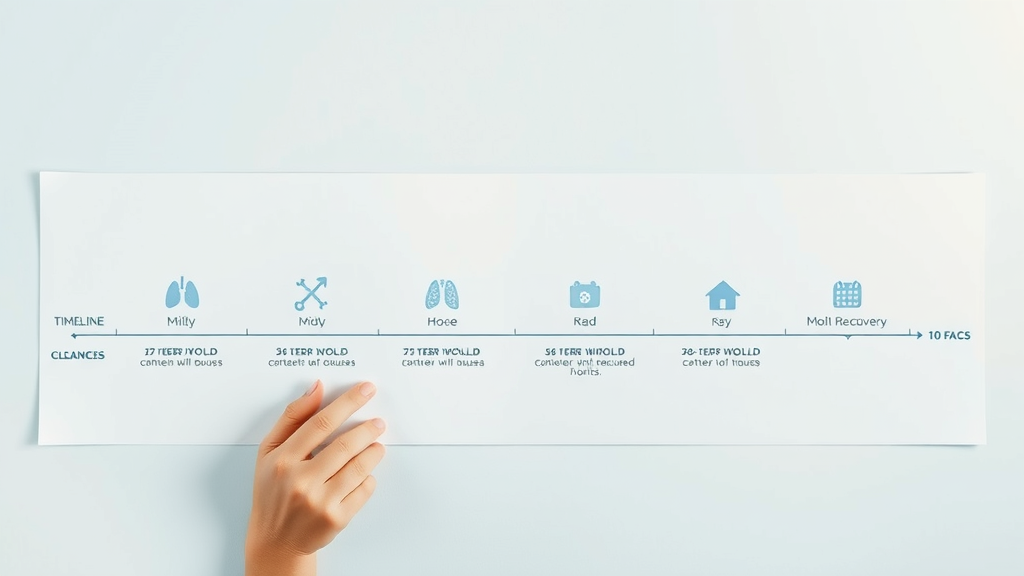
Comparing Mold Healing Timelines: What to Expect
Severity |
Initial Symptoms |
Recommended Actions |
Average Healing Duration |
|---|---|---|---|
Mild Exposure |
Sneezing, mild fatigue, slight congestion |
Remove from source, support immune system, air purification |
Several days to 2 weeks |
Moderate Exposure |
Persistent cough, headaches, skin rash, sinus problems |
Medical treatment, environmental remediation, nutrition |
2–6 weeks |
Severe Exposure |
Chronic fatigue, breathing difficulties, neurological symptoms |
Comprehensive medical and professional remediation |
2–6 months (or more) |
Understanding Types of Mold and Their Health Effects
Common Types of Mold Indoors
Indoor environments are prone to a range of types of mold. Black mold (Stachybotrys), toxic mold (Aspergillus, Penicillium, Cladosporium), and moisture-loving mold spores pose distinct but serious health risks. Each variety requires unique remediation and mold healing tactics. While all indoor mold can aggravate allergies, only a subset produce dangerous mycotoxins that trigger severe reactions.
Black mold thrives on cellulose-rich materials like drywall when moisture is present.
Toxic molds may contaminate air, food, and ventilation systems, posing ongoing threats.
Lesser-known types of mold can also impact those with sensitive immune systems or respiratory conditions.
The Science Behind Mold Healing and Immune Response
How Mold Affects the Body at the Cellular Level
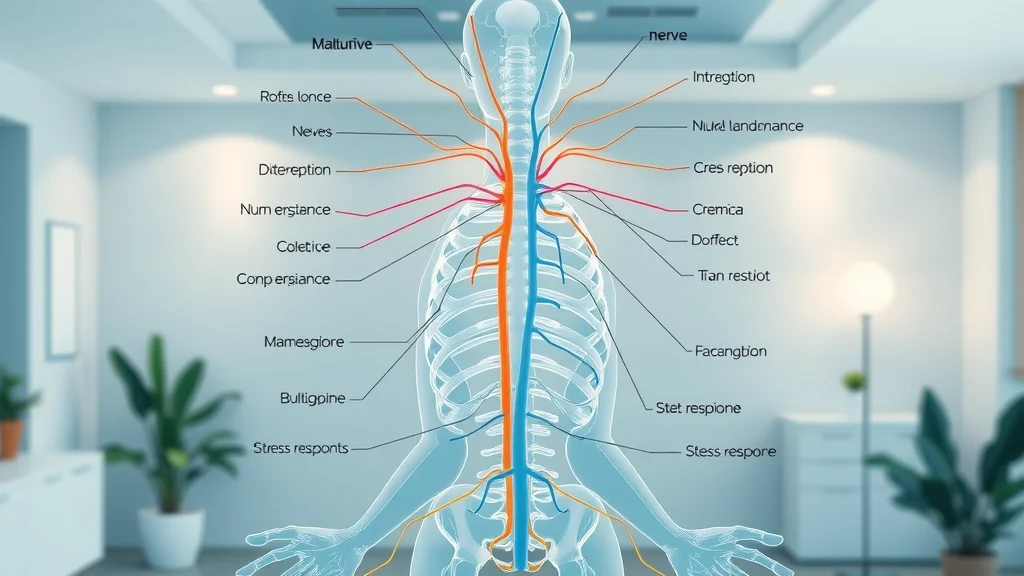
Mold toxins produced by black mold and toxic mold infiltrate the body’s systems, eventually causing inflammation at the cellular level. These toxins bind to cellular receptors, disrupt immune signaling, and increase oxidative stress—manifesting as allergy symptoms, respiratory distress, or neurological issues. Mold healing is possible when the body’s detoxification pathways (primarily the liver, lungs, and kidneys) are supported and the environmental source is eradicated.
Antioxidant support from diet and supplements may protect cells from oxidative damage.
Removing ongoing exposure allows the immune system to rebalance and initiate repair at every level.
"Mold healing begins the moment exposure ends, but optimal recovery includes holistic lifestyle and medical support." – Mold Recovery Expert
Lifestyle Changes for Long-Term Mold Healing and Wellness
Consistent exercise improves circulation, aids detoxification, and strengthens immunity post-exposure.
Incorporate stress management—mindfulness, yoga, deep breathing—to accelerate healing and nurture resilience.
Holistic approaches, such as adequate sleep, hydration, and community support, set the stage for lasting wellness after mold exposure.

FAQs on Mold Healing, Mold Exposure, and Mold Allergies
Can you heal from mold exposure?
Yes, with prompt removal from the source and the right treatment, most people recover from mold exposure. Healing is accelerated with medical care, home remediation, and lifestyle adjustments.How do you know if mold is making you sick?
Persistent symptoms such as sneezing, headaches, skin rashes, or mental fog in a moldy environment suggest mold may be the cause. Diagnosis is confirmed by clinical assessment and sometimes blood tests.How to heal lungs after mold exposure?
Lung healing involves leaving the moldy area, following medical advice including nasal spray or inhalers, and supporting the immune system through hydration and antioxidants.How long after being away from mold will you feel better?
Most people experience early relief within days, but full recovery can take weeks to months, depending on exposure length and individual health factors.
Watch inspiring stories: Real people describe their journey from persistent symptoms due to black mold and toxic mold to full recovery via diligent mold healing —with before-and-after images, expert commentary, and actionable recovery steps.
A healthcare expert addresses the most pressing questions about mold healing , mold exposure, mold allergies, and personalized recovery plans.
Step-by-step demonstrations reveal the best practices for keeping your home safe from black mold and toxic mold—key to sustained mold healing.
Your Next Steps: Proven Mold Healing Action Plan
Identify and avoid further mold exposure.
Consult with healthcare and remediation professionals.
Implement air purification and nutrition strategies.
Monitor symptoms and progress.
Adopt holistic wellness practices for prevention.
Summary of Mold Healing: What You Need to Know for Lasting Recovery
Early detection and removal are critical for mold healing.
Individualized plans address both health problems and home safety.
Commitment to lifestyle change ensures long-term wellness.
Ready for Mold Healing Support?
Call CellSynergy Health at 204-232-9093! Take the first step towards effective mold healing and reclaim your health today.
Start your mold healing journey now—your health and peace of mind depend on it.



Write A Comment