


Understanding the Silent Signals: Why Heart Electrical Issues Can’t Wait
Imagine your heart suddenly skipping a beat or racing for no reason while you’re sitting quietly at home. For millions, these unsettling sensations are more than just a fleeting discomfort—they may be signals of deeper electrical problems in the heart. With cardiac arrhythmias consistently ranking among the leading causes of hospitalization and sudden cardiac events worldwide, the stakes are high for recognizing when specialized care is needed. The role of an electrophysiologist is central in deciphering these body alarms, but many people do not know when to seek this expert’s attention, often delaying intervention at the expense of their long-term health.
Whether you’re someone managing occasional fluttering sensations or you have a family history of abnormal heart rhythms, understanding the signs and symptoms prompting a trip to an electrophysiologist isn’t just useful—it's potentially life-saving. Misinterpretation or dismissal of seemingly benign symptoms can leave even otherwise healthy individuals vulnerable to complications like stroke, heart failure, or sudden cardiac arrest. In this article, we delve deeply into the critical indicators that signal it’s time to consult a cardiac electrical system specialist. By unpacking the latest expert insights and breaking down this complex field into simple terms, we aim to empower you with the information you need to take charge of your heart’s health today.

What Does an Electrophysiologist Do?—Exploring the World of Cardiac Electrical Medicine
An electrophysiologist is a cardiologist who specializes in the heart's electrical system. Unlike general cardiologists, electrophysiologists have advanced training in diagnosing and treating arrhythmias—conditions in which the heart beats too fast, too slow, or with an irregular rhythm. Electrophysiology bridges clinical expertise with sophisticated diagnostic tools, such as advanced mapping and monitoring technology, to pinpoint the exact site or cause of abnormal electrical activity. For patients experiencing unexplained palpitations, fainting episodes, or a family history of sudden cardiac death, the electrophysiologist operates at the frontier of prevention and intervention.
These specialists offer highly technical procedures such as pacemaker implantation, cardiac ablation, and in-depth arrhythmia evaluation, allowing them to treat conditions ranging from atrial fibrillation to familial progressive cardiac conduction defects. With substantial experience and peer-reviewed medical research under their belts, electrophysiologists are uniquely qualified to guide patients toward optimal outcomes—minimizing risk, maximizing quality of life, and often providing reassurance where uncertainty is greatest. Failing to investigate persistent irregular heartbeats or unexplained chest sensations can result in missed opportunities for early intervention, which is why understanding this role is more important than ever.
Why Seeing an Electrophysiologist Early Can Change the Course of Heart Health

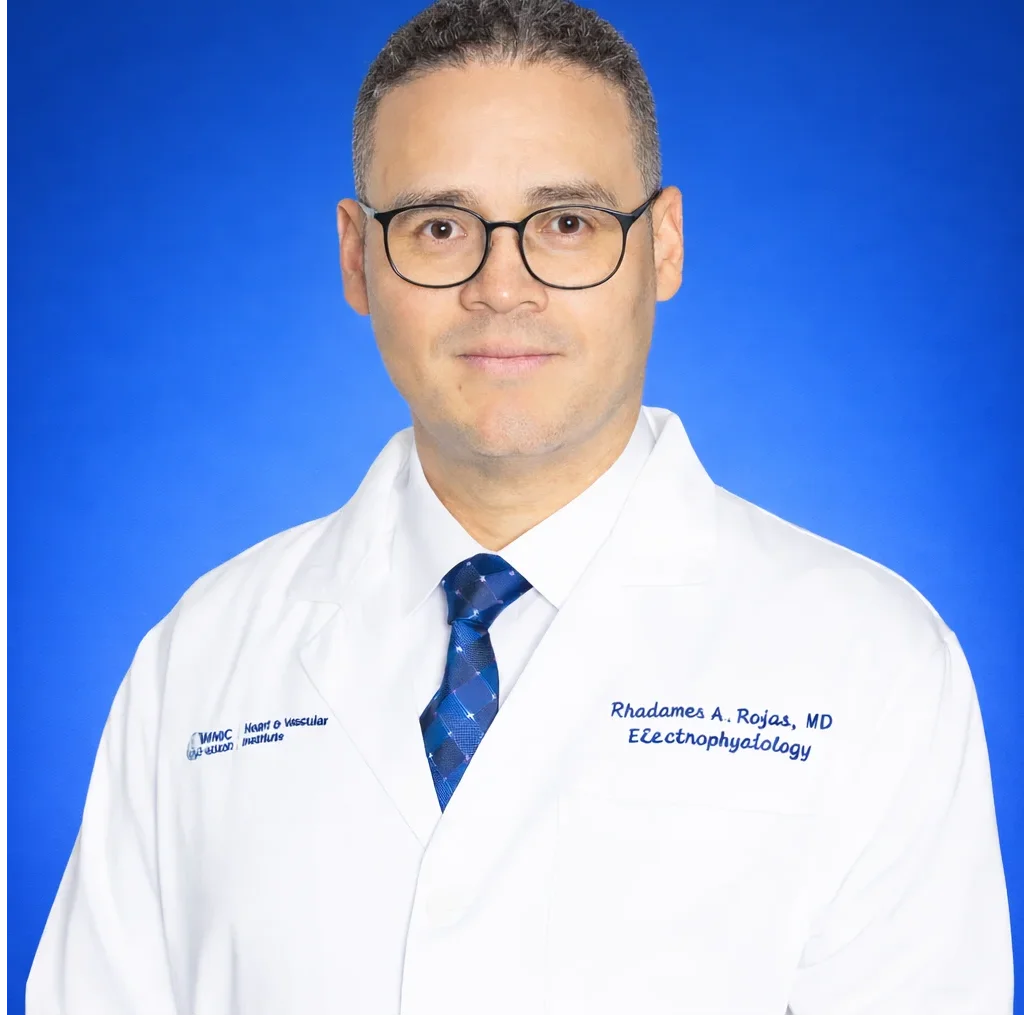
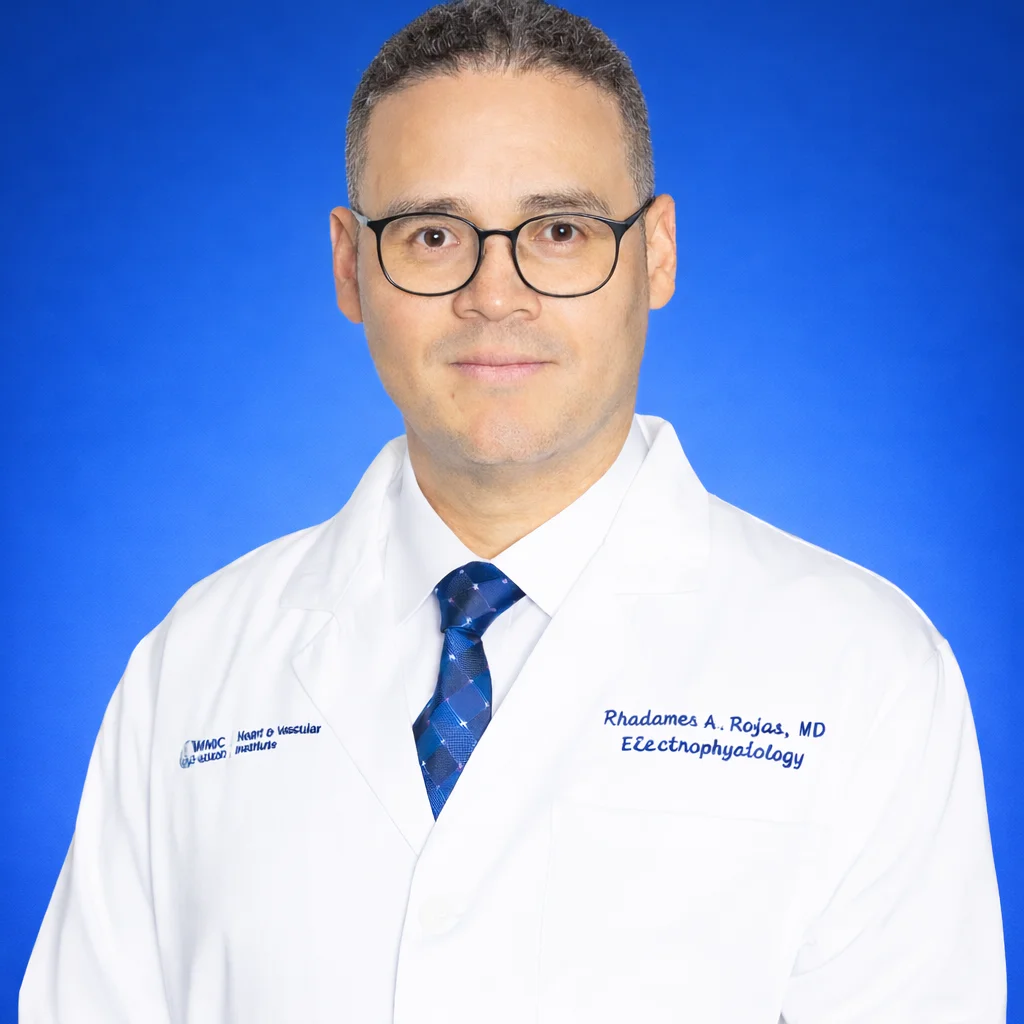
Enlisting the expertise of a highly specialized medical professional—such as Dr. Rhadames A Rojas, MD, a well-regarded clinical cardiac electrophysiologist in Valhalla, NY—brings a host of tangible benefits to anyone facing heart electrical irregularities. With over 20 years of hands-on experience, Dr. Rojas exemplifies what it means to blend deep clinical insight with technical precision. His extensive track record in procedures such as pacemaker implantation and cardiac ablation demonstrates that targeted interventions can not only correct dangerous arrhythmias but also help patients regain their energy, stability, and peace of mind. For those living with subtle or intermittent symptoms, early evaluation by an electrophysiologist can illuminate underlying risks before they escalate into emergencies.
The value goes beyond merely addressing acute episodes. Early detection and management by an electrophysiologist can significantly reduce the risk of stroke and heart failure associated with certain arrhythmias. For individuals at genetic risk or those unable to control their symptoms with medication, specialists like Dr. Rojas use evidence-based practices and leading-edge technologies to tailor solutions unique to a patient's physiology. With professional memberships in societies such as the Heart Rhythm Society and the American College of Cardiology, electrophysiologists not only treat but also contribute to the evolution of standards of care—empowering patients with current, research-backed options that may not be available elsewhere.
Recognizing the Red Flags: Key Symptoms and Conditions That Require Expert Attention
The symptoms that should prompt a visit to a cardiac electrophysiologist are not always loud alarms but can be subtle signals your heart is sending. Frequent palpitations, episodes of fainting, unexplained fatigue, or visible pauses in heartbeat are all concerns that fall within the electrophysiologist’s purview. For those with known atrial fibrillation or a family history of progressive cardiac conduction defects, proactive evaluation by a specialist becomes even more critical. It’s also essential for patients who have undergone previous cardiac surgeries or who experience medication-resistant heart rhythm problems to seek out advanced care to ensure their condition is monitored and treated properly.
Modern electrophysiology recognizes that every patient presents a unique interplay of symptoms and risk factors, demanding a nuanced approach. A comprehensive assessment by a professional trained in the latest procedural advances can mean the difference between simply managing symptoms and addressing root causes. By staying attuned to subtle shifts in well-being, individuals can collaborate more effectively with their healthcare team, ensuring that life-threatening arrhythmias are not left undetected or untreated.
The Evolution of Electrophysiology—From Early Diagnosis to Innovative Treatment
The field of cardiac electrophysiology has advanced rapidly over the past two decades, transforming what was once a mysterious or inaccessible specialty into a vital component of comprehensive heart care. Electrophysiologists have moved from basic rhythm monitoring to sophisticated mapping techniques, 3D imaging, and minimally invasive ablation therapies—the latter allowing for precise destruction of malfunctioning cardiac tissue with minimal recovery time. In experienced hands, these procedures offer lasting solutions where medications fall short, delivering improved longevity and quality of life.
This historical shift underscores the critical need for accurate, early diagnosis. Patients today benefit from a much richer landscape of options, including technologies and protocols spearheaded and validated by leading specialists recognized for their clinical research and published work. The earlier someone partners with an electrophysiologist, the broader and more effective their treatment choices become.
How to Be Proactive: Lifestyle, Monitoring, and Collaboration With Your Care Team
Regular self-monitoring, understanding personal and family health histories, and adopting a heart-healthy lifestyle are foundational for anyone at risk for arrhythmias. However, these strategies are most effective when combined with professional oversight. Electrophysiologists collaborate with patients' broader care teams—primary care, general cardiology, and sometimes even genetic counselors—to build preventative plans and manage evolving symptoms. Timely referrals or consultations can help demystify ambiguous symptoms and clarify whether advanced interventions are needed.
Patients play a direct role in the outcome of their care by staying informed and engaged. Knowing the right questions to ask—about symptoms, treatment risks, and ongoing monitoring—enables more productive conversations and fosters trust. The partnership between patient and electrophysiology specialist is often the linchpin in achieving lasting heart health and peace of mind.
Expert Insights: A Unique Approach to Heart Rhythm Disorders
Dr. Rhadames Rojas, MD, stands out, not only for his technical expertise but for a philosophy of patient-centered, precision-driven care. With dual specialties in internal medicine and cardiac electrophysiology and over two decades of practical experience, Dr. Rojas approaches each patient as a unique case—integrating comprehensive diagnostic workups with evidence-based therapies specific to individual needs. His commitment to high standards is reflected in his membership in leading organizations, including the American College of Cardiology and the Heart Rhythm Society, demonstrating dedication to advancing the field and maintaining up-to-date knowledge.
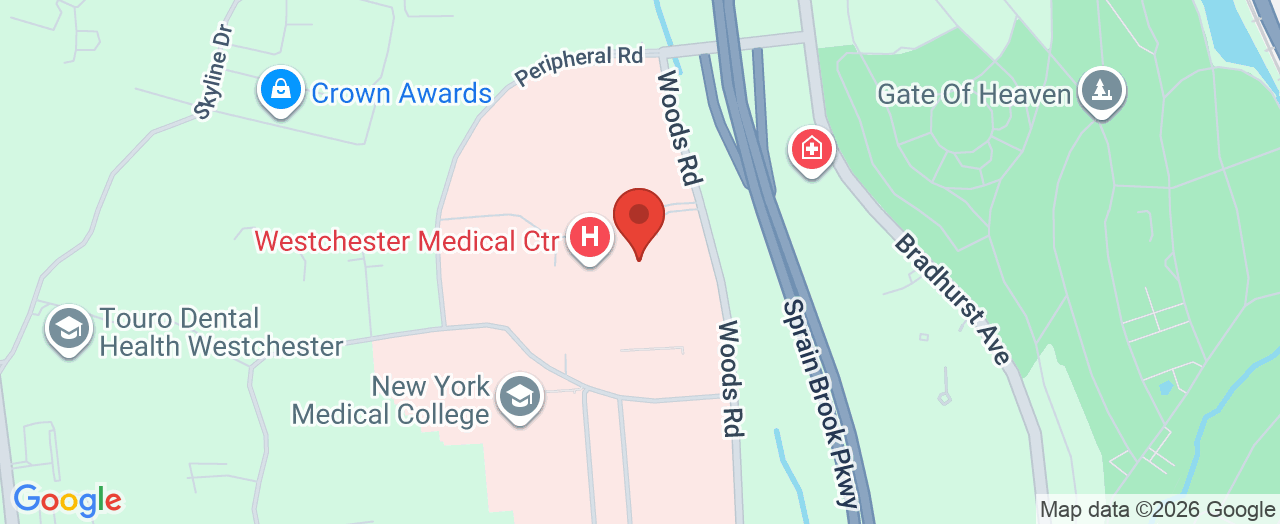
Beyond his contributions as an author of research papers and recipient of professional citations, Dr. Rojas emphasizes the importance of collaboration and communication in cardiac care. Multilingual in both English and Spanish, he reaches diverse communities, bringing top-tier cardiac care to a broader patient population. His affiliations with Westchester Medical Center across multiple locations provide patients with access to facilities equipped for sophisticated procedures such as ablation and pacemaker implantation, underscoring a philosophy rooted in safety, innovation, and accessibility.
The recurring theme in his work is a blend of technical mastery and compassionate care—ensuring that each person feels heard, informed, and empowered throughout their treatment journey. By continuing to expand the frontiers of electrophysiology through research and patient advocacy, Dr. Rojas embodies what it means to set new standards for heart rhythm management.
Patient Experiences: The Life-Changing Impact of Specialized Heart Care
The effectiveness of cardiac electrophysiology is perhaps best expressed through the voices of those whose lives have changed thanks to timely intervention. While individual experiences vary, many patients highlight the sense of reassurance and restoration of normalcy following advanced procedures and expert diagnosis. Here is how real people describe their outcomes and satisfaction:
[[review_one_text]]
As these stories attest, proactive consultation and tailored care from a skilled electrophysiologist can spell the difference between worry and well-being. When electrical heart issues are addressed with expertise and compassion, patients frequently report improved physical health, greater peace of mind, and the ability to return confidently to their daily lives.
Empowering Better Outcomes: The Role of the Electrophysiologist in Modern Medicine
Staying attuned to the signs your heart is sending is more than prudent—it is essential in a world where early action can transform outcomes. The expertise of an electrophysiologist represents one of the most powerful resources available to those facing heart rhythm concerns. With authorities like Dr. Rhadames Rojas, MD, contributing clinical excellence, research, and community advocacy, the Lower Hudson Valley remains at the forefront of heart health innovation. Recognizing and responding to symptoms with timely, expert care is the key to safeguarding longevity, quality of life, and confidence in your own well-being—reminding us that expert cardiac electrical care is not just valuable, but life-changing.
Contact the Experts at Rhadames A Rojas, MD
If you’d like to learn more about how an electrophysiologist could benefit your heart health, contact the team at Rhadames A Rojas, MD. 📍 Address: Desk B, 100 Woods Rd 1st Floor, Valhalla, NY 10595, USA 📞 Phone: +1 914-909-6900 🌐 Website: https://www. wmchealth. org/physician-locator/rhadames-rojas-1508161993
Location and Hours for Rhadames A Rojas, MD
🕒 Hours of Operation:📅 Monday: 8:30 AM – 5:00 PM📅 Tuesday: 8:30 AM – 5:00 PM📅 Wednesday: 8:30 AM – 5:00 PM📅 Thursday: 8:30 AM – 5:00 PM📅 Friday: 8:30 AM – 5:00 PM📅 Saturday: ❌ Closed📅 Sunday: ❌ Closed


Write A Comment