
Did you know that simply increasing the size of your plate or bowl can make you eat up to 30% more calories without realizing it? Overeating is often driven not by hunger, but by distorted portion sizes and lack of awareness about serving sizes. If you’re striving for wellness and weight management, mastering portion control is a must. This comprehensive guide outlines the science, practical strategies, and real-life advice specifically crafted for wellness-conscious women who want to take charge of their eating habits, feel full on less, and stop the cycle of overeating—starting today.
Startling Facts About Portion Control and Overeating
Research continues to reveal the surprising impact of portion control on our overall nutrition and body weight. As portion sizes have increased over the decades—sometimes doubling compared to the standard dietary guidelines set in the 1970s—so has the average daily caloric intake. People typically eat what’s put in front of them, meaning large portions can encourage consuming much more than your body actually needs. This sea change in the “normal” amount of food you choose to eat at one time has led to over 60% of Americans exceeding recommended serving sizes on a daily basis.
When food portions, especially of high-calorie foods like ice cream, are served in larger quantities, the cues that signal fullness often don’t kick in until it’s too late—making unintentional overeating likely. Recognizing and understanding the difference between portion size and serving size becomes essential for anyone focused on eating with intention rather than habit. This guide breaks down why portion control is critical, how to read food labels for correct serving sizes, and provides actionable tips tailored to your lifestyle.
How Large Portion Sizes Contribute to Overeating
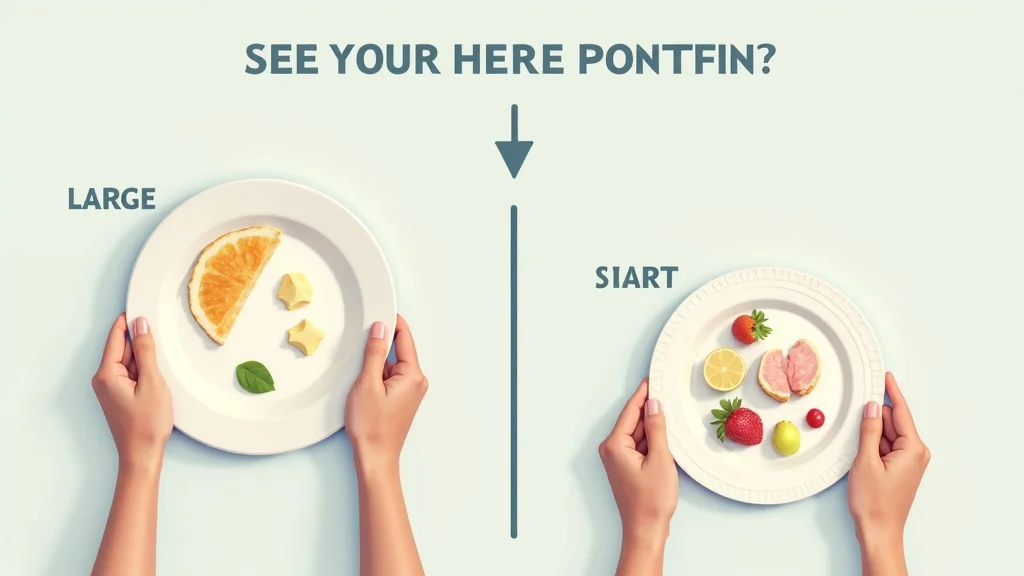
Portion sizes in restaurants, packaged food, and even at home have expanded dramatically over the years. A single plate of pasta may now serve two to three times what’s considered a standard serving size according to dietary guidelines. This trend makes it increasingly difficult to eat smaller amounts and respect your body’s fullness cues.
Large portions can visually “normalize” overeating—if a standard bowl fits twice the amount of food you actually need, you’re likely to finish it by default. Over time, this leads to gradual weight gain and an altered perception of what a healthy meal should look like. Recognizing these environmental cues and adjusting your food portions can empower you to regain control over your eating patterns.
While portion control is essential for everyone, it becomes even more critical for individuals managing specific health conditions, such as diabetes. For example, being mindful of the types and amounts of dried fruits you consume can help prevent unwanted sugar spikes—discover which dried fruits to avoid for better blood sugar management in this practical guide on dried fruits and diabetes.
"Studies show that people consume up to 30% more calories when presented with larger portion sizes."
What You'll Learn About Portion Control
The science behind portion control and its impact on health
Simple strategies to measure and manage serving size
Tips for reading food labels and nutrition fact panels
Expert-verified methods women use to control food portions
How portion control supports healthy weight loss and maintenance
Understanding Portion Control: Definitions and Principles
What is Portion Control?
Portion control is the practice of being mindful about the amount of food you choose to eat at one time. Rather than restricting yourself from specific food groups, portion control emphasizes eating balanced meals in appropriate quantities. For wellness-focused women, this approach helps achieve sustainable weight management by reducing calorie intake without feelings of deprivation.
Understanding portion control means tuning into how much you actually need for satiety and fueling your lifestyle, rather than following external cues like plate size, packaging, or restaurant servings. It equips you to make healthier choices and ensures that indulgences like ice cream don’t derail your goals as long as they’re enjoyed in the correct serving size.
Serving Size vs. Portion Size: Decoding the Difference
A serving size is a standardized amount of food set by governmental agencies and used on food labels and in nutrition fact panels. In contrast, a portion size is the actual amount of food you consume in one eating occasion, which can be more or less than the recommended serving size. Knowing this difference is vital: even nutritious fruits and vegetables need mindful measuring to ensure balanced meals.
For example, if the serving size on a cereal box says one cup but you regularly fill your bowl with two cups, your portion size is double the recommendation—meaning double the calories. By understanding these differences and reading food labels carefully, you’ll gain more control over your food intake and overall health.
Serving Size vs. Portion Size: Common Food Examples |
||
Food Item |
Serving Size (per label) |
Typical Portion Size (served/eaten) |
|---|---|---|
Ice Cream |
1/2 cup (approx. 65g) |
1 cup or more |
Pasta |
2 oz dry (about 1 cup cooked) |
2–3 cups cooked |
Bagel |
1 bagel (3 inches, 85g) |
1 large bagel (5–6 inches) |
Chicken Breast |
3 oz cooked |
6–8 oz cooked |
Rice |
1/2 cup cooked |
1–2 cups cooked |
Why Portion Control Matters for Wellness and Weight Management

For women committed to wellness and fitness, paying attention to portion sizes is foundational. Studies from institutions like the National Institute of Health show that controlling your food portion size can have profound effects on energy intake, satiety, and weight management. Even healthy foods can contribute to weight gain if eaten in excessive amounts.
Healthy weight loss and maintenance depend not only on what you eat, but also how much. By mastering portion control, you avoid the pitfalls of “portion distortion” and develop a healthier relationship with food. This approach sidesteps restrictive diets in favor of mindful eating and balanced choices.
The Link Between Portion Size, Food Portions, and Caloric Intake
The portion size you choose directly impacts your daily caloric intake—especially when eating calorie-dense foods. Oversized food portions at home or in restaurants can quickly add up, often without you noticing. For instance, a single “large” restaurant portion of pasta may contain two or even three times the recommended serving size, greatly increasing your total calories.
By training yourself to recognize and serve appropriate food portions, you put yourself in control of your nutrition, making it easier to maintain or lose weight with less effort and no deprivation. Smart portion control is an essential building block for sustainable wellness.
Portion Control and Its Role in Preventing Overeating
Practicing portion control helps align your intake with your body’s true needs. By paying attention to hunger and fullness cues and serving more realistic food amounts, you shift eating away from being habit-driven and back to being responsive to what you actually require for energy and satisfaction.
This strategy makes it easier to stop eating when you feel full, avoid “autopilot” snacking, and respond thoughtfully to the food you choose to eat. Over time, embracing portion control supports a balanced lifestyle, helping prevent chronic diseases linked to overeating and excess weight.
Top 5 Effective Methods for Portion Control
Using a smaller plate for mindful eating
Pre-portioning snacks and meals before eating
Learning to read food labels and nutrition fact panels to identify serving sizes
Visual cues for estimating appropriate food portions (e.g., a fist = 1 cup)
Listening to hunger and fullness signals rather than external cues
Expert Tips for Making Portion Control a Daily Habit
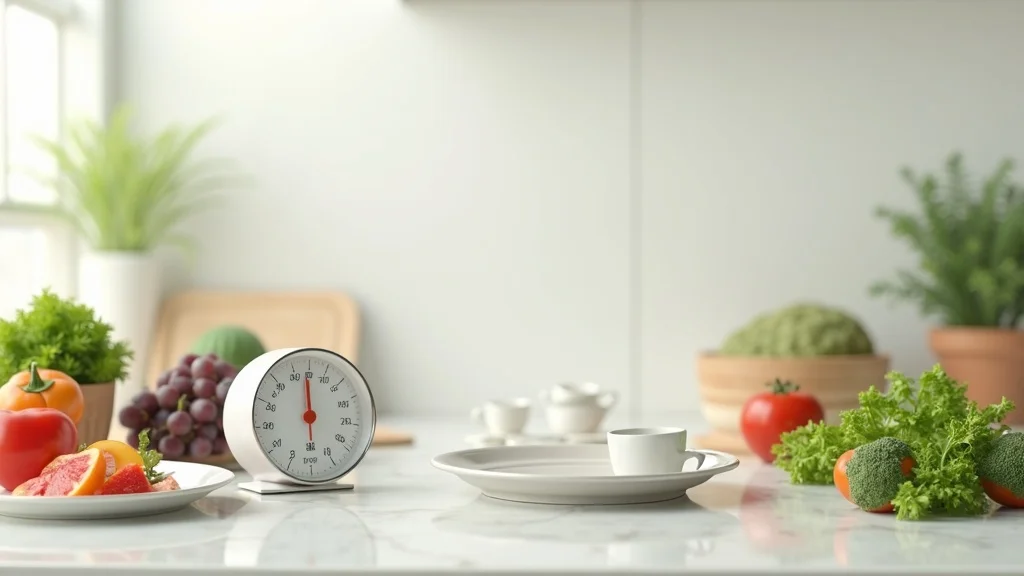
To make portion control second nature, consider these expert-recommended strategies used by women with consistently healthy habits: Start by using a smaller plate—this simple switch can instantly help you serve and eat less without feeling deprived. Another approach is to pre-portion snacks instead of eating straight from the bag, which often leads to unintentional overeating.
Keep a kitchen scale or measuring cups handy for main meals and tricky foods like pasta or ice cream. Track your eating with an app or journal to increase awareness of the actual amount of food you typically eat. Most importantly, slow down and check in with your fullness cues—when you feel comfortably full, stop eating, even if there’s food left on your plate. With practice, these methods will naturally guide you toward more appropriate serving sizes and long-term well-being.
Mastering Serving Size: How to Read Food Labels and Nutrition Facts
Quick Guide to Deciphering Food Portion Information
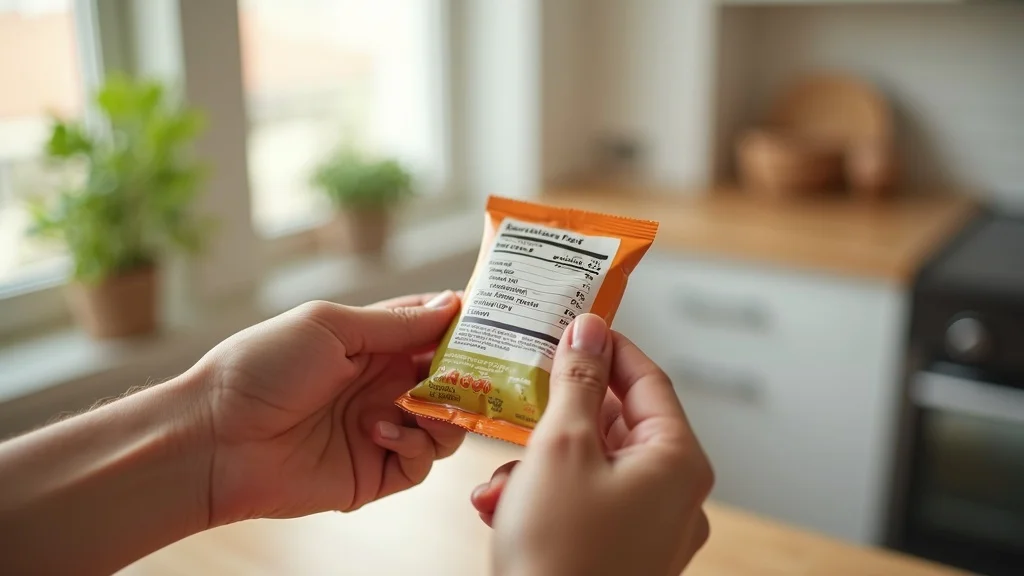
Understanding packaged food information is vital to portion control. Every packaged food product lists a serving size and the nutrition information for that size at the top of the label. Don’t assume your serving matches theirs—verify exactly how much is in one serving, whether it’s a handful, a single bar, or half a cup. This detail is especially important for calorie-dense items like nuts or ice cream, where double servings double your intake instantly.
Compare this serving size to what you would typically eat. If you’re having more, adjust all nutrition facts upward accordingly—calories, fat, sugar, and sodium. Use measuring cups the first few times to gauge how your portion compares to what’s listed.
How to Utilize Nutrition Fact Panels for Better Portion Control
Nutrition fact panels are a powerful tool for better portion control. Start by locating the serving size at the very top of any food label. All numbers—calories, protein, carbs—are based on this amount. Many women make the mistake of eating the entire packaged food item, not realizing it actually contains two or more servings.
Pay attention to added sugars, total fat, or sodium, as foods like soup, chips, or ice cream often pack excessive amounts into deceptively small serving sizes. By carefully reading the label and matching your portion to the recommended serving size, you’ll gain better control over your daily calories and long-term health.
Strategies for Portion Control at Home and When Dining Out
Portion Control for Home Cooks: Tools, Prep, and Best Practices
At home, portion control becomes much easier with the right tools and routines: Stock your kitchen with measuring cups, a kitchen scale, and portioned storage containers. When prepping meals, cook in bulk but store in single-serving containers to avoid the temptation to dish out more than you need.
Fill half your plate with fruits and vegetables—their high fiber and water content increase satiety on fewer calories. Use your palm or a deck of cards to estimate proteins, or a tennis ball for grains. These visual cues prevent the need for constant measuring. Over time, you’ll develop a natural sense of how much to serve and eat.

Smart Choices: Portion Control When Eating at Restaurants
Dining out can test your portion control resolve, as restaurants often serve double or triple the serving sizes recommended by dietary guidelines. Combat this by asking for a half-portion, splitting a dish with a friend, or immediately boxing half your meal before you start eating. Pass on the bread basket or order appetizers as entrées—they’re often more appropriately sized.
Focus on mindful eating: eat slowly, savor each bite, and listen to your body’s fullness cues. Avoid all-you-can-eat buffets, and always aim to fill half your plate with greens or other low-calorie, nutrient-dense sides. By implementing these practical strategies, you’ll enjoy dining out without sabotaging your goals.
This short explainer video covers key portion control techniques: using scales and measuring cups, spotting visual cues for different foods, reading food labels for serving sizes, and serving meals on smaller plates—all demonstrated in a real home kitchen for relatable, actionable steps.
Common Portion Control Mistakes and How to Avoid Them
Confusing serving size with portion size: Always check the serving size on food labels before serving yourself.
Ignoring hidden calories in sauces and dressings: Serve these on the side and use measuring spoons to track amounts.
Eating straight from the package: Always portion snacks onto a plate to avoid mindless overeating.
Not using a smaller plate: This simple trick makes portions appear larger and satisfies your brain with less food.
Portion Control Success Stories: Inspirational Quotes from Real Women
"Focusing on portion control, not deprivation, transformed the way I eat without sacrificing the foods I love."
Key Takeaways: Embracing Portion Control for Wellness
Understanding portion control is a critical step for long-term health
Simple daily habits can dramatically improve your food portions
Mastering food labels helps you maintain consistent serving sizes
FAQs on Portion Control and Food Portions
Is portion control enough for weight loss?
While portion control is a powerful tool for creating a calorie deficit and facilitating weight loss, sustainable results also depend on the quality of your food choices, activity level, and maintaining a balanced diet. Combining correct serving sizes with regular exercise and nutrient-rich foods delivers the best outcomes.
How do I know if my food portion is appropriate?
Compare your typical portions with the serving sizes listed on food labels or national dietary guidelines. Use visual cues (palm for proteins, fist for grains, etc. ) and check in with your fullness cues after eating—if you feel satisfied, not stuffed, your portion is probably just right.
Can portion control work if I'm very active?
Yes, active women may require larger serving sizes or more food portions to meet their energy demands. The key is adjusting portions upward to match calorie expenditure while still being mindful of serving sizes and overall nutrition quality.
People Also Ask About Portion Control
What are 5 methods of portion control?
The five most effective methods of portion control are using smaller plates, pre-portioning meals and snacks, measuring servings with cups and scales, reading food labels for serving size guidance, and practicing mindful eating to recognize hunger cues.
Can I lose weight just by portion control?
Yes, portion control can create a calorie deficit and support weight loss, especially when combined with a nutritious diet and regular exercise.
What is the 3 3 3 rule for weight loss?
The 3 3 3 rule for weight loss typically refers to eating three balanced meals, waiting at least three hours between meals, and aiming to stop eating three hours before bedtime. It's a simple guideline to help manage portion control and meal timing.
What is meant by portion control?
Portion control is managing how much food you eat at one time by focusing on the amount (serving size) rather than restricting specific food groups.
Gain powerful insights from nutrition experts and real women who have successfully used portion control to improve their health and maintain their ideal weight.
Conclusion: Start Mastering Portion Control for a Healthier You
Take charge of your health and wellness—master portion control today. Learn more at www.wellnessdigest.live
If you’re ready to take your wellness journey even further, consider exploring how nutrition can support your body’s natural balance beyond just portion control. For women interested in holistic health, learning about the benefits of seed cycling can be a powerful next step—this practice uses specific seeds to help promote hormonal harmony and overall vitality. Discover how integrating nutrient-rich seeds like pumpkin, sunflower, chia, and flax into your routine can complement your portion control efforts and unlock new levels of well-being by visiting this in-depth guide to seed cycling for hormonal balance. Embrace a more comprehensive approach to health and empower yourself with advanced strategies for lasting results.
Sources
Centers for Disease Control and Prevention (CDC): Portion Size vs. Serving Size
National Institute of Diabetes and Digestive and Kidney Diseases (NIDDK): Portion Control Tips
Harvard T.H. Chan School of Public Health: Healthy Eating Plate
U.S. Food & Drug Administration: How to Understand and Use the Nutrition Facts Label
Understanding and practicing portion control is essential for managing caloric intake and preventing overeating. The Mayo Clinic’s article, “Portion control for weight loss,” offers practical tips, such as using smaller dinnerware and visual cues, to help individuals gauge appropriate serving sizes. Similarly, Healthline’s piece, “9 Tips to Measure and Control Portion Sizes,” provides strategies like measuring portions with everyday objects and being mindful of serving sizes when dining out. Incorporating these techniques can empower you to make healthier choices and maintain a balanced diet.





Write A Comment