

Are you wondering how your independent massage therapy business can possibly compete with massage chains such as Massage Envy or Elements Massage without slashing your prices? In a world where chains advertise convenience, memberships, and low rates, it’s easy to feel overshadowed. But is competing solely on price really your only option—or could you offer something that chains simply can’t? By the end of this guide, you’ll know proven techniques to thrive, highlight your unique strengths, attract loyal clients, and grow your business —without joining the race to the bottom!

Are You Struggling to Compete with Massage Chains Like Massage Envy? Your Competitive Edge Awaits
It’s no secret— chain massage franchises have changed the massage therapy industry. From catchy offers to slick memberships, they’re everywhere. However, while big chain massage businesses invest heavily in advertising partners and online service convenience, they often lack the personalized touch and high quality care that independent massage therapy businesses can offer. If you’ve noticed more new massage franchises opening nearby, you might be worried: How can you keep your schedule full without dropping your rates or offering endless discounts?
The answer lies in playing up your unique strengths and focusing on client relationships over transactions. Unlike a massage chain, you control your client’s experience from the very first call to their post-session follow-up. When clients begin to crave quality, trust, and tailored experiences, the best therapists rise above the noise, building a sustainable therapy business that stands out—without having to compete on price with massage envy-style franchises.
The Unique Appeal of Chain Massage Businesses and Massage Franchises
Massage franchises like Massage Envy and Hand & Stone have tapped into what many modern consumers think they want: convenience, flexible hours, and simple online service booking—even for short notice sessions. Their business model offers quick entry, predictable pricing, and plenty of locations, making therapy accessible for many and driving down the average hour massage cost. However, this convenience often comes with trade-offs in the actual massage therapy experience and the quality of service providers .
For some clients, the choice of a chain massage parlor is mostly about affordability or proximity. Yet, others soon realize that the therapy session can feel rushed, impersonal, or inconsistent depending on the massage therapist available that day. As an independent business, you aren’t limited to the “cookie-cutter” approach of the big brands—instead, you can nurture real client relationships and offer massages that are tailored to individual needs.
"Clients crave quality, not just affordability—being independent means you can offer that, and more."
Understanding the Competitive Landscape: Chain Massage and Massage Franchises
To successfully compete with massage chains , it’s helpful to understand what exactly makes them attractive. Massage franchises leverage strong branding, consistent pricing, and recurring memberships as their key draws. They advertise everywhere—on social media, local billboards, and even sponsored online service reviews—enhancing their reach. However, these perks can only go so far when compared to a truly customized, high quality experience.
For independent massage therapists, it’s crucial to analyze what drives clients into chain massage locations and what eventually leads them to seek a more personal and professional massage environment. That’s where your opportunity lies—by providing exceptional value and a personalized approach.
What Makes Massage Envy and Other Massage Chains So Popular?
Massage Envy , Hand & Stone, and other major franchises succeed because they offer: 1) Extensive marketing, 2) memberships and loyalty discounts, and 3) a perceived sense of reliability. Many clients enjoy the comfort of knowing their hour massage will follow a familiar routine, the ability to book online service at almost any hour, and the recurring “value” of monthly sessions at a set rate.
Yet these advantages come with drawbacks—service quality may vary significantly, and clients may feel like just another name in the booking system. In contrast, an independent massage therapist can truly get to know their clients’ needs, provide additional services like specialty massages or hot stone therapy, and create deep client loyalty through attention and care.
|
|
|
Comparison of Massage Chains vs. Independent Massage Therapy Businesses |
|
Feature |
Massage Chains (e.g., Massage Envy) |
Independent Massage Therapy Businesses |
|---|---|---|
|
Pricing |
Low, predictable, membership-based |
May vary; focused on value and personalized experience |
|
Services Offered |
Basic menu; upgrades extra cost |
Specialized, customized, high quality therapy |
|
Loyalty Programs |
Memberships, package discounts |
Tailored loyalty, exclusive offers, referral bonuses |
|
Client Experience |
Standardized, less personal, fast paced |
Personalized, relaxing, trust-building |

Crafting Your Value Proposition to Compete with Massage Chains
To compete with massage chains and succeed, your massage therapy business needs a standout value proposition. This starts with communicating how your services differ from—and surpass—the generic offerings at a massage franchise. Think about your unique skills, passion for wellness, and ability to spend extra time with each client. Whether you specialize in sports recovery, prenatal therapies, or integrative bodywork sessions, embrace those skills as your biggest advantage.
You can also introduce high quality experiences that mass-market franchises often overlook. For example, adding hot stone upgrades, aromatherapy, or tailored post-session plans can create a sense of luxury and individual care. Being known as a local expert who listens and responds to clients’ needs helps build your reputation and keeps clients returning—even when new chains open nearby.
Highlighting Your Massage Therapy Business’s Unique Experience
Chain massage parlors may draw people in with flashy membership packages, but your independent massage therapy business can offer something invaluable: a truly personalized journey. From the initial consultation to carefully tracking your client’s health goals, your commitment sets you apart. Invite clients into your serene, detail-oriented massage space—one where they feel seen, heard, and genuinely cared for.
Clients quickly notice when sessions aren’t rushed and when their preferences are remembered. Your approach can include expert advice, follow-up care, and additional services like wellness products or custom gift cards for special occasions. These touches create lifetime value—far beyond what a chain can provide.
"Personalized care and trust aren’t just buzzwords—they’re what bring clients back again and again."
How to Attract and Retain Clients Without Competing on Price
Retaining clients and standing out from massage chains isn’t about offering the biggest discount—it’s about delivering results and unforgettable client care. Loyalty grows when clients feel a sense of trust, consistency, and belonging. As a dedicated massage therapist, your secret weapon is the long-term relationship: learning about clients’ evolving needs, celebrating their milestones, and offering holistic support.
You can also develop enticing packages and value-added deals that don’t revolve around price cuts. For instance, offer a package of sessions with additional services bundled in, or give a gift card for a friend with every new client referral. These strategies increase perceived value and ensure each session feels like a premium experience.
Building Lasting Client Relationships in Your Massage Therapy Business
The most successful independent massage therapy businesses are built on relationships, not transactions. Take time to listen to your clients at every visit, remember important details about their wellness goals, and follow up after each massage session. Creating personal connections leads to genuine client loyalty—something chain massage franchises, with their high therapist turnover and rushed routine, can’t easily replicate.
Consider introducing a new client intake that gathers personal information about preferences, health status, and treatment history. This added touch provides confidence for new and returning visitors. Don’t forget to recognize loyal clients through thoughtful gestures—be it a personalized note, a small product sample, or exclusive access to early booking on busy weekends.
Leveraging Advanced Therapeutic Services as a Massage Therapist
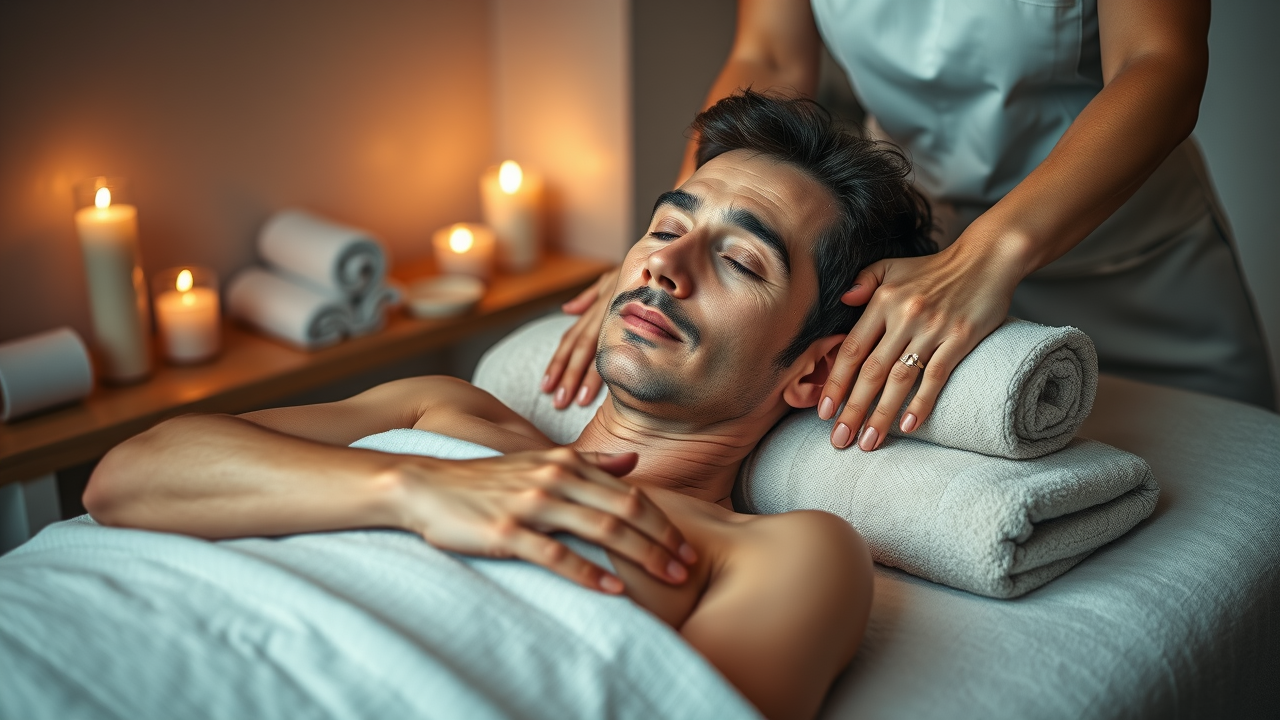
Elevate your brand by offering specialized massage therapy services. Advanced modalities such as sports massage, prenatal massage, or integrative bodywork help you stand out from the competition. These additional services present opportunities to attract niche markets and to market yourself as a true subject matter expert.
By investing in continuing education and certifications, you’ll demonstrate your dedication to high quality, evidence-based care. Clients seeking results often value expertise far more than a bargain price, so make these advanced services the cornerstone of your messaging.
-
Enhanced client consultation
-
Customized therapy plans
-
Post-session follow-ups
-
Specialized services (e.g., sports massage, prenatal massage)
-
Packages with added value—not discounts
Mastering Marketing Tactics to Compete with Massage Chains
Chain massage franchises invest heavily in digital marketing and social media, but your local presence and tailored promotions can be even more impactful. It’s not enough to wait for clients to find you—take control with consistent branding, engaging online content, and unparalleled convenience in your booking process. Your authenticity and reputation are your strongest marketing signals.
Whether through blog posts, sharing behind-the-scenes photos, or offering health tips on your website, show your expertise as a high quality massage therapist. Build a following on social media by hosting Q&A sessions, spotlighting new services, and sharing testimonials from long-term, satisfied clients.
Local SEO Tactics and Digital Presence for Massage Therapy Success
Optimizing your website and digital presence is essential for massage therapy businesses aiming to compete with massage chains . Focus on ranking for local keywords—such as “massage therapist in [Your Town]”—and claim your Google My Business listing. Encourage happy clients to leave detailed reviews about your customized care, which helps build online credibility and attracts discerning clients craving high quality, personal attention.
Regularly update your site with fresh blog content, highlight promotions, and ensure your location and contact details are up to date. Link to your social media channels and offer simple online service booking features. Strong local SEO, paired with a responsive and authentic web presence, cements your reputation as the preferred local therapy business.

Streamlining Client Communication and Online Booking
Convenience should not be the sole domain of massage chains. Simplify your scheduling process with streamlined online service booking tools that allow clients to book, reschedule, or cancel sessions on their own terms. Clearly communicate policies, appointment reminders, and last-minute availability to minimize no-shows and manage short notice bookings efficiently.
Personalized communication is key: automated follow-ups thanking clients for their visits, birthday messages, and helpful check-ins all contribute to a premium experience. Integrate these tools into your workflow and make your business even more attractive than a chain massage place.
Showcasing Client Testimonials to Build Trust In Your Massage Therapy Business
One of the strongest ways to set yourself apart from massage chains is to show real stories from happy clients. Collect reviews and testimonials that speak to your expertise, personal approach, and high quality standards. Share these on your website, social media, and marketing materials to demonstrate your impact and build trust with potential new visitors.
Encourage video testimonials for even greater authenticity. Make the process simple—provide clients with tips or even a prepared script outlining what they enjoyed about your services. Prospective clients are far more likely to try a new therapy business that exudes trust and proven results.
Walkthrough: How to Create a Customer Testimonial Video for Your Massage Therapy Business

Empowering Your Team: Best Practices for Hiring and Retaining Skilled Massage Therapists
The backbone of any successful independent massage therapy business is a skilled and dedicated team. To attract and retain the best massage therapists, create a positive, engaging workplace culture that rewards development, celebrates achievement, and prioritizes work-life balance. Careers thrive where therapists feel respected, supported, and encouraged to grow their skills—unlike the often rushed environment found in a typical massage franchise.
Incentivize excellence not through competition, but through collaboration. Foster team-building moments and transparent communication. When your team loves where they work, that enthusiasm and professionalism shine through to your clients.
Incentives and Work Culture That Outshine Massage Franchises
Independent businesses have significant flexibility in rewarding high quality performance—including offering paid time off, bonuses for client milestones, or recognition for stellar service. These incentives go a long way towards building loyalty and pride among your therapists. Additionally, a flexible schedule and respectful management make your business the employer of choice over chain massage franchises.
Open conversations about what your staff value most and adjust your incentives to match their personal goals. Recognize top performers publicly at team meetings or through celebratory events, creating a culture where accomplishment is openly appreciated.
Continued Education and Training for Massage Therapists
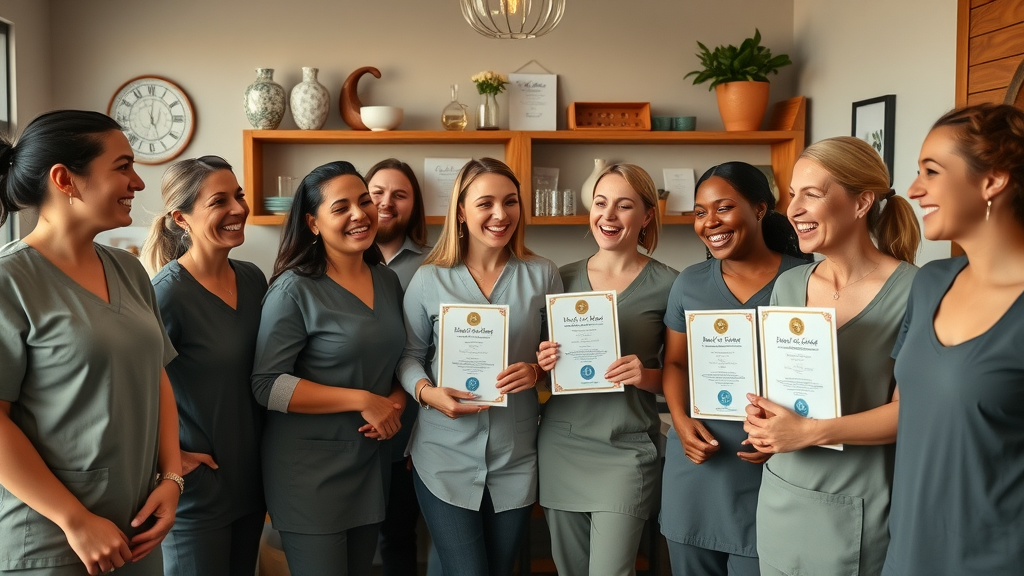
Set your therapy business apart by investing in your therapists’ ongoing education. Offer stipends for professional development, sponsor attendance at industry workshops, or bring in guest instructors for specialized skills like advanced fascia work or hot stone technique. Not only does this expand the abilities of your staff, it assures clients that your team delivers up-to-date, evidence-based care.
Mentorship opportunities within your business foster a spirit of collaboration and learning. Encourage seasoned therapists to coach newcomers, ensuring your reputation for high quality service grows with every appointment.
-
Offer professional development workshops
-
Recognize top performers
-
Provide mentorship opportunities
Running a Sustainable and Profitable Massage Therapy Business
It’s entirely possible to compete with massage chains and remain profitable without resorting to discounts or sacrifices. Start by streamlining operational costs, improving appointment management, and tracking business expenses closely. Regularly review which services, packages, or times of day generate the most revenue to optimize your schedule and staffing.
Consider using software tools for digital intake forms, financial tracking, and inventory management. When operations are efficient and overhead is low, you can focus on delivering a premium client experience and growing your market presence.
Efficient Operations for Independent Massage Therapy Practices
Efficient business operations let you spend more time creating memorable client experiences. Automate repetitive administrative tasks and standardize processes such as reminders, consent forms, and payment collection. Invest in systems that give you clear visibility into cash flow, booking trends, and client history so you can make smart decisions to increase profitability.
Organized operations not only save money but free up resources so you can expand your services or marketing efforts. A streamlined practice is always ready to scale up—especially when new competitors move in nearby.

Innovative Revenue Streams Beyond Discounting Prices
Think outside the box about ways to earn revenue and offer clients more value, without undercutting competitors. Instead of slashing prices, introduce membership packages with perks like priority booking, wellness check-ins, or free add-ons. Offer gift cards for holidays, create online classes for at-home stretching or relaxation, and sell curated wellness products.
Some independent massage therapy businesses even partner with local gyms and fitness studios for referral programs or corporate events. Regularly review what’s working and don’t hesitate to innovate—your ability to adapt is a true advantage over rigid massage franchise models.
|
|
|
Innovative Offerings Comparison |
|
Offering |
Description |
Impact |
|---|---|---|
|
Membership Packages |
Bundle sessions with value-adds (priority booking, wellness checks) |
Steady revenue, stronger loyalty |
|
Wellness Add-ons |
Hot stone treatments, aromatherapy, customized care |
Upsells, increased satisfaction |
|
Online Classes |
Virtual sessions on stretching/self-care |
Reaches wider audience, passive income |
|
Gift Cards |
For holidays or referrals, boosts word-of-mouth |
New client introduction, increases bookings |
Addressing Common Questions About Competing with Massage Chains
How much do you tip for a $100 massage?
A standard tip for a $100 massage is typically 15-20%, so you’d tip between $15 and $20. Tipping is a way to show appreciation for high quality service and the skill of your massage therapist. Always tip in cash if possible, and remember that independent therapists rely on tips more than those working for large chain massage franchises.
How to tell if a massage parlor is shady?
Watch for these warning signs: vague answers about licensing, hidden price lists, lack of professional decor, and requests for personal information that seems unrelated to health. Legitimate massage therapy businesses will always provide clear details about the massage therapist, services, and policies. If the business appears secretive or pressures you to buy products and services, walk away.
Can a massage therapist massage the groin area?
Therapeutic massage should always respect professional and legal boundaries. A massage therapist will only work near the groin if it is needed for specific muscle groups, with client consent and proper draping. If you feel uncomfortable, you have every right to speak up or stop the session. A reputable therapy business will prioritize comfort and transparency.
Is it good to have a massage before a competition?
A massage before a competition can be beneficial. Sports massages can warm up muscles, increase circulation, and reduce the risk of injury, improving performance. It’s best to choose a therapist trained in sports massage who understands your needs. Always communicate with your therapist about timing and intensity for best results.
Frequently Asked Questions for Independent Massage Therapy Businesses
How can I compete with massage chains without lowering my prices?
Focus on delivering a high quality, personalized experience that chain massage businesses cannot match. Build client relationships, offer specialized services, and leverage marketing tools like social media and online reviews. Show your expertise and passion at every step.
What services set an independent massage therapy business apart?
Tailored massage therapy plans, specialized modalities (such as prenatal or sports massage), wellness consultations, follow-up check-ins, and a relaxing, private treatment environment all distinguish independent therapy businesses. Offering gift cards and value-added packages keeps your services desirable.
Do loyalty programs and memberships work for small massage businesses?
Yes! Well-designed loyalty programs and memberships generate recurring revenue and foster long-term commitment. Offer exclusive perks and recognize frequent clients to keep your community thriving and engaged.
Strategies in Action: Behind the Scenes of a Successful Independent Massage Therapy Business
Key Takeaways for How to Compete with Massage Chains and Grow Your Massage Therapy Business
-
Do not race to the bottom on price
-
Lean into personalization and expertise
-
Market local reputation and trust
-
Innovate with services and memberships
Ready to Stand Out From the Chains? Reach Out for a Personalized Strategy Today
The path to success doesn’t require you to undercut prices. Focus on trust, quality, and innovation—and call us at (615) 933-1673 to discover how we can help your massage therapy business thrive!
To effectively compete with massage chains without lowering your prices, it’s essential to emphasize the unique advantages your independent practice offers. By focusing on personalized care, building strong client relationships, and highlighting specialized services, you can distinguish your business and attract a loyal clientele.
1. Emphasize Personalized Care and Client Relationships
Independent massage practices have the flexibility to offer tailored experiences that chain spas often cannot. By taking the time to understand each client’s specific needs and preferences, you can provide customized treatments that foster trust and loyalty. This personalized approach not only enhances client satisfaction but also sets your practice apart from standardized services offered by larger chains. ( katiedenhamlmt.com )
2. Highlight Unique Offerings and Specialized Services
Offering specialized treatments or incorporating unique techniques can attract clients seeking services beyond the standard offerings of chain spas. For instance, integrating regional massage methods or using locally sourced products can create a distinctive experience that appeals to clients looking for something different. These unique offerings can become a significant draw for your practice. ( pintofpeace.com )
3. Leverage Community Engagement and Local Partnerships
Building relationships with local businesses and participating in community events can enhance your visibility and reputation. Collaborating with nearby fitness centers, yoga studios, or wellness centers for cross-promotions or joint events can introduce your services to a broader audience. Such partnerships not only expand your client base but also reinforce your commitment to the local community. ( interstellarhtx.com )
4. Implement Strategic Marketing and Loyalty Programs
Developing a strong online presence through social media and a user-friendly website can effectively showcase your services and engage potential clients. Sharing client testimonials, before-and-after photos, and informative content can build trust and credibility. Additionally, implementing loyalty programs that reward repeat clients can encourage ongoing patronage without resorting to price reductions. ( honeyandmarbles.com )
5. Focus on Exceptional Customer Service
Providing outstanding customer service is a powerful differentiator. Ensuring that each client feels valued and cared for can lead to positive word-of-mouth referrals and repeat business. By prioritizing client satisfaction and consistently delivering high-quality experiences, your practice can stand out in a competitive market. ( katiedenhamlmt.com )
By concentrating on these strategies, your independent massage practice can effectively compete with larger chains, attracting clients who value personalized care and unique experiences over discounted prices.




Write A Comment