
Imagine a world where children run toward fire safety lessons with sparkling eyes—where the fear of fire is replaced with confidence, understanding, and even excitement. For Bill Schneider, known to thousands as Stan the Magical Fireman, this isn’t just a dream; it’s a daily reality forged in classrooms, daycares, and community centers across the country. For over 25 years, Bill has pioneered an approach that infuses wonder, storytelling, and hands-on magic into fire safety education for children. As our communities grapple with the urgent need to keep young lives safe, his message is clear: fire safety can—and must—be both fearless and unforgettable.
In this article, Bill Schneider reveals how magic makes fire safety safe: teaching children lifesaving skills through wonder is more than a catchy phrase—it’s a transformative strategy. Drawing on decades of experience, he unpacks common misconceptions, explains why traditional fire safety education often falls flat, and demonstrates how magic builds not just memories, but a safer community for all our children.
Bill Schneider’s Core Message: Fire Safety Education Must Be Engaging and Fear-Free for Kids
“The biggest misconception is that teaching children about fire safety once a year provides enough education for them.”
– Bill Schneider, Stan the Magical Fireman
According to Bill Schneider, far too many adults believe that one annual assembly—or even a simple conversation at home—delivers all the fire safety knowledge a child needs. Yet, the reality is starkly different. "Families often don't teach the fundamentals that are needed to keep children safe," Bill emphasizes. He’s witnessed generations of kids leave annual school fire safety talks with fleeting memories that fade long before they’d ever need to use those lessons. What’s missing is true engagement, repetition, and a supportive atmosphere that calms rather than frightens.
Bill’s core belief, forged over years of interactive performances and heartfelt community feedback, is unwavering: “Fire safety can’t be scary, or it simply won’t stick.” This guiding principle shapes every moment of his work. He insists that fear-based education alienates kids—and can even cause dangerous reactions, such as hiding from firefighters during a real emergency. Instead, Bill’s mission is to deliver crucial skills in ways that empower and inspire, making every child not merely a passive listener, but an eager, equipped safety partner.
The Challenge: Why Traditional Fire Safety Lessons Often Fail Young Children
Short Attention Spans and Fear-Based Approaches Undermine Learning
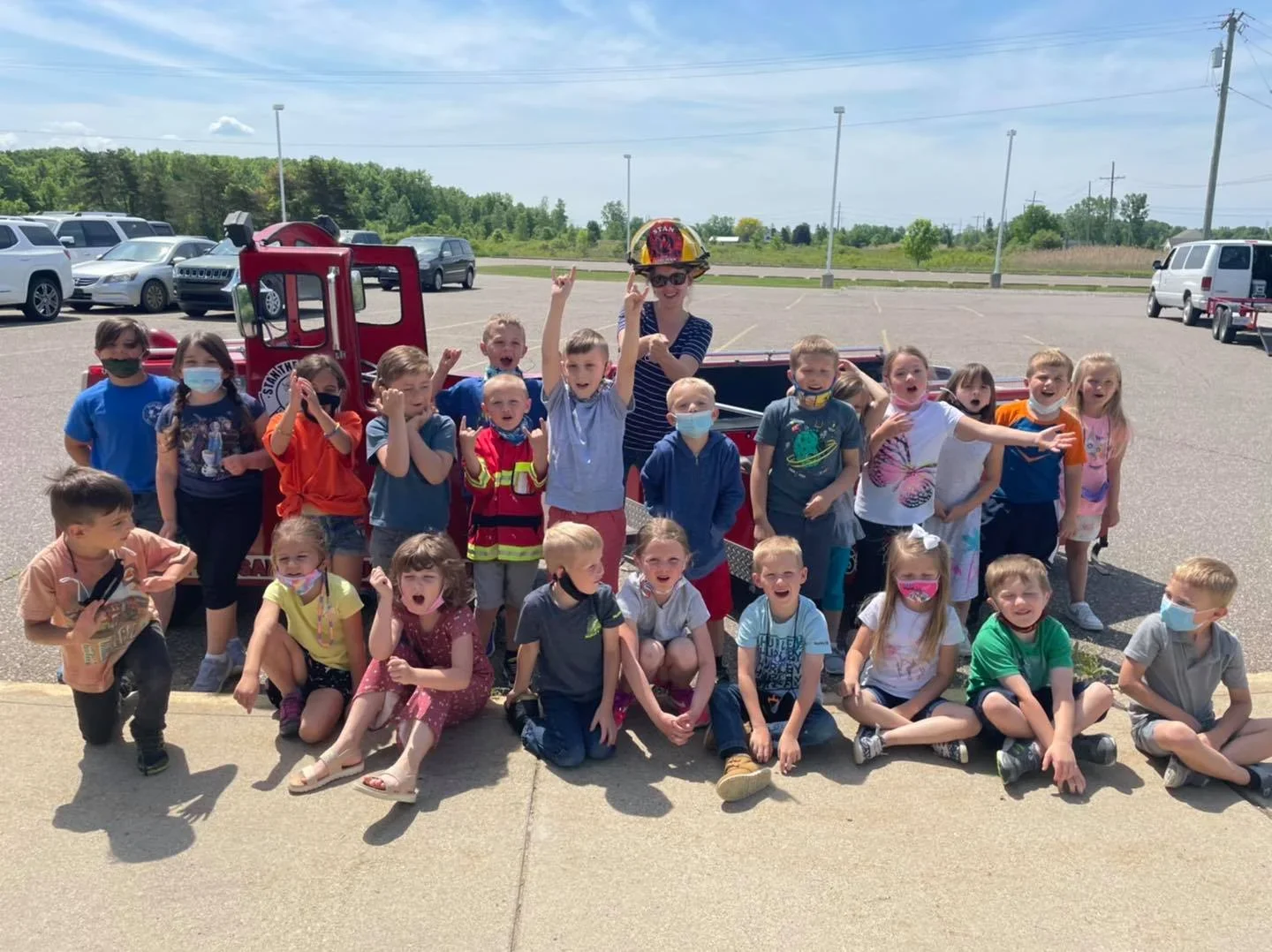
Traditional fire safety instruction often relies on lectures, pamphlets, and one-off demonstrations—methods that fall short in the face of short attention spans and the natural anxieties of early childhood. “You don’t want them to hide from firefighters or be scared about what to do. Fire safety shouldn’t feel like a scary situation,” Bill Schneider warns. This insight is born of experience; he has seen firsthand how children disengage the moment a lesson becomes threatening or abstract. Young children, especially, may become so anxious about fire that they tune out the very instructions designed to keep them safe.
When fire safety is delivered through dire warnings or graphic stories, it can trigger avoidance rather than action. The difference between a child who freezes or hides and a child who responds calmly in an emergency is often rooted in how they were taught. Bill has long observed that fear is an unreliable teacher; instead of inspiring readiness, it breeds confusion and even mistrust. “Kids need reassurance, not just information,” he notes. When we overlook their emotional needs, we risk leaving them unprepared—no matter how many times the information is technically presented.
The Urgent Need for Age-Appropriate, Engaging, and Repeat Learning
Typical fire safety education happens only annually, risking retention loss
Families often lack the tools or knowledge to teach critical safety fundamentals at home
Fire safety must be easy to understand and delivered in a comforting context
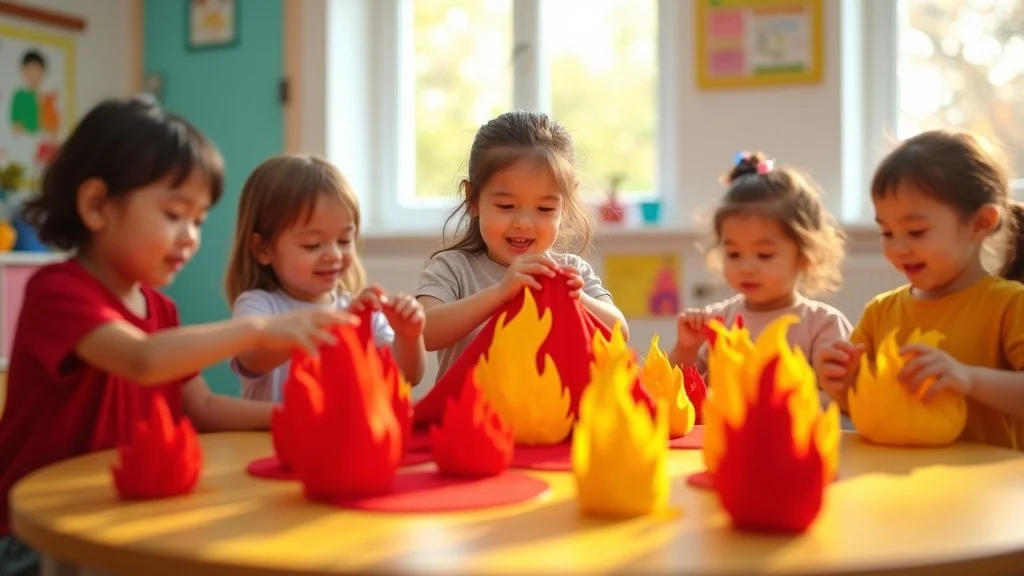
Children need fire safety education for children that is not just age-appropriate, but also woven naturally into their lives. Bill Schneider emphasizes that annual lessons result in “retention loss,” leaving children vulnerable despite good intentions. Most families, despite their love, simply don’t have the tools or training to break down complex safety protocols into language and activities young children can process. As Bill routinely observes at community events, many parents are shocked to realize how little their children actually retained from previous fire safety talks.
Delivering early childhood fire safety awareness in a comforting environment is more than a best practice—it's a necessity. Bill explains that regular, friendly reminders create a safe space for kids to ask questions, role-play, and truly understand what to do. By making lessons fun and interactive, children are able to build familiarity and confidence that persists long after the last applause. “The fundamentals just won’t stick any other way,” Bill says. “Kids need repetition, context, and a little bit of magic.”
Why Magic Is a Proven and Powerful Tool in Teaching Fire Safety to Children
Magic Engages Multiple Senses to Improve Memory Retention
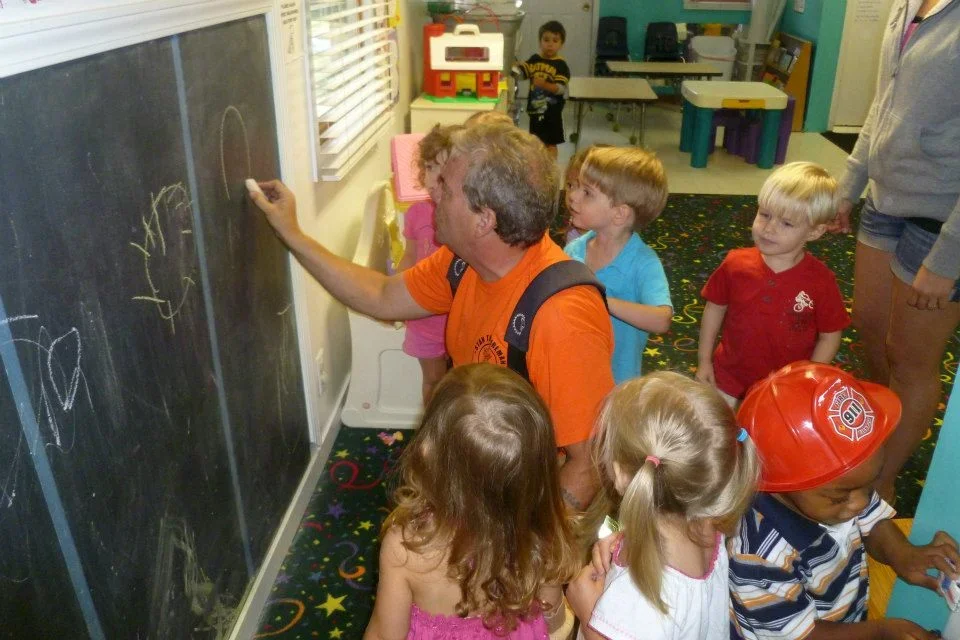
What if every vital lesson could be as unforgettable as a magic trick? According to Bill Schneider, this is the secret to making fire safety activities for kids truly effective
Research supports Bill’s approach: multi-sensory learning isn’t just engaging, it dramatically enhances information retention. In a single fire safety magic show for kids, children see imaginary flames vanish, “magical smoke” swirl, and hear playful prompts that embed critical concepts. Each trick is meticulously designed to reinforce a safety message, ensuring kids remember not just the trick, but the lesson behind it. According to Bill, magic isn’t a gimmick—but a bridge to lasting understanding.
Storytelling and Wonder Lower Anxiety, Making Lessons Stick
“Magic and storytelling make children more comfortable and relaxed so they can understand fire safety facts without fear.”
– Bill Schneider, Stan the Magical Fireman
Storytelling lies at the heart of Bill Schneider’s performances—and his philosophy. He crafts stories about courageous pets, adventurous children, and everyday heroes who face fire calmly and wisely. This narrative approach lowers anxiety, transforms abstract dangers into friendly challenges, and dismantles barriers of fear. Bill asserts that when children are relaxed, "they can understand the facts about fire safety a little bit easier.” Even the shyest child, drawn into a tale or dazzled by a simple illusion, finds their voice in these enchanted moments.
According to Bill Schneider, storytelling also helps anchor facts with emotional resonance. A magic trick might make a child giggle, but the accompanying story helps embed a critical rule—like “stop, drop, and roll” or “never hide from a firefighter”—into long-term memory. This approach means that children not only recall the information, but also feel empowered and unafraid to act. It’s a methodology grounded not in escapism, but in the belief that even life-saving skills can be learned with joy.
Active Participation Helps Children Build Confidence in Safety Skills
Bill’s programs always feature audience participation. Children become part of the show, volunteering for acts, shouting out answers, and even “assisting” with magic tricks that demonstrate essential safety steps. This shift from passive listening to active doing has a transformative effect: confidence soars as kids see themselves mastering skills firsthand. Such interactive learning not only provides a memorable experience but also encourages children to rehearse and recall fire safety behaviors when it matters most.
As Bill Schneider points out, confidence can be the bridge between knowing and doing—especially in moments of crisis. When a lesson is delivered through magic, play, and praise, children are much more likely to see themselves as capable responders. “The child who feels part of the learning,” he emphasizes, “is the child who remembers what to do.” This participatory model now serves as a blueprint for daycare fire safety programs, school fire safety assemblies, and even national fire department community outreach programs looking to make a lasting impact.
Stan the Magical Fireman’s Unique Approach to Delivering Life-Saving Lessons
Interactive Performances Combine Humor, Repetition, and Clear Safety Messages
Every Stan the Magical Fireman performance is crafted to blend laughter, magic, and unequivocal safety messaging. Bill uses repetition—returning to vital points throughout the show—to help children absorb key instructions like “crawl low under smoke” and “call 911 only in an emergency.” Humor is always present, defusing fear and making each lesson both approachable and memorable. By weaving core rules into magical routines, Bill transforms what could be intimidating instructions into playful moments of discovery and pride.
According to Bill Schneider, the use of simple language and repeated engagement is what makes the difference. “Children need to hear and see the same message, in different ways, multiple times before it sticks,” he says. The active structure of his show is a direct response to the pitfalls of one-size-fits-all safety talks: instead, every trick, every joke, every story serves the greater purpose of reinforcing critical habits without ever crossing into the territory of fear.
Real-Life Impact: Transforming Fear into Fascination
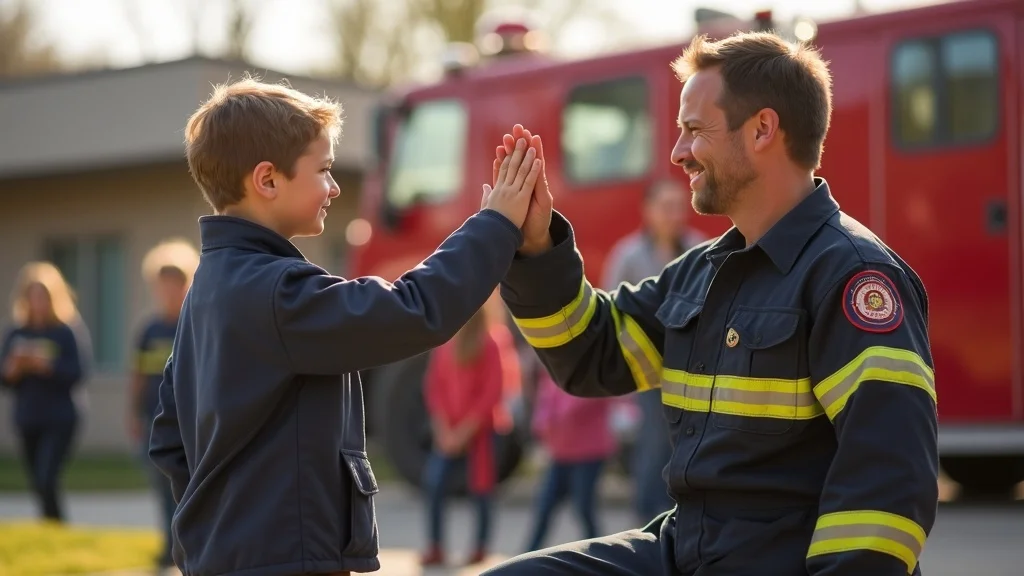
“I met a mother whose son was afraid of firefighters until he saw my show at age five—now he’s 21 and wants to become a firefighter.”
– Bill Schneider, Stan the Magical Fireman
Perhaps nothing better illustrates the power of magic in fire safety education than the stories Bill collects from grateful families. One memorable encounter involved a mother whose young son, once terrified of firefighters, completely transformed after witnessing Stan the Magical Fireman. Years later, that boy—now turning 21—plans to pursue a career in firefighting. According to Bill, countless parents have shared similar stories: “Magic and laughter broke down the fear. Those early lessons became part of who he is.”
This transformative effect isn’t limited to a lucky few. Each year, Bill’s programs spark interest and courage in thousands of children who would otherwise shy away from safety conversations. From the anxious toddler to the chatty third grader, “fire safety becomes a source of fascination, not fear,” he reflects. This change ripples through classrooms, homes, and communities—creating generations of children who are ready and willing to act, not freeze, in the face of danger.
Made to Connect with Kids of All Backgrounds in Schools, Daycares, and Community Events
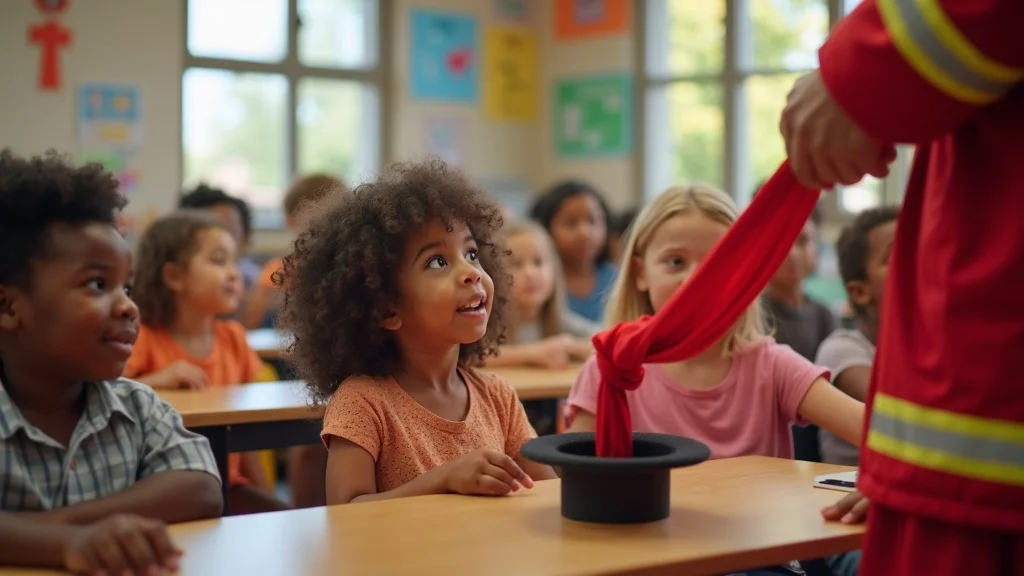
Bill’s magic transcends language barriers, cultural differences, and even geographic boundaries. By designing programs that fit seamlessly into school fire safety assemblies, daycare centers, and community events, he ensures that crucial lessons reach as many children as possible. His performances are tailored for inclusivity, often featuring multicultural characters, universal stories, and props that invite every child to participate.
No matter the setting, Bill’s goal remains the same: make learning fire safety activities for kids engaging, accessible, and deeply relevant. Parents, teachers, and fire departments repeatedly commend his work not just for the memories he creates, but for building a common language of safety that entire communities can rally behind. As Bill regularly affirms, “Every child deserves to learn how to stay safe in a way that makes sense to them, and magic helps make that possible.”
Key Takeaways: How Magic Transforms Fire Safety Education From a Forgotten Lecture Into a Lasting Memory
Fire safety education works best when it’s non-scary and repeated
Magic and storytelling provide a compassionate learning bridge that kids relate to
Confidence and calm come from lessons that feel interactive rather than intimidating
Building a Safer Community Starts with Creative, Engaging Fire Safety Teaching
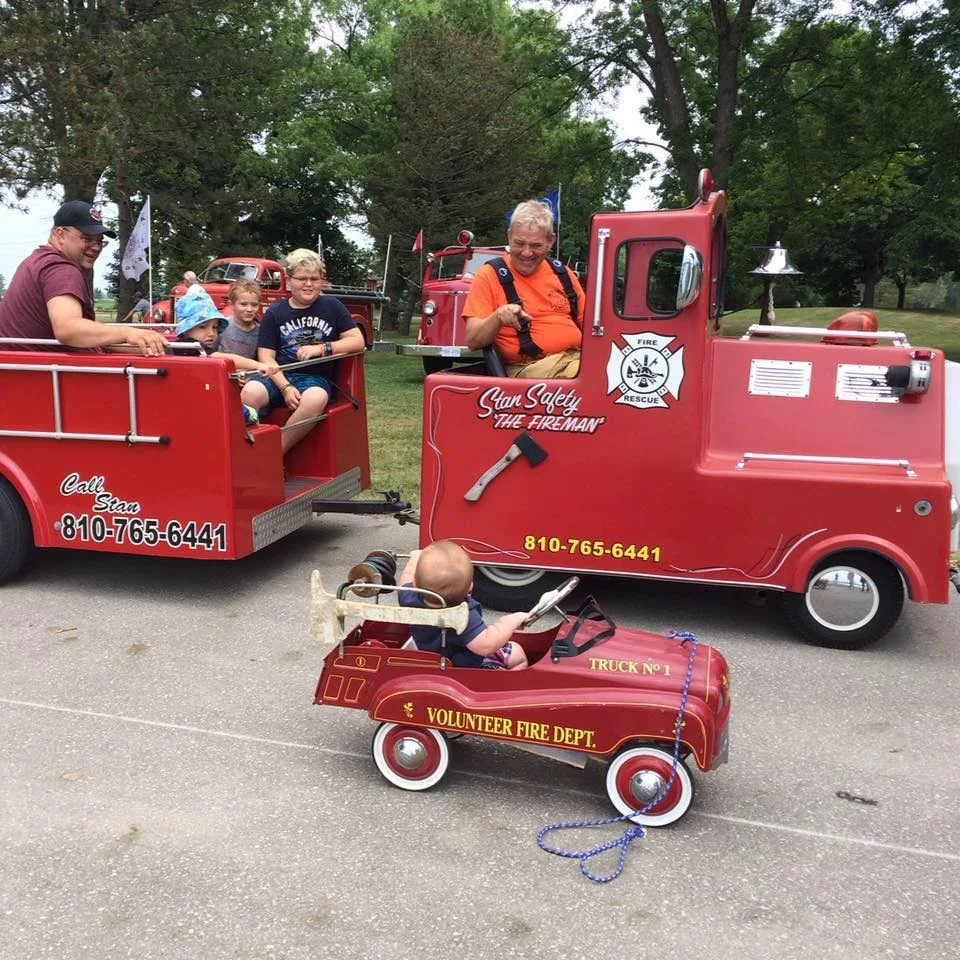
“Every child deserves to learn how to stay safe in a way that makes sense to them, and magic helps make that possible.”
– Bill Schneider, Stan the Magical Fireman
For Bill Schneider, the ultimate goal extends far beyond the classroom or the stage. By weaving magic, laughter, and learning into every encounter, he plants the seeds of a safer future—one child, one family, one community at a time. The lesson for us all is clear: creative, empathetic instruction saves lives, empowering even the youngest child to respond with courage and clarity in the face of a fire emergency. The memories built in a magical fire safety show linger for years, outlasting traditional lectures and ensuring that knowledge is there when it matters most.
Next Steps: Bringing Engaged, Fear-Free Fire Safety Education to Your Children and Community
Explore Fire Safety Magic Shows and Educational Programs in Local Schools and Daycares
The journey to lasting fire safety awareness begins with accessible, engaging programs for children. Parents and educators should seek out fire safety magic shows for kids and advocate for regular, age-appropriate sessions in schools and daycares. As Bill Schneider highlights, the key is to replace one-off presentations with a culture of repeat, positive learning—using magic as the doorway to meaningful, unforgettable lessons.
Incorporate Storytelling and Play-Based Learning into Fire Safety Curricula
Contact experts specialized in child-centered fire safety education
Advocate for repeat lessons rather than one-off safety talks
Encourage parents to reinforce safety through positive, engaging methods at home
“It’s important to teach fire safety in a way that empowers kids—not frightens them—so they are prepared without fear.”
– Bill Schneider, Stan the Magical Fireman
Bill urges parents, teachers, and fire safety professionals to transform how we approach this critical subject. By incorporating play, stories, and magical demonstrations, communities can reduce anxiety and ensure retention. Reinforce these lessons at home with hands-on fire drills, games, and ongoing conversations—a strategy that multiplies the effect of school and community programs, preparing every child without ever invoking fear.
For More Information and Community Involvement Opportunities:
The journey doesn't end with the final applause or the last magic trick. To build a truly fire-safe generation, communities must invest in playful, ongoing, and inclusive safety education. Encourage your local schools and community centers to bring in child-centered, repeatable programs. Stay connected with trusted partners like Stan the Magical Fireman and ensure your children are learning fire safety the safe, fearless, and memorable way.






Write A Comment