
Add Row
Add Element
Health Line Journal
UPDATE
Add Element
  • Home
  • Categories
    • Holistic Health
    • Community Health
    • Everyday Wellness
    • Behind the Practice
    • Health Products
    • Wellness Travel
    • Life and Health
June 19.2025
1 Minute Read

Don't Make This Costly Mistake with Ambulatory Infusion Pumps!

Curvilinear Peristaltic Design tubes in biomechanical lab, fluidic flow, photorealistic.

Curlin Medical

📍 Address: 15662 Commerce Ln, Huntington Beach, CA 92649

📞 Phone: +1 714-893-2200

🌐 Website: https://www.moog.com/markets/medical-devices/infusion-therapy.html

★★★★★
Rating: 5.0

The Unseen Difference in Infusion Therapy: Why Design Details Matter

What if a small design choice in your ambulatory infusion pump could profoundly impact both safety and treatment outcomes? In a world where every drop of medication, every decimal point of flow, and each minute of therapy matter, overlooking the engineering behind infusion technologies can lead to costly—even dangerous—mistakes. The quest for both precision and patient comfort in infusion therapy is ongoing, driven by rising home healthcare demands and the critical necessity for error-free medication delivery.

Enter the concept of curvilinear peristaltic design —a breakthrough innovation that’s quietly shaping the reliability and efficiency of infusion devices. Yet, many patients, caregivers, and even some clinicians remain unaware of what sets this technology apart from the standard linear systems that have dominated the field for years. Understanding the nuances of this design can be the key to choosing the right pump, avoiding complications, and ensuring therapies are delivered as prescribed. In this article, we’ll unravel the core aspects of curvilinear peristaltic design, its place in the evolution of ambulatory infusion pumps, and the advantages it brings to both users and healthcare providers.

Behind the Technology: What Makes Curvilinear Peristaltic Design a Breakthrough?

Today’s infusion pumps are expected to perform with absolute reliability, but not all work the same way beneath the surface. To appreciate the significance of curvilinear peristaltic design , it’s crucial to first understand what "peristaltic" means in medical device engineering. In infusion therapy, peristaltic mechanisms use rollers to squeeze fluid through flexible tubing, imitating the squeezing action in biological systems. While standard linear pumps move these rollers in a straight line, curvilinear designs employ a curved, precisely-engineered path. This curvilinear approach allows for a markedly more accurate and gentle delivery of fluid—minimizing risk of flow irregularities, reducing mechanical wear, and making therapy safer for patients relying on complex regimens.

The ambulatory infusion pump market is crowded, but not all devices are equally adept at handling the technical challenges of accurate delivery, especially at low flow rates or with a wide variety of medications. A misstep—such as choosing a linear over a curvilinear peristaltic pump without appreciating these technical nuances—can result in unintended dosing errors, patient discomfort, and increased risk of therapy interruptions. Understanding the stakes and the design differences makes the decision far more consequential than it might first appear.

How Curvilinear Peristaltic Design Boosts Accuracy, Safety, and Patient Outcomes

Curlin Medical has emerged as a knowledgeable industry contributor by engineering ambulatory infusion pumps featuring a patented curvilinear peristaltic system. According to details from their product design, the curvilinear mechanism inside the CURLIN 6000 Ambulatory Infusion Pump delivers fluid in smaller, more accurate increments than the typical linear peristaltic approach. This not only refines control over dosage but also reduces the risk of over- or under-infusion—a particularly vital element for sensitive therapies administered at home or on the go.

Precision is not just a technical promise; it has a tangible impact on patient well-being and the daily responsibilities of clinicians. The technology’s ability to ensure precise, consistent fluid delivery means patients receive exactly what the physician ordered. For home healthcare providers and pharmacists, this translates to greater confidence in successful therapy completion, fewer secondary interventions, and decreased risk of adverse events—outcomes that collectively support better health and peace of mind.
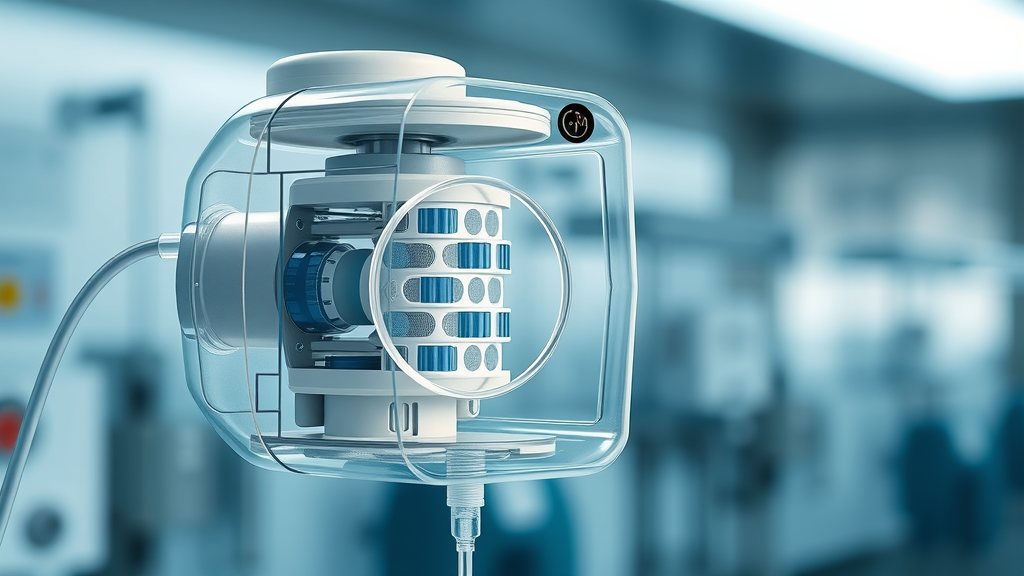
Curvilinear peristaltic design in ambulatory infusion pump cutaway, medical tech close-up

Integrating curvilinear peristaltic design into ambulatory infusion pumps also simplifies logistics. For patients moving between home and clinic, or those managing long-term therapy, every aspect of safe, user-friendly operation matters. The advanced design not only achieves better accuracy but does so via intuitive technology, minimizing the margin for user error and making high-level care more accessible beyond hospital walls.

Why Small Increments Make a Big Difference in Home Infusion Therapy

In infusion therapy, subtle variances in how medication is delivered can cause significant differences in patient outcomes. With the patented curvilinear system delivering smaller, more precise increments, pumps utilizing this design outperform their linear counterparts, especially when treating chronic conditions or administering potent medications that require the tightest margin of error. The higher resolution of dosing and the predictability of flow awarded by curvilinear designs empower both caregivers and patients to trust not just the device, but the entire care process.

Another benefit is enhanced adaptability. Home infusion often means tailoring regimens to individual patient needs—a task complicated by variability in pump performance. Curvilinear peristaltic technology’s capacity for consistent and reliable measurement ensures these adjustments are safe and effective, lowering the risk of unintended interruptions or therapy failures. In short, for those needing ambulatory infusion, this technological leap delivers concrete improvements in comfort, safety, and long-term treatment success.

Clinician sets ambulatory infusion pump with curvilinear peristaltic design, hospital

Safety at Every Step: Built-In Protections for Patients and Providers

One crucial advancement accompanying the rise of curvilinear peristaltic systems is the focus on comprehensive safety. Infusion sets designed to work with these pumps—such as those provided for the CURLIN line—are not only crafted from non-DEHP, non-latex materials, but also incorporate built-in free-flow protection. This means that even if a user makes an error in setup or operation, the risk of sudden, uncontrolled medication flow is minimized. Such features elevate these pumps, making them a preferred option in environments where both clinical oversight and patient self-administration occur.

When layered atop robust protocol management tools, like advanced safety libraries, these engineering features provide a double layer of protection—addressing both mechanical and procedural risks. This meticulous approach to safety, embedded within the design philosophy, separates curvilinear peristaltic infusion systems from less sophisticated alternatives, fostering greater assurance for all stakeholders in the infusion process.

The Evolution of Infusion Therapy: From Linear to Curvilinear Precision

Device innovation in infusion therapy has long been driven by the quest for increments—smaller, more controlled, more reliable. The evolution from linear to curvilinear peristaltic designs marks a pivotal moment in that journey, where the focus shifted from simply moving medication to optimizing how precisely and safely solutions are delivered. This leap came at a time when home therapies are on the rise and complexity in regimens is the new norm, making the accuracy and security of each pump cycle more critical than ever before.

Medicine flows through curvilinear peristaltic design tubing, precise medical concept

Understanding the history behind such design choices highlights their necessity—not as shiny new add-ons, but as critical reinventions that solve persistent real-world problems. Focusing on how curvilinear approaches address dosing accuracy, device longevity, and patient safety helps healthcare decisionmakers appreciate the true value these pumps bring to modern care.

Curlin Medical’s Philosophy: Engineering for Excellence in Every Drop

Curlin Medical’s approach is distinguished by more than patented mechanisms; it is underpinned by a philosophy rooted in advancing the very delivery of infusion therapy. Boasting over 20 years of experience in designing top-tier infusion pumps, their commitment to precision and patient-centered innovation is evident. Their design strategy doesn’t stop at technical excellence—it’s closely informed by collaborative relationships with customers and clinicians, ensuring real-world needs shape technical evolution.

Support for both caregivers and patients extends well beyond the hardware. Comprehensive clinical and technical assistance is a pillar of their service, offering everything from live-stream education to self-paced learning and 24/7 support. This approach ensures that cutting-edge infusion technology is accessible, understandable, and consistently safe—demonstrating thought leadership rooted in responsibility and progress.

By aligning their mission with enhanced outcomes, improved comfort, and operational efficiency, Curlin Medical exemplifies the convergence of engineering excellence and practical care. Their ongoing infusion expertise, collaborative development, and holistic support highlight the broader implications of curvilinear peristaltic design on infusion therapy’s future.

Patient with ambulatory pump featuring curvilinear peristaltic design in home care

Patient Success Stories: Trust Earned, One Infusion at a Time

When considering any new technology—especially in a healthcare context—real-world testimonials often speak louder than even the deepest technical reviews. For families and clinicians managing complex therapies, the ultimate validation comes from lived experience and observed outcomes. Here’s an authentic perspective from a user that helps illustrate the value of advanced ambulatory infusion pump design:

Personal reflections like these reinforce the meaningful advantages delivered by precision-engineered pumps. Success for one patient often signals potential for many, illustrating that safe, effective infusion is not just theory—it’s practice evidenced by those whose lives are improved. By seeking out advanced solutions, users can anticipate similar confidence and comfort in their infusion therapy journey.

Precision with Purpose: Curvilinear Peristaltic Design as the Future Standard

Making informed choices about infusion technology means considering more than just brand names—it requires a hard look at the mechanics, philosophy, and track record behind every pump. Curvilinear peristaltic design stands out for its precision and reliability, providing benefits that ripple from safer delivery to more flexible care at home. The contribution of experienced leaders like Curlin Medical ensures these advances are not only accessible, but also continually improved upon in response to evolving clinical needs.

As the field of infusion therapy continues to evolve, expect curvilinear peristaltic design to become not just an option, but a requirement—for better accuracy, safety, and patient experience. Its impact is undeniable, shaping a future where both clinicians and patients can operate with greater confidence, supported by technology that truly advances the standard of care.

Contact the Experts at Curlin Medical

If you’d like to learn more about how curvilinear peristaltic design could benefit your infusion therapy or practice, contact the team at Curlin Medical. 📍 Address: 15662 Commerce Ln, Huntington Beach, CA 92649 📞 Phone: +1 714-893-2200 🌐 Website: https://www.moog.com/markets/medical-devices/infusion-therapy.html

Curlin Medical Location and Availability

🕒 Hours of Operation:📅 Monday: 10:00 AM – 5:00 PM📅 Tuesday: 10:00 AM – 5:00 PM📅 Wednesday: 10:00 AM – 5:00 PM📅 Thursday: 10:00 AM – 5:00 PM📅 Friday: 10:00 AM – 4:30 PM📅 Saturday: ❌ Closed📅 Sunday: ❌ Closed

Location Map
Health Products

Write A Comment

*
*
Related Posts All Posts
12.01.2025

Discover the Hidden Power of Vegan Omega 3 Supplements

Can vegan omega 3 supplements truly unlock benefits often missed in traditional diets? Explore how these plant-based alternatives not only support heart and brain health but also align with ethical and environmental values. Ready to discover a powerful, sustainable way to boost your wellness? This guide reveals the science, benefits, and practical considerations—showing why vegan omega 3 supplements are changing the way people think about essential fatty acids for total wellbeing.Unleashing the Potential of Vegan Omega 3 SupplementsCan vegan omega 3 supplements truly unlock benefits often missed in traditional diets? Explore the ethical, environmental, and scientific benefits behind these plant-based fatty acid sources.Vegan omega 3 supplements are not just an alternative; they represent a shift toward conscious, holistic health. With more people questioning the sustainability of traditional fish oil and seeking ways to meet health goals on a vegan diet, vegan omega 3 options are making waves. Unlike fish oil, which depends on marine ecosystems, vegan omega supplements—often derived from pure algae omega—offer a renewable, plant-based fatty acid source aligned with ethical consumption and environmental stewardship. The surge in demand also points to growing awareness about the scientific benefits of these supplements, including their impact on heart health, brain health, and inflammation.Many consumers are discovering that switching to vegan omega 3 can provide comparable, if not superior, benefits compared to fish oil. As research shows, the right combination of EPA and DHA from algae omega supports cardiovascular health and cognitive function. Plus, choosing vegan options reduces exposure to ocean contaminants and helps preserve marine life. If you're seeking a supplement that supports your wellness—without comprising your values or the planet—vegan omega 3 supplements deserve a closer look."Switching to vegan omega 3 supplements was a game-changer for my heart and mind—without compromise."What You’ll Learn About Vegan Omega 3 SupplementsThe unique features and benefits of vegan omega 3 supplementsDifferences between algae omega, fatty acids, and traditional fish oil sourcesHow DHA and EPA support brain health and overall wellnessEthical and environmental impacts of choosing vegan omega 3 alternativesThis article will guide you through all you need to know about vegan omega 3 supplements, breaking down the science and real-life value behind these essential fatty acids. By the end, you'll understand why more health-conscious consumers are choosing algae omega over fish oil for both themselves and the future of the planet.For those interested in practical recommendations and a deeper dive into the best options available, you might find it helpful to explore a curated list of top vegan omega 3 supplements for health and productivity. This resource highlights leading brands, key features, and tips for choosing the right supplement to fit your lifestyle.Understanding Vegan Omega 3 Supplements and Fatty AcidsWhat Are Vegan Omega 3 Supplements?Vegan omega 3 supplements are plant-based dietary products formulated to provide essential omega-3 fatty acids—primarily EPA (eicosapentaenoic acid) and DHA (docosahexaenoic acid)—without using fish or animal by-products. Instead, these supplements rely on algae omega, algal oil, chia seed oil, and other vegan-friendly sources. The most potent and direct source is algae, as it is the origin of EPA and DHA found in fish oils. By skipping the middleman (fish), vegan omega 3 ensures a pure, sustainable, and ethical form of these vital fatty acids for the vegan diet and anyone looking to minimize their environmental impact.Many health organizations recognize omega 3 fatty acids as "essential" because the body cannot produce them efficiently on its own. Traditional sources—like salmon or other fatty fish—are not an option for those on a vegan diet or with fish allergies. Vegan omega supplements, especially those using algae omega, fill this critical nutrition gap. They are often offered in softgel capsules or liquid forms, making daily dha intake and epa intake simple, convenient, and free from common contaminants found in marine sources such as mercury or dioxins.Fatty Acids in Vegan Omega 3 Supplements: A Brief OverviewThe term "omega 3 fatty acids" encompasses a family of nutrients crucial for cell membrane function, inflammatory response, and metabolic health. The most biologically active forms—EPA and DHA—are found in abundance in algal oil and are known for supporting heart health and brain health. Some plant-based sources (like chia seeds, walnuts, and flaxseed oil) provide alpha-linolenic acid (ALA), which the body can convert into EPA and DHA. However, this conversion is typically inefficient, making direct supplementation from algae oil the gold standard for effective vegan omega 3 intake.For people adhering to a vegan diet, algae omega provides a reliable, consistent source of essential fatty acids that support cognitive performance and reduce the risk of heart disease. In fact, many supplements clearly label their mg DHA and mg EPA content to ensure users can tailor their regimes for optimal brain health and total wellness. This direct access to vital fatty acid forms without relying on animal-derived sources is why vegan omega 3 supplements are gaining popularity for those wanting performance, purity, and peace of mind.Comparing Algae Omega and Fish Oil: Sourcing Vegan Omega 3Understanding the difference between algae omega and traditional fish oil is the key to choosing the most effective omega 3 supplement. Fish oil is derived from oily fish, which accumulate EPA and DHA by consuming microalgae in the ocean. In contrast, vegan omega 3 supplements source their essential fatty acids directly from cultivated, food-grade algae—making them the original, purest form. This direct-from-algae approach not only bypasses concerns about ocean contaminants but also improves sustainability by avoiding overfishing and supporting marine biodiversity.Vegan omega 3 supplements provide consistent mg of DHA and mg of EPA per serving, comparable to premium fish oil products. Since algae can be farmed in controlled environments, these supplements are less likely to be tainted by heavy metals or pollutants found in some marine oils. The sourcing advantage makes vegan omega 3 a clear favorite among those seeking a combination of performance and sustainability, reinforcing their position as a top choice for conscious consumers.Key Ingredients: DHA and EPA in Vegan Omega 3 SupplementsHow EPA and DHA from Algae Omega Benefit Brain HealthThe two most critical ingredients in any omega 3 supplement are DHA and EPA. These essential fatty acids directly influence various aspects of mental and physical health. DHA is a primary structural component of brain tissue and retinas, essential for brain health, cognitive function, and even eye health. EPA plays a crucial role in regulating inflammation, supporting mood, and protecting the cardiovascular system. Effective vegan omega 3 supplements—especially those using algae omega—provide optimal ratios of EPA and DHA for noticeable improvements in memory, mood stability, and mental focus.Research shows that sufficient dha and epa intake is associated with better outcomes in learning, mood management, and even a lower risk of cognitive decline in older adults. The pure algal source in vegan omega 3 guarantees that each dose delivers a potent mg of DHA and mg of EPA, free from fish-derived impurities. If boosting your brain health is important, vegan omega 3 from algae positions you to achieve those goals while maintaining your ethical and dietary standards.Why Algae Omega is the Preferred Vegan Omega SourceAlgal oil (algae omega) is considered the gold standard for vegan omega 3 supplementation because it offers direct, bioavailable sources of DHA and EPA—just like fish oil, but without the ethical concerns or environmental footprint. Unlike plant-based sources like chia seed or flax, which primarily offer ALA, algae omega delivers the active forms already used by the body. Algae can be cultivated under controlled, sustainable conditions, ensuring the purity and potency of the essential fatty acids while minimizing ecological disruption.By selecting an algae-based vegan omega 3, you benefit from predictable mg of DHA and mg of EPA with every capsule, opening the door for optimized physical and mental well-being. The cultivated algae omega also removes the risk of ocean-borne contaminants and is ideal for those with allergies or sensitivities to seafood. For these reasons, algae omega stands out as the preferred source for anyone comparing efficacy, ethics, and environmental stewardship.Comparison Table: Vegan Omega 3 vs Fish OilFeatureVegan Omega 3 (Algae)Fish OilSourceFood-grade cultivated algae omega, algal oilOily fish (salmon, mackerel, sardines)SustainabilityHighly sustainable, low ecological impactContributes to overfishing, marine ecosystem disruptionEPA/DHA Content750 mg DHA, 450 mg EPA (per serving typical)*Varies by fish species; typically 300-1200 mg DHA/EPAEnvironmental ImpactLow, renewable resourceHigh, associated with pollution & depletionAllergen RiskNone (fish-free, shellfish-free)Fish/shellfish allergy riskContaminant RiskMinimal (lab-grown algae)Possible heavy metals, mercuryHealth Benefits of Vegan Omega 3 SupplementsVegan Omega 3 Supplements for Heart HealthCardiovascular wellness remains one of the most recognized benefits of proper omega 3 intake. Vegan omega 3 supplements, providing both EPA and DHA from algae, have been shown to support healthy heart rhythms, lower triglyceride levels, and maintain cholesterol balance. For those at risk of heart disease or seeking prevention, these fatty acids help reduce blood pressure and inflammation—factors known to impact overall cardiovascular function. The American Heart Association recommends regular dha and epa consumption, and vegan options are proven just as effective as traditional options for these purposes.Clinical research also highlights that daily supplementation with the right mg of DHA and mg of EPA reduces the risk of cardiovascular events. For individuals following a vegan diet, or anyone wanting to improve their heart health while minimizing their environmental footprint, vegan omega 3 is a compelling choice. Plus, algal oil means no fishy aftertaste and zero exposure to ocean contaminants, allowing even those with sensitivities to optimize their cardiovascular wellness with confidence.Boosting Brain Health with DHA and EPAThese benefits are not just short-term. Research has linked long-term use of vegan omega 3 to a lower risk of age-related cognitive decline and may even support protection against neurological conditions. The algal oil found in quality vegan omega supplements provides the bioactive forms of these omega 3s, ensuring maximum absorption and benefit to your mental and emotional wellness—without compromise.Managing Inflammation with Plant-Based Fatty AcidsOne of the lesser-known powers of vegan omega 3 supplements is their ability to help manage systemic inflammation—a core factor behind many chronic conditions, including joint issues and heart disease. EPA from algae omega is particularly influential in moderating inflammatory processes, which can reduce discomfort and support more robust immune defense. Regular supplementation offers anti-inflammatory benefits that are comparable to those of traditional fish oil, according to scientific reviews.Supports cognitive functionAids heart rhythm and cholesterolEthical plant-based sourcingLower environmental footprintFor those seeking a holistic approach to health, the anti-inflammatory properties of vegan omega 3, paired with its ethical sourcing, make it a standout choice in daily supplementation. This is especially important for vegans and vegetarians, who often face limited options for direct EPA and DHA intake without animal ingredients.How vegan omega 3 supplements are made from algae omega (visuals of sustainable harvesting)Vegan Omega 3 Supplements vs. Traditional Fish OilFish Oil vs. Vegan Omega: Absorption and PurityAbsorption and purity are two critical factors when comparing fish oil and vegan omega 3 supplements. Both deliver essential omega 3 fatty acids, but vegan omega from algae oil stands apart for its purity. Cultivated in controlled environments, algae oil is free from ocean pollutants commonly found in marine fish oil, including mercury, PCBs, and other toxins. This advantage is vital for those concerned about food safety, allergies, or sensitive populations such as pregnant women or children.On the absorption front, studies have found that the bioavailability of DHA and EPA from algae oil is comparable to—if not better than—some fish oil variants. This means choosing vegan omega does not compromise on efficacy; you get a clean, potent dose of brain- and heart-supporting fatty acids with each serving. The absence of fishy taste or aftertaste is another plus, especially for sensitive stomachs or picky eaters.Fatty Acids and Nutrient Profile DifferencesOne concern often raised is whether vegan omega 3 supplements can match the nutrient profile of traditional fish oil. The answer is yes—high-quality vegan supplements, particularly those using algae omega, are specifically designed to mimic or surpass fish oil in their concentrations of EPA and DHA. You can check product details for the exact mg of DHA and mg of EPA, often matching or exceeding standard marine-based products.However, not all plant-based omega 3s are the same. Only algae-derived products provide preformed EPA and DHA, while flaxseed, chia seed, and walnut oils primarily contain ALA. The direct supply of active fatty acids from algae omega ensures that vegan omega 3 delivers full nutritional value for anyone seeking cognitive support, heart health, and reduced risk of heart disease without depending on fish oil.The Role of Free Shipping and Online Buying in Product ChoiceWith the booming popularity of vegan omega 3, most leading brands now sell their supplements online—often with free shipping or “free ship” promotions. The convenience of home delivery, combined with detailed product information, allows consumers to compare mg of DHA, mg of EPA, algae sourcing, and certifications for quality or sustainability. Many shoppers specifically search for “free ship” options to save on recurring purchases, making high-quality vegan omega products both accessible and cost-effective.For those committed to a vegan diet or simply wanting to make a sustainable consumption choice, buying online ensures access to the latest third-party tested, certified vegan omega 3 supplements. Look for brands that clearly disclose their fatty acid profile and highlight their commitment to sustainability and ethical practices.Feature Comparison: Vegan Omega 3 vs. Fish Oil vs. Flaxseed OilFeatureVegan Omega 3 (Algae Oil)Fish OilFlaxseed OilDirect EPA/DHA SourceYesYesNo (ALA only)SustainabilityHigh (algae farming)Low to medium (fish stocks)High (crop-based)Common AllergensNoneFish/shellfishRareContaminant RiskMinimalMedium (pollutants)MinimalForm of Omega 3DHA/EPADHA/EPAALASuitable for Vegan DietYesNoYesWho Should Consider Vegan Omega 3 Supplements?Benefits for Vegetarians, Vegans, and Those with Fish AllergiesVegan omega 3 supplements are ideal for anyone following a vegan or vegetarian lifestyle, as well as those with seafood allergies or environmental concerns. These supplements deliver all the essential fatty acid benefits without compromising on dietary principles or risking allergic reactions. Algae omega ensures optimal mg of DHA and mg of EPA for cognitive and cardiovascular health—making it the go-to choice for those wanting to follow an entirely plant-based or allergen-free nutritional plan.Additionally, vegan omega 3 is a preferred supplement for expectant mothers, children, seniors, and anyone with compromised digestion, as its purity and bioavailability often outshine fish oil alternatives. Flexitarians, environmentally conscious shoppers, and individuals with a focus on heart health can all benefit from this ethical, effective, and innovative form of essential fat supplementation.Sustainability-Minded ShoppersSustainability is at the core of vegan omega 3's appeal. Choosing algae omega over fish oil means supporting a supplement that’s produced using fewer natural resources, less environmental disruption, and with a dramatically lower carbon and ecological footprint. For those who prioritize environmental stewardship, vegan omega 3 delivers on the promise of planet-friendly nutrition—without sacrifice."With vegan omega 3, you're making a choice that's good for you and the planet."Sustainability-minded consumers should look for certifications and transparent sourcing, ensuring that the vegan omega 3 supplement they choose contributes to a future where nutrition meets responsibility.How to Choose the Best Vegan Omega 3 SupplementKey Features to Look for (DHA/EPA ratio, purity, certifications, algae source)When shopping for the best vegan omega 3, start by examining the mg of DHA and mg of EPA per serving. Premium products provide clear, balanced ratios—often around 300–900 mg of combined EPA and DHA per dose. Next, look for product purity: check for third-party lab testing, non-GMO certification, and absence of fillers or artificial colors. The sourcing of the algae—ideally grown in clean, controlled facilities—is another sign of quality. Other vital markers include certifications for vegan, organic, or sustainable practices, giving you peace of mind about both your health and the supplement’s production impact.Investing a few minutes to review these features ensures that your chosen vegan omega 3 supports not only your wellbeing but also aligns with ethical and environmental values. Consumer reviews and expert recommendations can further help narrow the field to supplements with the best track record for efficacy, taste, and digestibility.Top Vegan Omega 3 Brand Reviews and Free Ship OptionsSeveral leading brands now offer high-quality vegan omega 3 supplements with generous free shipping options to attract online shoppers. When evaluating your options, seek out brands with transparent lab results, high purity algae oil, and sustainable certifications. Look for clear information on mg of DHA, mg of EPA, and any added ingredients (like antioxidants for stability). Check shipping policies for "free ship" offers—these can save substantial costs, especially for families or those committing to long-term use.Check for non-GMO, allergen-free, and vegan certifications.Review mg of DHA and mg of EPA amounts per serving.Ensure algae is sustainably cultivated and traceable.Read user reviews for palatability and digestibility.Consider brands with clear return/free shipping policies.People Also Ask About Vegan Omega 3 SupplementsWhat is the best omega-3 supplement for vegans?Explore leading options like algae omega capsules for superior DHA and EPA content.The best omega-3 supplement for vegans is one that provides a direct source of EPA and DHA, such as high-quality algae omega capsules. Look for brands that offer transparency in sourcing, proper certification, and clinically backed mg of DHA/mg of EPA per serving for optimum effectiveness.Are vegan omega-3 supplements effective?Recent studies confirm that vegan omega 3 supplements, especially those sourced from algae omega, offer comparable long-term health benefits to fish oil.Yes, vegan omega-3 supplements are effective. Studies show that algae omega can deliver EPA and DHA in amounts that match or exceed traditional fish oil, with high absorption and health outcomes for brain health, heart health, and reduced inflammation—making them a robust, sustainable alternative.Can omega-3 supplements be vegan?Yes, vegan omega 3 supplements utilize algae omega and other plant sources to deliver essential fatty acids without animal by-products.Absolutely. Vegan omega 3 supplements are formulated using algae omega and other plant-based ingredients. They contain no animal-derived inputs and offer a potent, ethical option for those avoiding animal products or concerned about marine sustainability.What happens to your body when you start taking omega-3?People commonly report improved mood, sharper cognition, better heart rhythms, and reduced inflammation after starting vegan omega 3 supplements.When you begin taking omega-3 supplements—especially vegan omega 3 with EPA and DHA—you may notice benefits like improved mood, better cognitive performance, smoother heart rhythms, and a reduction in inflammatory symptoms. Over time, these changes support overall health and contribute to lower risk of heart disease and cognitive decline.Key Takeaways on Vegan Omega 3 SupplementsVegan omega 3 supplements are a reliable, sustainable source of DHA and EPAAlgae omega provides a pure, potent alternative to fish oilSupports heart, brain health, and ethical valuesFrequently Asked Questions About Vegan Omega 3 SupplementsHow much DHA/EPA should I take daily?Are vegan omega 3 supplements safe during pregnancy?Do vegan omega 3 capsules have a taste or odor?Where to buy vegan omega 3 with free shipping?Animated guide: How vegan omega 3 supplements integrate into daily routines for optimal wellbeingReady to Experience the Benefits of Vegan Omega 3 Supplements?Start your wellness journey—compare top-rated vegan omega 3 supplements today and feel the difference in heart, brain, and planet health!Actionable Takeaway: Choose a high-quality vegan omega 3 supplement with algae omega for optimal DHA and EPA—your heart, mind, and the planet will thank you!If you’re inspired to take your wellness journey even further, consider how omega-3 supplementation fits into a broader strategy for long-term health and vitality. Exploring the best longevity supplements for vibrant aging can help you build a comprehensive routine that supports not just your heart and brain, but your overall resilience and energy as you age. By integrating vegan omega 3 with other science-backed nutrients, you can unlock new levels of wellbeing and set the foundation for a healthier, more vibrant future. Discover how a holistic approach to supplementation can empower you to thrive at every stage of life. Here's a side-by-side comparison of 10 well-regarded vegan (algae-derived) omega-3 supplements, with key specs like EPA/DHA content, extras, and differentiators.#ProductSource & FormEPA + DHA per Serving*Highlights / Notes1Vegetology Vegan Omega-3Microalgae oil~300 mg EPA + ~500 mg DHA (≈835 mg total) VegetologyHigh-strength; includes DPA (~35 mg); good for vegans seeking robust dose.2Nordic Naturals Algae OmegaMicroalgae oil715 mg total omega-3s (EPA + DHA) Nordic NaturalsClean brand, non-GMO, vegetarian certified; strong dose.3Future Kind Vegan Omega-3Algae oil“Packed with EPA & DHA” (no exact split listed) Future KindCarrageenan-free; tiny softgels; good for simplicity.4Performance Lab Omega-3Algae oil (life’s®OMEGA)900 mg EPA + DHA combined (per serving) Performance Lab®High-potency; designed for performance/fitness; vegan softgels.5Source Naturals Vegan True® Non-Fish Omega-3sAlgal oil180 mg EPA + 360 mg DHA = 540 mg total Source Naturals+1Mid-range dose; contains soy (important allergen note).6MAV Nutrition Algae Oil Omega-3Algal oil300 mg DHA + 150 mg EPA (450 mg total) in one softgel example AmazonLower dose; small business brand; carrageenan-free.7Barlean’s Seriously Delicious Pink Lemonade Algae OilAlgae oil420 mg DHA + 210 mg EPA = 630 mg total (per 1 Tbsp) Barlean's Organic Oils, LLCLiquid format, flavored; may be used in smoothies or direct.8Barlean’s Vegan Total Omega Pomegranate/BlueberryFlax + borage + algae oils (mixed ALA + DHA)~130 mg plant-based DHA + ALA (1,530 mg) Barlean's Organic Oils, LLCMixed source (not purely EPA/DHA from algae) — consider difference.9Spectrum Essentials Vegan Ultra Omega-3 EPA+DHA SoftgelsMarine algae165 mg EPA + 330 mg DHA = 495 mg total spectrumorganics.comLower dose; includes vegan Vitamin D2; good as moderate option.10DEVA Vegetarian/Vegan Omega-3 DHA-EPA 500 mgAlgal oil~500 mg combined (per product listing) Simple and Practical Mental HealthSimpler formula; one of the smaller-scale vegan brands often cited in dietician lists.Learn More

11.17.2025

How to Solve Stair Lift Issues Without Costly Repairs

Did you know the average stair lift repair can soar to 40% of the original lift cost? Many homeowners are shocked to discover that, but most stair lift problems are completely avoidable with the right know-how. Whether you rely on a straight stair lift or a curved stair lift, learning how to identify and fix common issues will protect your investment, provide peace of mind, and help you stay in the home you love without breaking the bank. Shocking Statistics: Why Stair Lift Repairs Break the Bank The world of stair lifts is filled with impressive innovation, yet owners often find themselves facing sky-high repair bills. In fact, stair lift repair costs frequently become a major worry, especially when lift costs and unexpected maintenance fees add up. A partial service for a curved stair lift can range from $400–$1,200, while routine repairs for a straight stair lift average between $200–$600. These figures exclude annual stair lift maintenance, which typically ranges from $100 to $400 depending on your model and usage. What’s more surprising is how few of these repairs are truly inevitable. Industry data reveals that a major portion of stair lift malfunctions stem from simple, preventable issues—such as dirty tracks, loose wiring, or battery neglect. Despite the perceived complexity, many owners can handle these routine tasks, saving hundreds or even thousands compared to professional intervention. With this understanding, avoiding excessive lift costs becomes a realistic goal for every stair lift owner. Understanding the True Lift Cost: Debunking Common Myths Many people wrongly assume that all stair lifts need constant, costly repairs or that a major issue means full replacement is inevitable. The reality is that stair lift costs mostly come from neglect or misunderstanding how the system works. As a result, preventive care and simple troubleshooting can resolve most concerns before they become expensive headaches. Before calling for a lift expert, try basic checks—often, a power reset or track cleaning can restore your stair lift’s performance. "The average stair lift repair can cost up to 40% of the original lift cost—most problems are avoidable." What You'll Learn in this Guide to Stair Lift Solutions Maintaining your stair chair and minimizing repair expenses doesn’t require professional training—it just requires the right knowledge. In this practical guide, you will learn how to: Identify common stair lift issues before they become major problems Follow DIY troubleshooting steps for both straight stair lift and curved stair lift models Understand the factors behind stair lift costs, replacement parts, and alternatives Extend the lifespan of your stair lift chair while keeping lift costs low Breaking Down Stair Lift Costs: Key Factors Owners Should Know Understanding lift costs upfront is key to smart stair lift ownership. Whether you’re comparing new, used, or reconditioned stair lifts, it’s essential to know what influences the cost of a stair lift long-term. Factors like model type, frequency of use, maintenance habits, and whether you choose a straight or curved rail system all play a role. Let’s break down these expenses and see how you can get more value for your money. The initial purchase price is just part of the story. Ongoing lift costs—which include annual maintenance and repairs—can add up, especially if your lift isn't regularly serviced. While curved stair lifts tend to demand higher investment due to their custom curved rails and complex design, straight stair lifts are more affordable to install and service. Weighing these costs against your long-term needs ensures your stair lift remains reliable without overextending your budget. Comparison of Stair Lift Costs: New vs. Used vs. Repair Type Typical Lift Cost Annual Maintenance Repair Expenses Straight Stair Lift $2,500–$5,000 $150–$300 $200–$600 Curved Stair Lift $9,000–$15,000 $200–$400 $400–$1,200 Reconditioned Lift $1,500–$3,000 $100–$200 $150–$500 Stair Lift Costs: What Influences Them the Most? Model type (straight stair lift vs. curved stair lift) makes a big difference in lift costs Customization—especially for curved stair lifts with complex rails—increases overall expense Frequency of use and quality of regular maintenance directly impact long-term costs and performance Many manufacturers allow you to customize your stair chair with optional features, but these can significantly affect the final lift cost. Remember, a well-maintained machine can last years longer, so staying disciplined with upkeep pays off. Cost of a Stair Lift vs. Repair: Is It Worth Replacing? When your stair lift needs a costly repair, it’s smart to weigh the options: Should you invest in a new system or repair the existing unit? The cost of a stair lift replacement—especially for curved stair lifts or a stair chair with custom options—is high, but repairs add up quickly if issues are recurring. For many, choosing reconditioned stair lifts or refurbished options offers a practical middle ground between performance and budget. Consider how old your unit is, its service history, and whether the top and bottom landings in your home require special setup. A lift expert can help you compare all options before making a decision. Don’t be afraid to seek quotes from multiple providers; sometimes a lower price for professional installation or a reconditioned stair lift yields lasting value with full or partial warranties. Common Stair Lift Issues and How to Fix Them Yourself Taking control of minor stair lift problems not only saves money but also keeps you independent and secure. The most common stair lift malfunctions revolve around power supply issues, track blockages, and minor parts failures—problems that can often be resolved with basic tools and careful troubleshooting. Before you schedule costly repairs, try these fixes first, and you may find you don’t need a professional at all. If your stair chair stops mid-way, check the battery health and confirm the charger is properly connected. For sudden jerks or noise on the rail system, cleaning the track and checking for obstructions can restore smooth travel. Always follow your manufacturer’s safety guidelines, and if you’re ever unsure, call a reputable lift expert for advice. Diagnosing Power Supply and Battery Issues in Stair Lifts Many stair lifts rely on rechargeable batteries as a primary power source. Over time, batteries can degrade, especially if regular charging routines are missed. If your stair lift stops suddenly, moves sluggishly, or fails to charge at the top and bottom of the rail, start by inspecting the charging station and battery connection points. Dust, corrosion, or a simple dislodgement can all interrupt power flow. Use a dry cloth to clean battery contacts and ensure your charger’s LED indicator (if present) is illuminated. Batteries typically last 1–3 years; replacement is straightforward and prevents unnecessary lift costs. Some straight stair chairs plug directly into wall power as a backup. If you suspect an electrical issue, try plugging another device into the same outlet to confirm there’s power. For persistent problems, an affordable battery replacement or professional electrician consultation may solve the issue—and save you from premature replacement. Troubleshooting Obstruction and Track Problems: Curved Stair vs. Straight Stair Lift Both curved and straight stair lifts can develop track issues, especially if the rail system is exposed to dust, spills, or everyday household debris. A stuck lift or strange sounds often point to physical obstructions. Start by clearing the track and wiping it down with a microfiber cloth. For curved rail systems (common on custom curved stair lifts), pay special attention to tight corners or joints where small objects might get trapped. Straight stair lift models usually have a simpler rail design, but even minor misalignments can disrupt performance. Run your hand gently along the rail to detect nicks, bends, or accumulations of dirt. Tighten loose fastenings and ensure the rail is securely mounted. Most minor rail issues can be resolved without a service call, but if you notice grinding noises or inconsistent motion, contact a stair lift expert for a thorough inspection. Understanding Lift Costs When Parts Need Replacement Broken remotes—often fixed with simple battery swaps or re-pairing steps Malfunctioning seat swivels—check for obvious jams or lubricate joints (consult your stair lift manual first) Safety sensor errors—usually cleaned or realigned without replacement Rail alignment issues—tighten bolts and check that all track joiners are flush and even Replacement parts are typically affordable for most stair lift models. The real lift cost comes from labor charges if you rely on outside help for basic repairs. Always verify if your lift parts are under warranty, and inquire about compatible reconditioned or universal spares for a lower price. With some patience, many problems can be resolved by following manufacturer documentation or online guides. "Routine cleaning and regular checks resolve over 60% of stair lift malfunctions without professional intervention." Essential Maintenance for Stair Lifts: Preventing Costly Repairs A proactive maintenance routine is the most effective way to keep your stair lift costs in check and extend your lift’s lifespan. Set a monthly reminder to clean, lubricate, and inspect your stair lift. These practical steps can prevent most major breakdowns and are fully manageable for homeowners at any skill level. Not only does consistent care keep your lift running smoothly, but it also maintains safety and delivers the peace of mind you deserve. Cleaning tracks and controls—remove dust, pet hair, or debris from the rail system weekly Lubricate moving parts as instructed with the proper lubricant every few months Check battery health and replace as needed, following manufacturer intervals Test all safety features (e.g., stop sensors, seat locks) every month to ensure full functionality Straight Stair Lifts vs. Curved Stair Lifts: Maintenance Differences While the basics of cleaning and battery care apply to both straight stair lifts and curved stair lifts, there are notable maintenance differences between the two. Curved stair lifts, which use complex custom rail systems, require extra attention at bends and joints where debris can easily gather and sensors may need recalibration. Track lubrication for curved rails should follow the manufacturer’s recommendations, and you may need to visually inspect more frequently for physical damage or misalignment due to their unique path. Straight stair lifts, with their simpler, linear rail design, tend to be easier and faster to clean and maintain. Less frequent wear on motor and drive components means service intervals can be longer if regular cleaning is kept up. Still, both lift types benefit from periodic checks to ensure mounting brackets are secure and that the rail is free of any obstructions, ensuring safe, reliable use every time. When to Call for Professional Help—and How to Avoid High Lift Costs There are times when expert assistance is not only sensible, but essential—especially when safety is at stake. If your stair lift makes unusual sounds, stops suddenly without warnings, or displays persistent error codes, these may point to electrical or control issues that only a qualified stair lift technician should address. Always look for local providers with strong customer service reputations or manufacturer certification, especially for complex curved stair lifts. Watch for warning lights, grinding noises, or movement problems you can’t resolve Select only reputable, insured, and experienced stair lift technicians for major repairs Ask about warranty coverage, qualifications, replacement part costs, and get a detailed written estimate before approving work Sometimes, what seems like a major failure can be traced to simple issues—so be sure to troubleshoot first using your owner’s manual. Comparing Repair, Replacement, and Recertified Stair Lifts: Finding the Best Value When the time comes to address major stair lift problems, your options generally fall into three categories: repair the existing unit, purchase a brand-new system, or invest in a high-quality, reconditioned or recertified stair lift. Each avenue comes with its own cost-benefit considerations, and the right choice for you will depend on your budget, your lift’s age, and your home’s unique staircase layout. An expertly refurbished stair lift, professionally installed and certified, can bridge the gap between performance and affordability for most families. This path often comes with partial warranties and a lower price point, maximizing lift cost efficiency and value. Value Comparison: Repair vs. Buying New or Reconditioned Solution Upfront Lift Cost Longevity (Years) Warranty Repair $200–$1,200 1–2 Limited New Stair Lift $2,500–$15,000 7–10 Full Reconditioned Lift $1,500–$3,000 3–5 Partial "In many cases, a high-quality reconditioned stair lift offers the best balance between performance, safety, and lift cost savings." Real User Reviews: How Owners Solve Stair Lift Issues and Control Costs Success stories of DIY fixes—many homeowners restored full function with simple cleaning or battery swaps Positive experiences with reconditioned stair lifts—saving thousands while maintaining independence and safety How people avoided unnecessary replacement—choosing a lower price repair or recertified lift over buying new One homeowner shared: “After my stair lift stopped at the halfway point, I followed online troubleshooting steps and found a small obstruction in the rail. Removing it myself saved me from a $500 repair bill!” User experiences like these highlight the importance of knowing your lift and being proactive about care. Top Tips for Reducing Stair Lift Costs Without Sacrificing Quality Set a recurring monthly reminder for stair lift maintenance Clean your rail system regularly and swap batteries as needed Opt for professionally reconditioned lifts for better lift cost value Ask about trade-in discounts or local home modification grants before opting for new installations Another cost-saving strategy is to work only with reputable lift experts and get at least two estimates for repairs. If you’re handy, ask technicians to demonstrate basic fixes during routine maintenance, empowering you to handle minor issues yourself in the future. People Also Ask Does Medicare pay for a stair lift? Medicare generally does not cover the cost of a stair lift, but there are exceptions and supplementary options. Some Medicare Advantage plans or state-specific programs may offer limited coverage for home modification equipment, so it’s always wise to check your plan and consult with providers. What is the typical cost of a stair lift? The typical lift costs for a straight stair lift range from $2,500–$5,000, while curved stair lifts can range from $9,000–$15,000. Factors like optional features, professional installation, and your staircase’s complexity will influence lift costs. Who is entitled to a free stairlift for seniors? Eligibility varies, but seniors may qualify for assistance through grants, charitable programs, or local government initiatives for stair lifts. Programs often have income, disability, or home ownership requirements, and availability differs by region. How do I get a stair lift for free? Speak with local agencies on aging, nonprofit organizations, or apply for home modification grants to seek free stair lifts. Start by contacting your state’s Department of Aging or community disability resources for guidance and application support. Frequently Asked Questions: Stair Lift Problems, Costs, and Solutions How long do stair lifts last? Most modern stair lifts last 7–10 years or longer with proper maintenance. Lifespan depends on model type and frequency of use. What are common signs a stair lift needs repair? Unusual noises, jerky movement, error codes, or loss of power are signs your stair lift needs professional attention. Can all stair lift models be repaired affordably? Many issues are repairable at a reasonable cost, especially for popular straight stair lifts and common curved rail systems. Always request a quote. Are refurbished stair lifts safe? Yes, if acquired from reputable dealers who inspect, replace worn parts, and provide warranties, refurbished and reconditioned stair lifts are a safe and affordable option. Key Takeaways: Solving Stair Lift Issues While Managing Lift Costs Regular maintenance prevents costly repairs Understanding lift cost factors can save money DIY fixes can resolve many stair lift problems Professional help is sometimes essential, but compare all options Make Your Next Move: Request a Free Stair Lift Assessment Don’t let stair lift costs hold you back—contact a local stair lift expert for a free in-home assessment and discover the best, most affordable path to safe mobility today! Maintaining your stair lift is essential to ensure its longevity and reliable performance. Regular cleaning, particularly of the track and surrounding areas, prevents dust and debris from causing malfunctions. It’s advisable to use a dry cloth for the rail and avoid liquid cleaners to protect electrical components. (saltlakestairlifts.com) Additionally, keeping the stair lift plugged in when not in use helps maintain battery health, as unplugging can damage the battery pack. (mobility123.com) For a visual guide on addressing common stair lift problems, you might find the following video helpful: How to fix Common Stair Lift problems

10.11.2025

Unlock the Magic of Health Tech

Did you know? In 2023, over 75% of hospitals worldwide use some form of digital health platform—and that number is growing every day. Unlocking the magic of health tech isn’t just about gadgets and apps; it’s about transforming the way we experience health services, connect with care providers, and manage our well-being.In this guide, you’ll discover how health tech is reshaping healthcare technology, making it more personal, accessible, and effective for everyone.Discovering Health Tech: The Numbers That Will Surprise YouHealth tech is no longer a futuristic concept—it’s happening right now. According to the World Health Organization, the adoption of digital health solutions accelerated by over 60% during the pandemic. More than 6.8 billion electronic health records have been created globally, and one in four adults now wears a digital health device to monitor vital statistics or fitness data. In the U.S., over 80% of healthcare organizations have either adopted or are piloting telemedicine platforms.These numbers highlight how health technology is at the core of improving healthcare delivery and advancing human services. Tech companies, once focused solely on consumer electronics, now invest billions into healthcare tech innovations, making them central players in this technological revolution. The sheer volume of investments and rapid progress reveal a simple truth: health tech isn’t just improving health care—it’s redefining it for generations to come. A Paradigm Shift: Why Health Tech Matters in Today’s Healthcare Technology LandscapeThe shift toward health tech is more than just digital progress—it represents a paradigm change in healthcare technology. Where patient data was once locked in paper files and health records, today’s healthcare organizations harness digital health systems for better information accessibility and real-time decision-making.New healthcare tech enables personalized patient care, efficient resource allocation, and instant communication between care organizations. With ever-increasing demands on health services and greater expectations for patient experience, embracing these tools is not a luxury—but a necessity. The era of digital health is leveling the playing field, offering ways to improve health globally while ensuring no one is left behind.What You'll Learn About Health Tech and Healthcare TechnologyHow health tech is revolutionizing healthcare deliveryThe most important health tech innovations and their real-world impactHealthtech companies and the role of tech companies in medical progressCareer opportunities in digital health and healthcare technologyFuture prospects: Artificial intelligence, digital health, and beyondDefining Health Tech: Understanding the Basics of Healthcare TechnologyHealth tech is an umbrella term for a broad range of tools, platforms, and systems designed to improve health care delivery and outcomes. At its core, health technology includes everything from medical devices and electronic health record systems to wearable fitness trackers and advanced artificial intelligence diagnostics.Understanding the difference between health tech, health technology, and healthcare technology is essential. While all aim to improve health services, they focus on slightly different realms: health tech often refers to digital tools (like apps and telemedicine), health technology is a broader concept covering all technical innovations in medicine, and healthcare technology typically zeroes in on organizational solutions for care providers. These definitions, though subtle, are key to navigating this rapidly evolving landscape.TermDefinitionApplicationsKey DifferencesHealth TechDigital tools and platforms designed for patient care, data analysis, and wellness managementApps, wearables, telehealth, remote monitoringFocuses on digital and software-based solutionsHealth TechnologyAll technologies used to maintain and improve human healthMedical devices, diagnostic equipment, AI, medical imagingEncompasses all medical technologies—hardware and softwareHealthcare TechnologyInnovations and systems designed for healthcare organizations and providersElectronic health records, hospital management softwareOrganizational solutions and broader health industry contextThe Evolution of Health Tech: From Healthcare Tech to Cutting-Edge Digital HealthLooking back at the history of health technology, it’s remarkable to see how quickly we’ve advanced. Early healthcare tech focused mainly on hospital machines and medical devices to streamline tasks for care providers. As the digital revolution gained momentum, a fresh wave of digital health innovations emerged—paving the way for real-time patient monitoring, remote consultations, and virtual care experiences that were unheard of a decade ago.Now, with the widespread adoption of artificial intelligence and integrated healthcare technology systems, companies are pushing the limits of what’s possible. The evolution from paper records and basic information technology to fully digitized, patient-centric care signals a new era for healthcare organizations and top health providers alike.Milestones: Landmark Innovations in Health TechnologyIntroduction of Electronic Health RecordsRise of Wearable Health DevicesTelemedicine ExpansionArtificial Intelligence in HealthcareMajor breakthroughs from top health tech companiesEach of these milestones has contributed significantly to improving health services and transforming the care industry. The widespread adoption of electronic health records helped centralize patient data, while wearables allowed individuals to track their health in real time. Telemedicine brought healthcare services to people in remote areas, and artificial intelligence revolutionized diagnostics and treatment strategies. Major tech companies including both healthtech companies and traditional technology firms, have fueled these changes with significant investments and groundbreaking innovations. How Health Tech Is Transforming Healthcare Organizations and Human Services"The integration of health tech solutions has the potential to improve health outcomes on a global scale."Today, health tech is bridging the gap between human services and advanced medical systems. Healthcare providers and care organizations are deploying smart technologies that automate administrative processes, enhance coordination among care teams, and support more accurate, data-driven medical decisions. By streamlining communication and allowing for quicker access to vital information, these solutions are vastly improving the efficiency and quality of care for patients and providers alike.At the same time, digital health platforms empower individuals to take charge of their own health—whether through patient portals, mobile health apps, or wearable tracking devices. These tools give people real-time feedback, tailored advice, and a newfound sense of participation in their health journeys, signaling a new standard for healthcare technology worldwide.Key Benefits for Care Organizations: Enhanced Efficiency and Patient ExperienceAutomation of administrative tasksImproved diagnosis via healthcare technologyPersonalized treatment strategiesStreamlined communication channelsOne of the standout advantages of health tech for care organizations is the automation of repetitive administrative work. Innovative healthcare technology solutions speed up patient intake, manage appointments, and handle billing, freeing up valuable time for clinical care. Artificial intelligence and robust health information systems help care providers pinpoint health issues faster and more accurately, leading to earlier interventions and better patient outcomes. Personalization is another game-changer—data-driven insights allow for individualized treatment plans and more meaningful patient engagement. Lastly, real-time communication tools ensure that patients, families, and healthcare teams are always connected, further boosting satisfaction and results.Top Health Tech Innovations Impacting Healthcare Tech TodayThe impact of digital health innovations is visible across every facet of the healthcare industry. Today’s top health solutions—powered by technology assessment, AI, and continuous device development—help healthcare providers deliver more precise, proactive, and personalized care than ever before. Breakthroughs in digital health are often launched by a collaboration of healthtech companies and established tech companies, creating a wave of transformation throughout the entire care ecosystem.Let’s take a closer look at some of the biggest advancements defining healthcare tech today, and the profound difference they’re making for patients, providers, and human services globally. Artificial Intelligence: Redefining Diagnostics and TreatmentArtificial intelligence (AI) is revolutionizing healthcare technology. AI tools analyze massive datasets of medical information—like patient data, health records, and lab results—to uncover patterns invisible to the human eye. This powerful technology supports healthcare providers in diagnosing conditions earlier, customizing treatment plans, and predicting health outcomes with higher accuracy.The use of AI in digital health ranges from interpreting diagnostic images to managing medication schedules and improving hospital resource allocation. Advanced machine learning algorithms even assist in rare disease discovery, surgical robot guidance, and automating repetitive clinical documentation tasks. As AI becomes more deeply integrated, healthcare organizations will harness these solutions to deliver more effective and efficient health care across the board.Wearables, Remote Monitoring, and Digital Health EcosystemsWearable health devices—including smartwatches, fitness bands, and wireless glucose monitors—have exploded in popularity. These devices collect real-time patient data such as heart rate, sleep patterns, and activity levels. Healthcare tech companies then aggregate this data to spot trends, manage chronic diseases, and deliver remote care. For care organizations and providers, this means a new level of ongoing support and immediate feedback without time-consuming office visits.Greater connectivity among wearables, apps, and electronic health record systems is creating vast digital health ecosystems. These interconnected systems give providers a 360-degree view of a patient’s health, fostering ways to improve care quality and efficiency. The impact? Better outcomes, fewer hospitalizations, and increased patient engagement that extends beyond the walls of the clinic. Telemedicine: Breakthroughs and Widespread AdoptionTelemedicine has become a cornerstone of modern health tech. Especially since 2020, millions have experienced remote consultations for everything from routine checkups to mental health support. Leading healthtech companies build robust video platforms that are both secure and user-friendly, ensuring health care accessibility even in the most remote regions.For healthcare providers, telemedicine reduces wait times, increases the reach of specialists, and enables working parents or elderly patients to receive timely care at home. This breakthrough enhances patient experience while optimizing resources for care organizations—proof that technology can be a powerful equalizer in healthcare technology.Blockchain and Data Security in Health TechnologyWith the explosion of digital records and patient data, ensuring privacy and security in health tech is paramount. Blockchain technology offers a game-changing solution by providing decentralized, tamper-proof ledgers for health information. This innovation reassures patients that their sensitive data is stored securely and accessible only to authorized care providers.Top health tech companies prioritize robust cybersecurity protocols and data protection measures, safeguarding against unauthorized access or data breaches. This sustained focus on security increases transparency and trust in healthcare organizations, enabling the safe and reliable use of advanced healthcare technology across the globe. Meet the Top Health Tech Companies Leading the ChargeProfiles of leading healthtech companiesHow healthcare tech startups are changing the gameMajor tech companies entering digital healthInnovation in digital health is often driven by an elite group of healthtech companies and visionary tech companies breaking into healthcare. Think of household names like Apple, Google, and Microsoft, each advancing health information systems, wearables, and AI. Meanwhile, startups such as Teladoc, Livongo, and Omada Health disrupt traditional care delivery with creative digital platforms supporting everything from telehealth to preventive coaching.These top health tech companies partner with hospitals, human services agencies, and care organizations to scale up new solutions rapidly. Their influence ensures that modern healthcare technology is available to wider populations, making effective healthcare more accessible and universal than ever before.Improving Health Globally: The Societal Impact of Health Tech"Healthcare technology is not just about innovation—it’s about making health more accessible, affordable, and effective for everyone."Globally, the ripple effect of health tech touches every aspect of public health. For communities in low-resource settings, affordable telehealth apps and mobile clinics powered by digital health platforms offer new levels of health care access. In urban centers, data-rich health technology helps authorities track outbreaks, allocate resources, and advance preventive care strategies.By supporting widespread education, screening programs, and digital support for chronic conditions, healthtech companies and care organizations are shrinking health disparities and uplifting public health worldwide. This wave of technological change promises a healthier, more inclusive future for all.Addressing Disparities and Advancing Public Health with Digital HealthWithin many communities, barriers such as transportation, language, and healthcare provider shortages have made it challenging to receive quality care. With digital health platforms, smart devices, and virtual consultations, individuals can now access services once out of reach—closing gaps and ensuring vital support is available where it’s needed most.Additionally, technology assessment and real-time analytics offered by modern healthcare tech platforms enable public health agencies to respond rapidly to new threats—tracking outbreaks, deploying resources, and delivering urgent care remotely. As connectivity and tech literacy increase, global health services will continue to benefit from the expanding reach of health tech. Navigating Health Tech Careers: Opportunities in Healthcare TechnologyAs demand for innovative solutions grows, so does the opportunity to build a career in health technology and digital health. From analyzing data and developing software to designing medical devices and managing new healthtech companies, career paths abound. Both established healthcare providers and emerging startups are on the lookout for talent who can bridge the gap between technology and patient care, making this a vibrant, future-proof industry.Those seeking purpose-driven, high-impact work will find the field welcoming and diverse. The blend of healthcare, information technology, and human services means career options are nearly limitless—ideal for those passionate about both people and progress.Popular Jobs in Healthcare Tech and Digital HealthHealth Informatics SpecialistTelehealth CoordinatorAI/Machine Learning Engineer in Health TechDigital Health Product ManagerEach of these roles plays a critical part in advancing the digital health revolution. Health Informatics Specialists move patient data securely and efficiently across complex electronic health records systems. Telehealth Coordinators ensure smooth online appointments and virtual visits. AI/Machine Learning Engineers build cutting-edge artificial intelligence solutions for health diagnostics and treatment planning. Digital Health Product Managers direct the design and development of new technologies, keeping the focus on patient needs and care quality.Salaries in this field are highly competitive, especially for advanced technical roles. For example, Chief Medical Information Officers and AI engineers rank among the highest paid positions within the sector. As technology assessment tools and digital platforms expand, specialized certifications and cross-disciplinary expertise become increasingly valuable, fueling continual growth in career opportunities.Required Skills and In-Demand Certifications for Health TechnologySuccess in health tech requires a strong mix of technical, analytical, and interpersonal abilities. Employers look for skills such as data analysis, software development, health information management, and communication. Understanding patient privacy laws, electronic health record systems, and industry regulations is a must, especially for those in IT, informatics, or management.Relevant certifications—such as Certified Health Data Analyst (CHDA), Certified Professional in Healthcare Information and Management Systems (CPHIMS), and specialized credentials in AI or cybersecurity—can propel your prospects. With technology and health care merging ever more closely, commitment to ongoing learning and adaptability sets top talent apart in healthcare technology careers.Future Prospects: Artificial Intelligence, Digital Health, and Emerging Tech in Healthcare"The next decade in health technology will be defined by AI, connectivity, and patient empowerment."The future of health tech holds unlimited promise. In the coming years, expect major leaps in predictive analytics, virtual reality for immersive therapy, and AI-driven personal health assistants. Patients will access custom care recommendations, preventive reminders, and genetic risk assessments directly from their devices. Healthcare providers, meanwhile, will leverage real-time data and advanced technology assessment tools to prevent complications before symptoms even appear.Areas such as mobile health, wearable biosensors, robotics, and connected health ecosystems are rapidly evolving, paving the way for a more proactive, patient-centered, and data-driven healthcare industry. As emerging technologies like blockchain, augmented reality, and digital twins gain traction, the line between traditional health care and digital health will all but vanish, ushering in a new standard of wellness and human services for all.Predictions: Where Is Health Tech Headed Next?Experts forecast that health technology will become ever more personalized and predictive. Virtual health assistants powered by artificial intelligence could provide around-the-clock support, answer medication questions, and flag risks using real-time health information passed securely via the cloud. Integrated care organizations and human services agencies will collaborate like never before, leveraging shared digital records to ensure seamless patient support.Interoperability and security will be focal points, as care providers demand systems that work across multiple platforms while guaranteeing robust protection for patient data. Expect to see increased partnerships between top health tech companies and public health agencies, driving collective progress towards a healthier global society. As the pace of innovation accelerates, one thing is clear: with health tech, we’re only getting started.People Also Ask About Health TechWhat is a HealthTech?HealthTech, or health tech, refers to the use of technology—such as digital tools, hardware, AI, and software—to improve healthcare delivery, patient outcomes, and the management of health services.What is the highest paid healthcare tech job?Chief Medical Information Officer, AI/Machine Learning Engineer, and Health IT Project Manager are among the highest paid roles in healthcare technology and digital health.Is HealthTech a good career?Yes, health tech is a rapidly growing field with diverse opportunities, competitive salaries, and positive job outlook as healthcare technology continues to expand.What are HealthTech jobs?HealthTech jobs encompass careers in digital health, health information technology, telemedicine, product management, AI engineering, and roles within healthtech companies.A short video montage: Real-life health tech uses, including remote consultations, wearable monitoring, and AI diagnostics making a difference worldwide.FAQs: Everything You Want to Know about Health Tech, Healthcare Technology, and Digital HealthHow does health tech improve patient outcomes?By enabling faster diagnoses, personalized treatments, and real-time monitoring, health tech helps healthcare providers deliver safer, more accurate, and more effective care.Which healthtech companies are the most influential?Leading names include Teladoc Health, Cerner, Epic, Philips, Apple, and emerging innovators like Livongo and Omada Health.What technologies drive the digital health revolution?Key drivers include artificial intelligence, wearables, telemedicine, blockchain for data security, and advanced electronic health record systems.How do tech companies collaborate with care organizations?Tech companies often partner with hospitals and human services agencies to pilot, develop, and scale digital solutions, accelerating progress in healthcare technology globally.Key Takeaways from the World of Health TechHealth tech is revolutionizing healthcare technology and delivery worldwideDigital health and artificial intelligence are creating vast new opportunitiesHealthtech companies are at the forefront of medical progressReady to Experience the Future? Subscribe to Stay Updated on Health Tech InsightsDon’t miss the next wave of healthcare innovation! Subscribe now for the latest news, tips, and breakthroughs in health tech and digital health.Conclusion: Health tech is reshaping healthcare technology—stay curious, stay connected, and get ready for the next big breakthrough!To further expand your understanding of health tech, consider visiting The Vital Life, which offers expert insights on digital health trends and how technology empowers individuals in managing their wellness. Additionally, Netcentricity presents a deeper dive into interconnecting health platforms and patient data integration are shaping the healthcare landscape for both patients and providers. If you’re serious about keeping pace with health tech, these resources will give you a broader, actionable view of the tools and trends driving this rapidly evolving field.This article sponsored by: Town and Country Media

Terms of Service

Privacy Policy

Core Modal Title

Sorry, no results found

You Might Find These Articles Interesting

T
Please Check Your Email
We Will Be Following Up Shortly
*
*
*