Add Row
Add Element
Health Line Journal
UPDATE
Add Element
  • Home
  • Categories
    • Holistic Health
    • Community Health
    • Everyday Wellness
    • Behind the Practice
    • Health Products
    • Wellness Travel
    • Life and Health
October 28.2025
3 Minutes Read

Daily Foods to Enhance Your Health and Wellness Journey

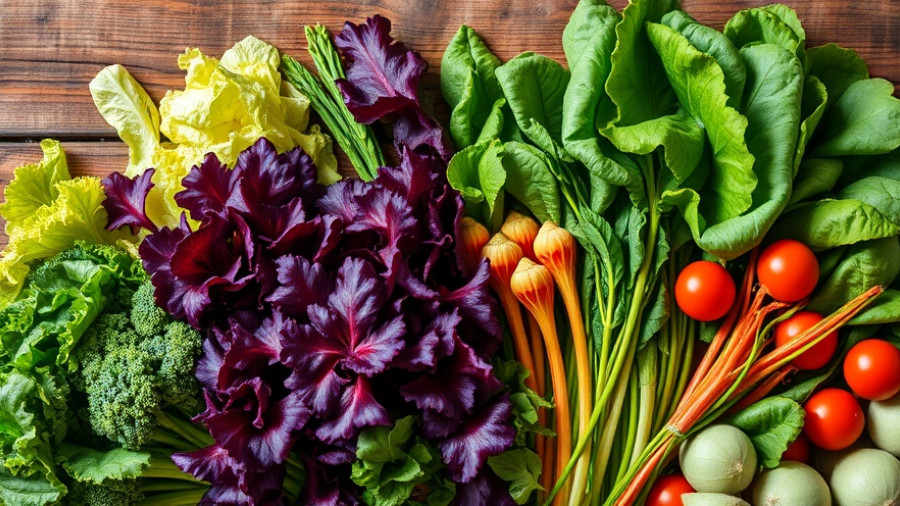
Colorful leafy greens for daily foods for better health.

Unlocking Optimal Health: Daily Foods That Make a Difference

Maintaining great health is a goal many strive for, yet what does daily nutrition really mean? It can seem overwhelming amidst the barrage of diet fads and nutrition tips bombarding us daily. However, understanding the foundational foods that promote well-being can simplify our choices and help shape a healthier lifestyle. Superfoods—a term often used in the nutrition landscape—are nutrient-rich foods that offer several health benefits. Here, we explore essential foods recommended by nutritionists and dietitians that are easy to incorporate into our daily diets.

The Power of Leafy Greens

Leafy greens such as spinach, kale, and Swiss chard are frequently touted as superfoods for good reason. Their high levels of anti-inflammatory properties and essential nutrients—including folate, iron, and various vitamins—play a critical role in enhancing overall health. Reports indicate that consuming these greens could lower the risk of chronic diseases, including heart issues and certain cancers. Adding these greens to smoothies, salads, or as side dishes is an enjoyable way to reap their health benefits.

Boost Your Diet with Berries

Berries like blueberries, strawberries, and raspberries are not only delicious but also packed with antioxidants, vitamins, and minerals. These tiny fruits have been shown to combat inflammation and reduce the risk of heart disease and diabetes. Including a handful of berries in your breakfast or snacking them throughout the day can keep you energized and enhance your nutritional profile.

The Benefits of Incorporating Fermented Foods

Fermented foods, such as yogurt, kefir, sauerkraut, and kimchi, are rich in probiotics—beneficial bacteria that support gut health. Research highlights the importance of a healthy gut as it aids digestion, boosts the immune system, and helps maintain mental wellness. Integrating these foods into your daily routine can provide numerous health benefits, including improved metabolic function and reduced inflammation.

Heart Health with Fatty Fish

Fatty fish, including salmon and mackerel, are excellent sources of omega-3 fatty acids, which are known to support heart health by reducing inflammation and promoting healthy cholesterol levels. The consumption of fatty fish could lower the risk of cardiovascular disease while providing ample protein and other essential nutrients. Aim for two to three servings of fish each week for optimal benefits.

Legumes: Small but Mighty

Legumes, such as lentils, chickpeas, and beans, are tremendously nutrient-dense foods that offer robust sources of protein, fiber, and essential vitamins. Their unique composition aids in weight management and promotes heart health. Incorporating legumes into salads, soups, and stews is a straightforward and versatile way to enhance the nutritional value of your meals.

Beyond Superfoods: A Balanced Diet for Good Health

While focusing on “superfoods” can be enticing, it's crucial to remember that a balanced diet incorporating various foods will yield the best health outcomes. Different food groups provide complementary health benefits, aiding in disease prevention and overall wellness. For example, nuts and seeds, rich in healthy fats and protein, are great for heart health and can easily be added to your breakfast or snack options.

The Importance of Persistence and Variety in Nutrition

It's about picking a few key foods and integrating them into your daily meals. The path to optimal health does not revolve around singular trends but rather a range of nutritious choices. Experimenting with new recipes and preparation methods can keep your dietary routine exciting and sustainable. Here are a few tips: create diverse meals with various food types, try meal prepping, or introduce a new superfood each week to keep it fresh.

Incorporating these essential foods into your daily diet can significantly impact your health. By focusing on leafy greens, berries, fatty fish, legumes, and fermented foods, you're laying the groundwork for a healthier lifestyle that can serve you well into the future.

To optimize your eating habits, consider trying some of these superfoods and keeping track of how they make you feel. Each positive choice adds up, contributing to long-term well-being!


Holistic Health

0 Comments

Write A Comment

*
*
Related Posts All Posts
02.22.2026

Is Your Vitamin A Supplement Hurting You? Understanding Toxicity Risks

Update Your Body and Vitamin A: A Complex Relationship Vitamin A, long celebrated for its role in promoting good vision, healthy skin, and robust immunity, is surrounded by misinformation, particularly regarding its supplementation. While many have heard that a diet rich in carrots can improve eyesight, what may be less well-known is the potential harm associated with synthetic vitamin A supplements. The Natural vs. Synthetic Divide Vitamin A exists in two primary forms: provitamin A (like beta-carotene, found in colorful fruits and vegetables) and preformed vitamin A (like retinol, typically found in animal products and supplements). Your body cleverly converts the carotenoids from plants into usable vitamin A as needed — a self-regulating process that thankfully protects us from toxicity. In contrast, synthetic supplements such as retinyl palmitate and retinyl acetate do not allow for this natural regulation, leading to potential accumulation and toxicity. Warnings Ignored: Understanding Vitamin A Toxicity Overconsumption of vitamin A, especially through supplements, can lead to a condition called hypervitaminosis A, which manifests in symptoms like hair loss, dry skin, fatigue, and in severe cases, liver damage and birth defects. The Mayo Clinic emphasizes that the risk of adverse effects primarily stems from excess intake derived from supplements rather than whole foods, presenting a crucial distinction. The Profit-Driven Health Care Loop The relationship between perceived deficiency and toxic accumulation is not merely biological; it reveals a troubling reality within the health and supplement industry. Many individuals experiencing symptoms like fatigue or dry skin may be misled to believe they are vitamin A deficient. This misinterpretation can drive an endless cycle of supplementation, creating profit without promoting true health. Understanding that these symptoms can instead signal toxicity is critical in breaking this pattern. Identifying Safe Sources of Vitamin A To maintain healthy vitamin A levels, focus on whole food sources that include: Carrots Sweet potatoes Spinach Kale Eggs (especially pasture-raised yolks) Liver (in moderation) These foods allow your body to decide how much vitamin A to absorb, protecting against toxicity while still providing essential nutrients. Expert Insights: Reevaluating Supplementation Healthcare professionals increasingly emphasize the importance of obtaining nutrients through food rather than supplements. As highlighted by experts from the Cleveland Clinic, while some individuals might indeed need supplements due to specific health conditions, most healthy adults should satisfy their vitamin A needs through a varied diet rich in fruits and vegetables. Regular nutrient assessments can be beneficial in identifying individual requirements before resorting to supplementation. What to Do if You're Taking Vitamin A Supplements? If you currently take vitamin A supplements, consider a conversation with your healthcare provider. Reevaluate your overall diet and nutrient intake, and ask about the necessity of any supplements you're consuming. Red flags include experiencing symptoms associated with vitamin A toxicity — if you suspect you might be affected, don't hesitate to seek medical advice to ensure your health stays paramount. The Path Forward: A Balanced Perspective Understanding the nuances of vitamin A's role in human health is vital. A balanced diet containing a variety of fruits and vegetables can effectively manage your nutritional needs without the risks posed by excess supplementation. By educating ourselves, we can make better-informed decisions about our health and wellness, driving towards not only a longer life but a more fulfilling one. Be proactive about your health. Reflect on your dietary choices, engage with health professionals about your nutritional intake, and shift the focus from supplementation to a dietary approach that emphasizes balance and well-being.

02.13.2026

The Great Hydration Myth: Do We Really Need 8 Glasses a Day?

Update Understanding the Hydration Rule: A Myth or a Must?The belief that we should drink eight 8-ounce glasses of water a day is one of the most pervasive health recommendations. Despite its widespread acceptance, modern research challenges the accuracy of this advice, suggesting that it may be more myth than science. In this exploration of hydration, we dissect the origins of the "8 glasses a day rule" and dive into credible insights to determine the best approach to staying adequately hydrated.The Origins of the Eight Glasses RuleThe popular guideline of drinking eight glasses of water daily dates back to the 1945 Food and Nutrition Board's recommendation, which stated an adequate water intake for adults is 2.5 liters per day. However, this figure was misinterpreted over time. The original guidance emphasized that most of this fluid is derived from foods, not just water, leading to a significant misconception that simply emphasizes drinking plain water without considering other hydration sources.Listening to Your Body: Trusting Thirst Over the RuleResearch underscores the importance of listening to our bodies when it comes to hydration. Many experts agree that thirst can adequately guide our water intake, negating the need for rigid guidelines like the “8 glasses” rule. A significant part of hydration comes from foods, especially fruits and vegetables, which can be surprising sources of needed hydration. For instance, watermelon contains about 91% water, while foods like eggs are also significantly hydrating. Thus, a balanced diet could help maintain hydration levels without the pressure of drinking excessive plain water.The Risks of OverhydrationWhile staying hydrated is important, it's equally crucial to recognize the dangers of overconsumption of water. Drinking an excessive amount can lead to a condition known as hyponatremia, where sodium levels in the blood drop to dangerously low levels, resulting in headaches, nausea, and even more severe health issues. This highlights the critical need for individualized hydration strategies rather than following generalized rules.Current Perspectives on HydrationAs the hydration conversation evolves, experts agree that individual needs vary based on factors such as body size, activity level, and environmental conditions. Pregnant women, athletes, and those in hot climates may require additional fluid. The takeaway is clear: while some people may need more fluid, others may not need to stress over hitting a specific number.Practical Tips for Staying Hydrated1. **Follow Your Thirst**: Pay attention to how much water you need. Drink when thirsty, and scale back when you're not.2. **Include Hydrating Foods**: Incorporate water-rich fruits and vegetables into your meals to boost fluid intake.3. **Monitor Urine Color**: Aim for a pale yellow color for urine, indicating adequate hydration. It does not need to be crystal clear.4. **Consider Individual Factors**: Adjust your intake based on activity level, weather, and personal health considerations.Conclusion: Find Your BalanceIn conclusion, the universal advice to drink eight glasses of water may not apply to everyone and is an oversimplification of the intricacies of human hydration needs. By listening to our bodies and being mindful of both our food and beverage choices, we can establish a balanced approach to hydration that suits our individual health needs. Let's embrace a flexible perspective on water intake and prioritize nourishment through diverse means.

02.06.2026

Selling Gold: The Real Challenges and Insights After 20 Years

Update Understanding the Unexpected Challenges of Selling Gold For nearly two decades, I trusted gold as a safety net during unstable financial times. Like many Americans, my decision stemmed from a deep concern over monetary policy and a desire to safeguard my family's future. However, my recent experience in selling my gold revealed not just operational complexities, but a deeper layer of misunderstandings that many potential sellers overlook. The Gap Between Expectation and Reality Many people imagine that selling gold is as simple as walking into a dealer, handing over their coins, and receiving a substantial cash payout. Unfortunately, this scenario is misleading. When I pursued the sale last year, under conditions of relative economic stability, the challenges began to unveil themselves. My journey in finding a buyer was anything but straightforward. I contacted multiple dealers only to be met with disappointing responses. The reality is that gold dealers are often banks of their own sustainability, operating under specific requirements that can be difficult for sellers to navigate. Whether it’s a lack of cash available to transact or an overwhelming inventory discouraging new purchases, buyers are not as plentiful as one might assume. The current economy, which has seen many individuals looking to cash out their holdings, further complicates the landscape. In fact, my discussions revealed that many dealers prefer to sell rather than buy. The 'Hidden Exit Tax': Understanding the Bid-Ask Spread One of the most daunting realizations I encountered was regarding the bid-ask spread, commonly referred to as a 'hidden exit tax.' When purchasing gold, you often pay a retail price higher than the wholesale price you would receive when selling. This discrepancy can be as high as 20%, meaning a significant value loss right from the start. For example, if you invest $10,000 into gold and later find yourself in urgent need of cash, the dealer may only offer you $8,500 due to this spread. Buyers must confront the reality that they start at a financial disadvantage even before sales conversations begin. Unveiling the Safety Costs: More Than Just Financial As I approached the dealer’s shop with my gathered metals, I felt a mix of anxiety and unease. It felt reminiscent of a scenario from a spy movie—not the glamorous kind, but rather one fraught with risk. The precautions suggested by my husband to avoid walking around back—the stereotypical ‘bad’ area—highlights a fear not only of potential robbery but of navigating a transaction where I had to remain vigilant. The emotional strain of selling gold isn't just about the money; it branches into aspects of psychological unease. Owners must reflect on how best to ensure their safety during these transactions, particularly when engaging in face-to-face meetings with strangers over valuables. Lessons Learned: The True Nature of Ownership This entire experience has taught me that ownership of an asset and the ability to liquidate it are vastly different. Years of saving and holding onto gold, filled with hope and anticipation for future stability, can wash away in minutes once you're presented with the stark truths of the market. It’s essential for gold owners to understand not just the financial implications but the emotional elements intertwined with ownership and eventual sale. What Lies Ahead: Considerations for Future Gold Owners Looking to the future, potential investors in gold must take these lessons to heart. It's essential to conduct thorough research before making purchases, understanding both the benefits and the barriers that will arise should they feel the urge—or have an urgent need—to sell. Seek reputable dealers, explanations on pricing structures, and strategies to minimize losses during a transaction. Furthermore, weighing the merits of gold against more modern options like cryptocurrency may help diversify investments and potentially reduce risks associated with selling physical assets. Conclusion: Be Prepared Before delving into the gold investment path, reflect on the broader implications of owning such an asset. Familiarize yourself with the market dynamics and prepare for extensive inquiry before making sales. As I discovered, knowledge is not just power; it’s a crucial component of any financial strategy. Are you considering investing in gold or liquidating your assets? Equip yourself with knowledge and connect with trusted sources who can guide you through secure investments.

Terms of Service

Privacy Policy

Core Modal Title

Sorry, no results found

You Might Find These Articles Interesting

T
Please Check Your Email
We Will Be Following Up Shortly
*
*
*